
Every cycle has a question everyone on our investment committee asks in some form: are we early, or are we wrong? Right now, when it comes to vertical construction starts, we think we’re early, and the way we’re expressing that view is by buying land and entitlements faster than we’re pouring foundations.
That’s not a market call dressed up as a strategy. It’s arithmetic. Across most of the metros we underwrite, construction costs are still elevated relative to achievable rents, and the spread between a stabilized cap rate and our cost of construction debt is thinner than it needs to be to clear our return hurdles on a levered basis. Building today, in most of those markets, means accepting a return profile we wouldn’t accept in writing from a partner.
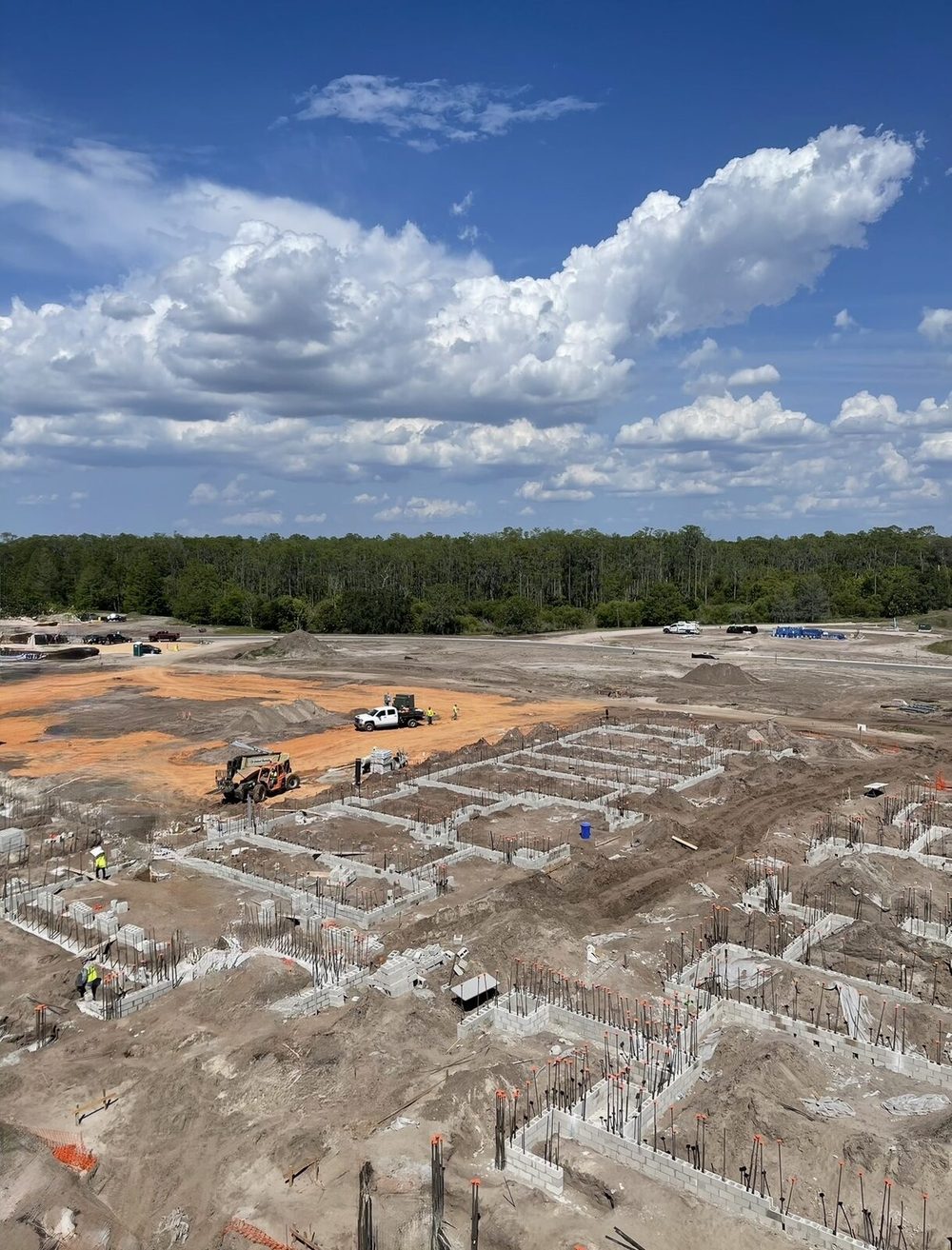
Land is a different asset entirely. Land doesn’t carry a construction loan. It doesn’t have a general contractor on payroll, a crew standing around waiting on permits, or a lender marking your draws against a schedule you’re behind on. It just sits there, patiently, appreciating or not, until the moment the underwriting works, and then you break ground with a basis nobody chasing the same deal today can match.
What we’re actually buying
We’re not buying speculative raw land on the theory that a highway interchange might show up in fifteen years. We’re buying entitled or entitlement-ready parcels in markets where we already have operating platforms, Northeast and Florida workforce housing through DK Homes, adaptive reuse in Jacksonville with Oldivai, direct development through DanReDev and Lonestar, because we can underwrite the exit with real comparable data, not a pro forma built on hope.
LandBriefing, the national land-opportunity watchlist we launched this month through Kaufman Real Estate & Consulting, exists because this is now a full-time discipline for us, not an opportunistic side activity. We’re tracking parcels the way a public equities desk tracks a watchlist: entry price, basis relative to comparable improved sales, entitlement status, and a trigger price at which we’d move to vertical.
The advantage compounds. Every parcel we control today at pre-construction-cost-inflation basis is a parcel our competitors will be bidding against us for in twenty-four months, at a price that reflects whatever construction costs have done between now and then. We’d rather own the option than pay for it later.
What flips this back
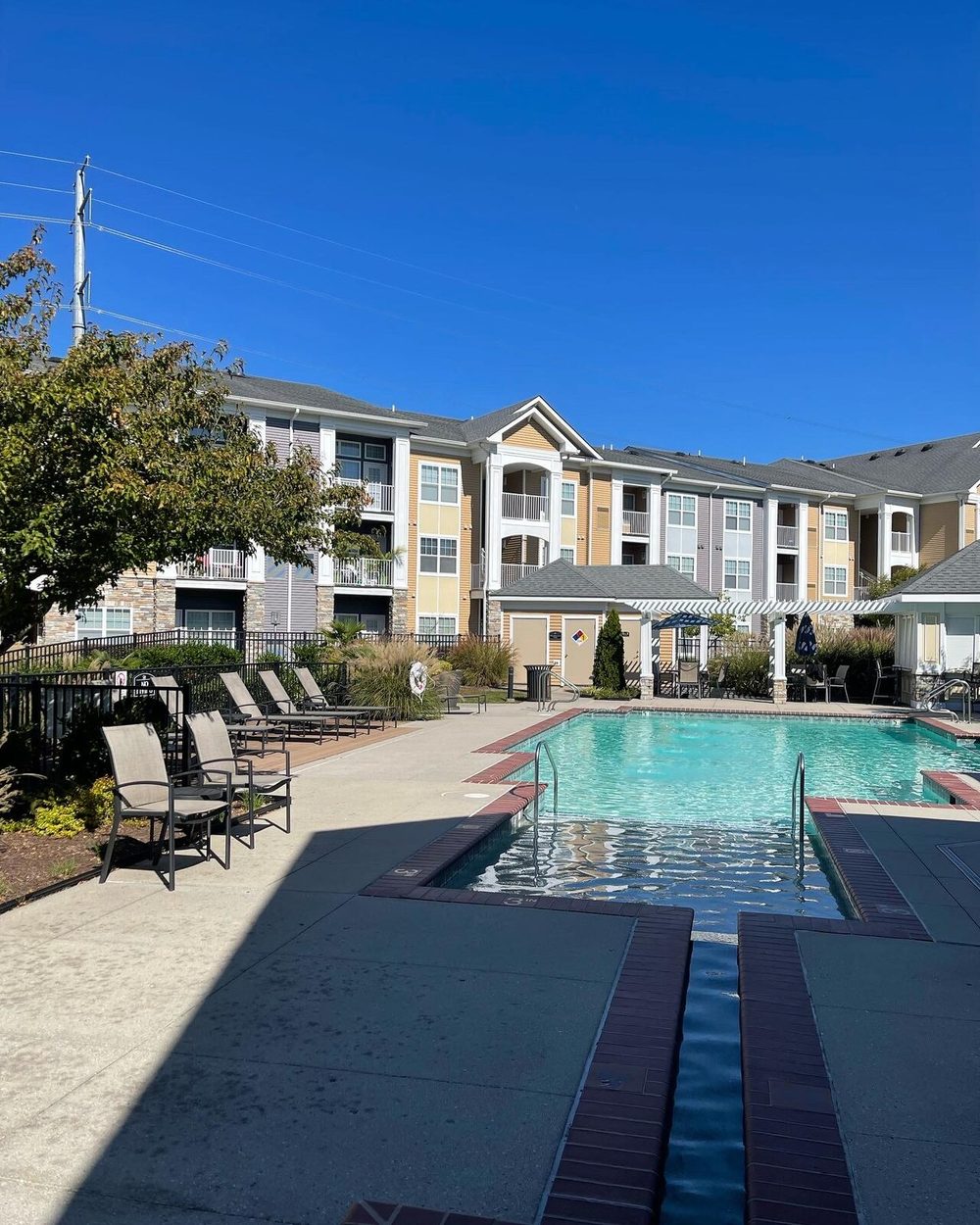
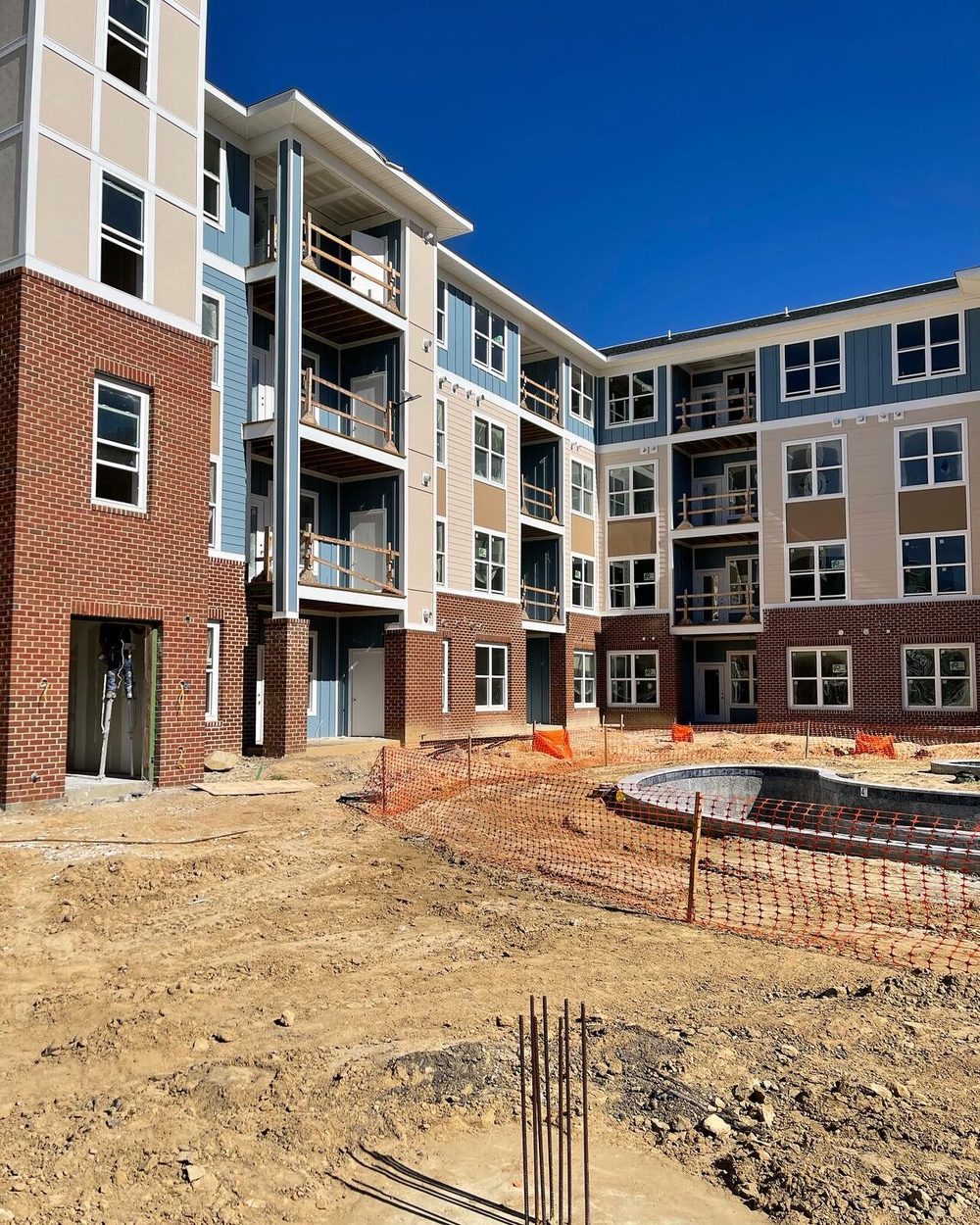
We’re not permanently land-heavy by philosophy. Three things move us back toward vertical starts at scale: a meaningful pullback in construction and labor costs, a compression in our cost of construction debt, or rent growth in a specific submarket that outruns both. We’re seeing the third condition locally in a handful of workforce-housing corridors right now, which is exactly why DK Homes is breaking ground on six active communities across the Northeast and Florida even while the broader platform holds more land than it builds.
This isn’t a market timing call in the sense of trying to predict a bottom. It’s a discipline: hold basis where the entry price is right, deploy vertical capital where the spread already clears, and don’t let a construction pipeline that needs to stay full become the reason a bad deal gets approved. Land is boring. Boring is underrated in this part of the cycle.