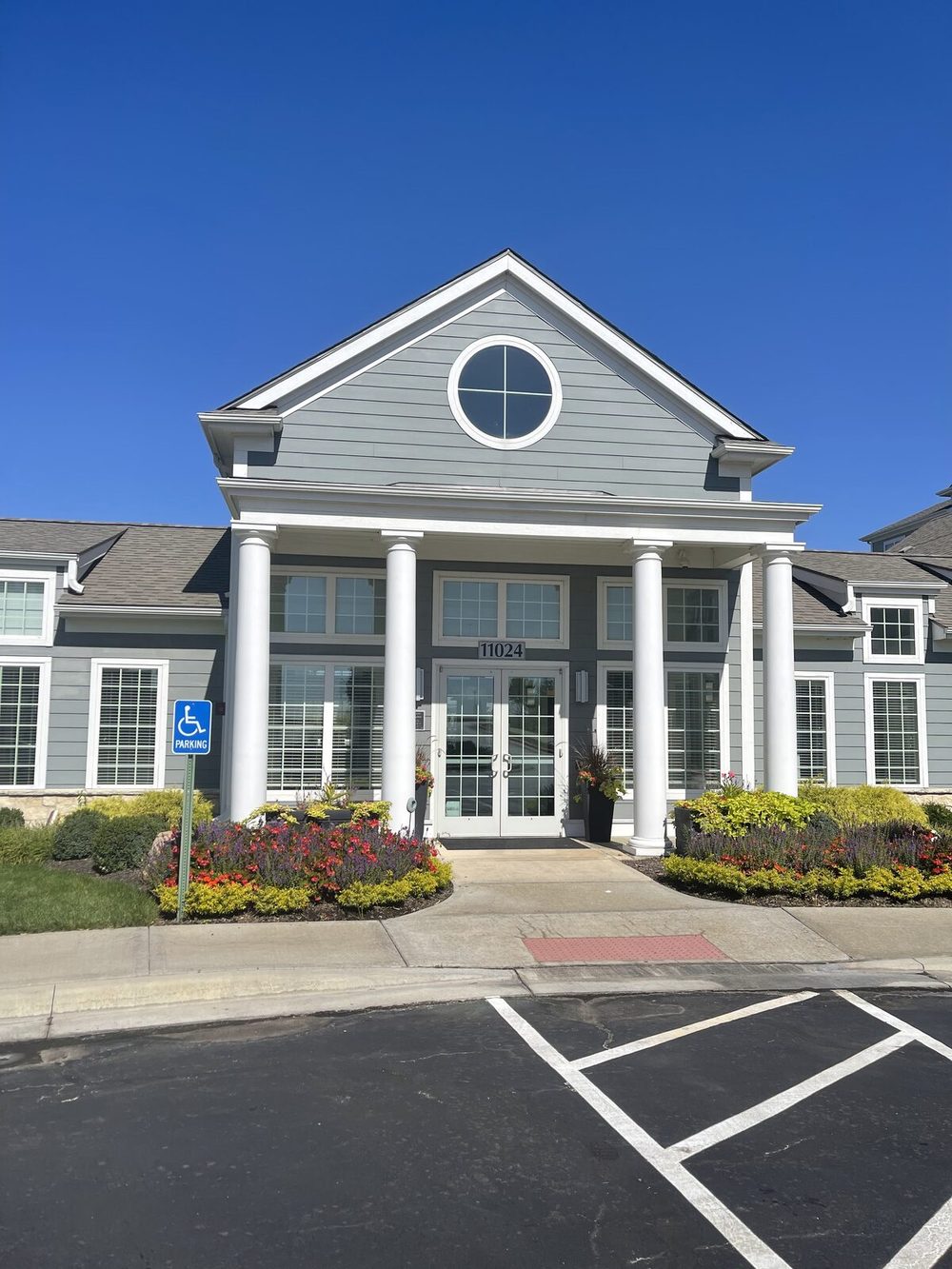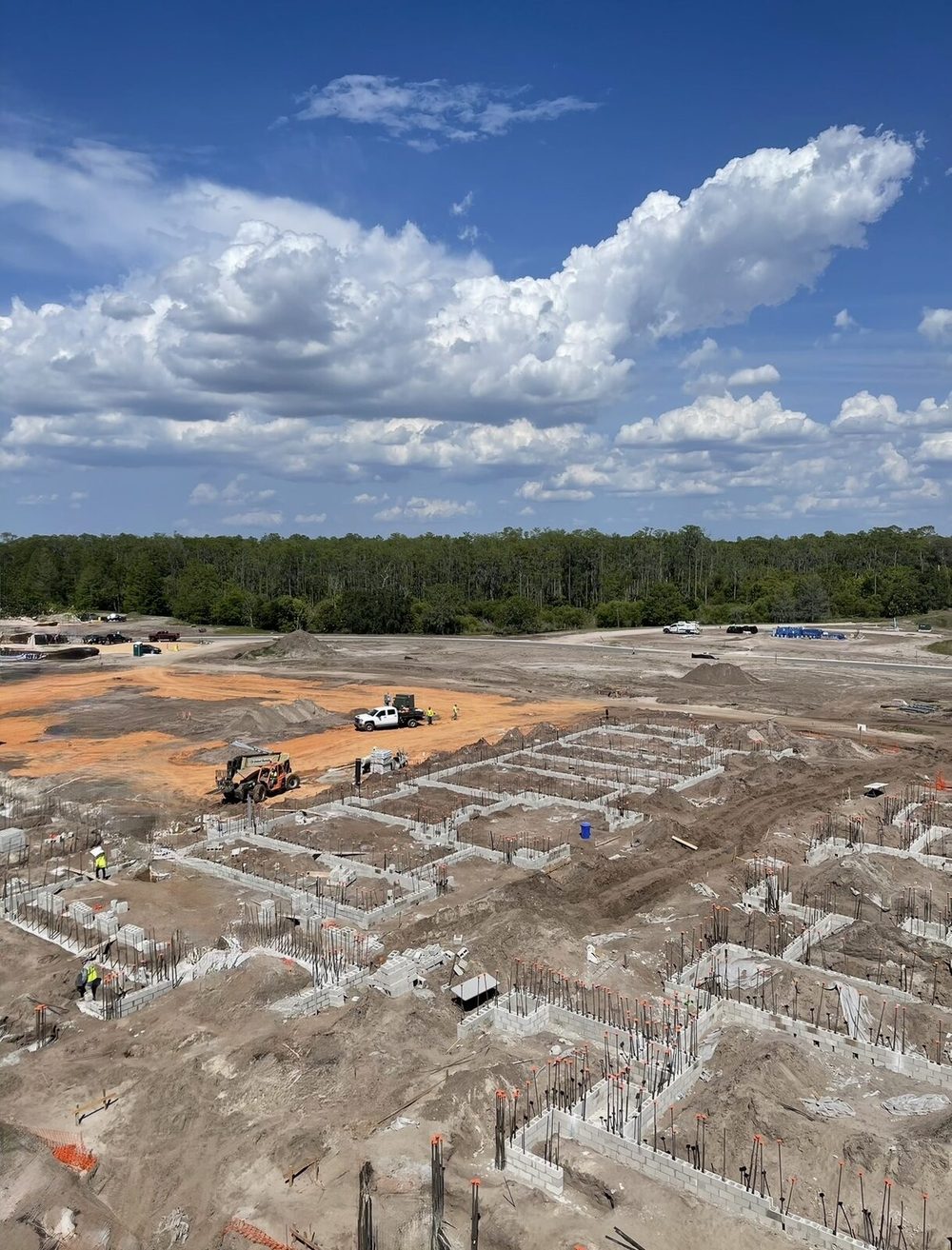


Ground leases used to be a structure you saw mostly in a handful of specific contexts: institutional landowners like universities and religious organizations that don’t sell land as a matter of policy, or big-box retail pads. Over the past two years, we’ve seen ground leases show up in deal structures across our platform where five years ago a straightforward fee-simple acquisition would have been the obvious path. That shift isn’t a fad. It’s a rational response to where cost of capital sits right now.
Why the structure works today
A ground lease splits a deal into two separate capital stacks with two very different risk-return profiles: the land, typically held by a long-duration, lower-return capital source comfortable with a ground rent yield; and the improvements, financed and developed with capital seeking the higher, shorter-duration return of the building itself. In an environment where construction and improvement-level capital is expensive and land is comparatively cheap to hold, separating the two lets each piece of capital price its own risk rather than blending both into a single, more expensive fee-simple capital stack.
For a sponsor, the practical effect is lower total capital required to control a site and start development, at the cost of a ground rent obligation and, eventually, a reversion the sponsor needs to plan for well before it happens. For a landowner willing to hold ground rent risk, it’s a way to monetize land without giving up long-term ownership or taking on development risk directly.
Where sponsors get this wrong
The mistake I see most often is sponsors treating a ground lease as simply cheaper financing, without pricing the structural risk correctly. A ground lease is a long-term legal relationship with a counterparty whose interests diverge from yours at exactly the moments that matter most, renewal negotiations, reversion timing, and any scenario where the improvements need to be refinanced or sold mid-term, which requires the ground lessor’s cooperation in ways a fee-simple sale never would.
A ground lease doesn’t eliminate risk. It reallocates it, deliberately, to the party best positioned to hold it.
Every ground lease we negotiate gets the same scrutiny on three provisions specifically: the rent reset mechanism (fixed escalation versus market reset creates very different long-term economics), leasehold mortgagee protections that preserve our lender’s position if something goes wrong with the ground lessor, and purchase option terms that give us a defined path to fee-simple ownership if the economics ever favor converting.
Done carefully, a ground lease is a legitimate and often superior capital structure in this rate environment, not a compromise. Done carelessly, it’s a long-term liability with a counterparty who has every incentive to extract value from you at renewal. The difference is almost entirely in the drafting, which is exactly why this is a legal underwriting question as much as a financial one.