
There’s a piece of conventional portfolio wisdom that gets imported into real estate almost unchallenged: more positions equals less risk. It’s true for a basket of liquid public equities with independent, largely uncorrelated return drivers. It is not obviously true for a portfolio of illiquid, operationally intensive, locally-driven real assets, and treating it as if it were is how sponsors end up thin on every deal and expert on none of them.
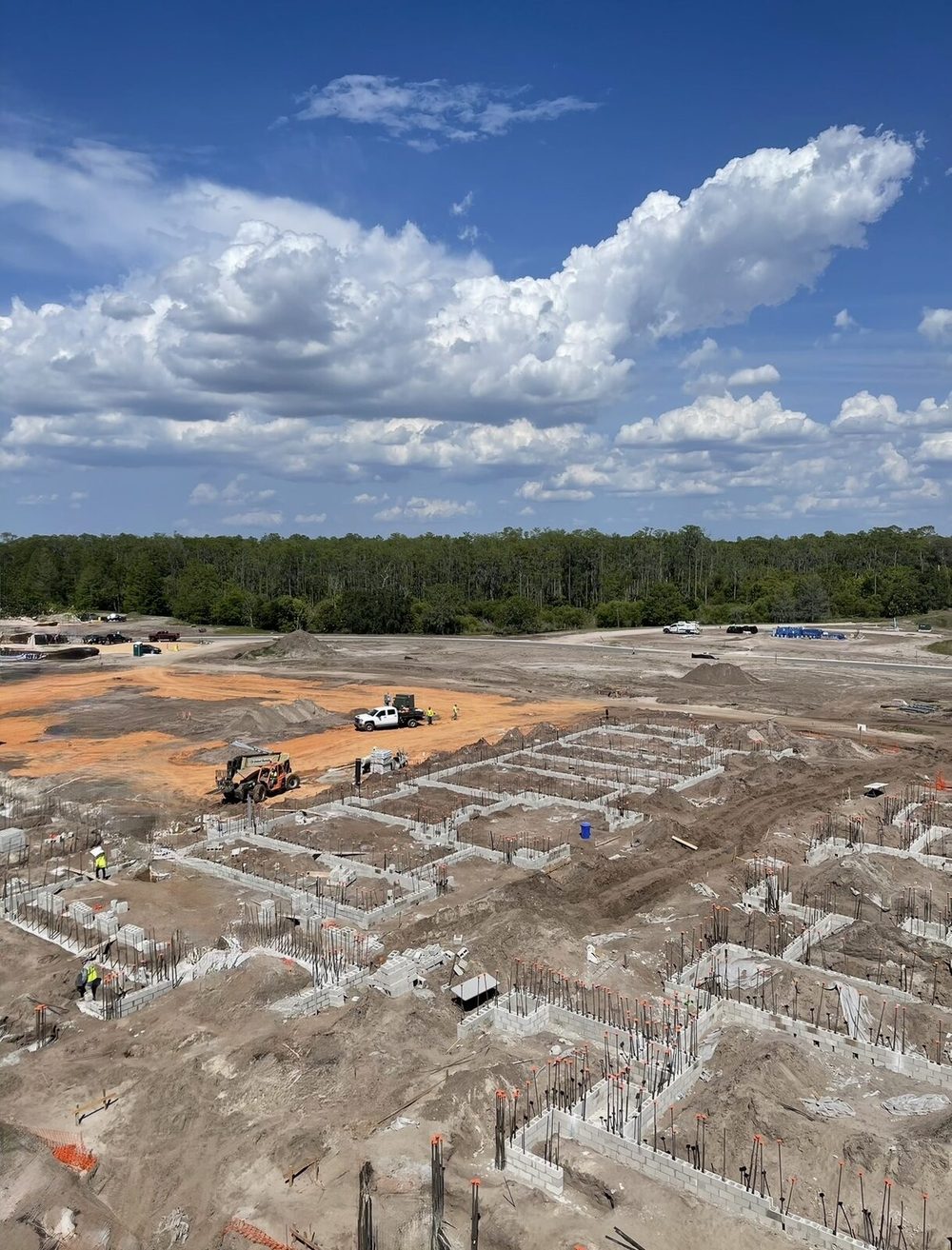
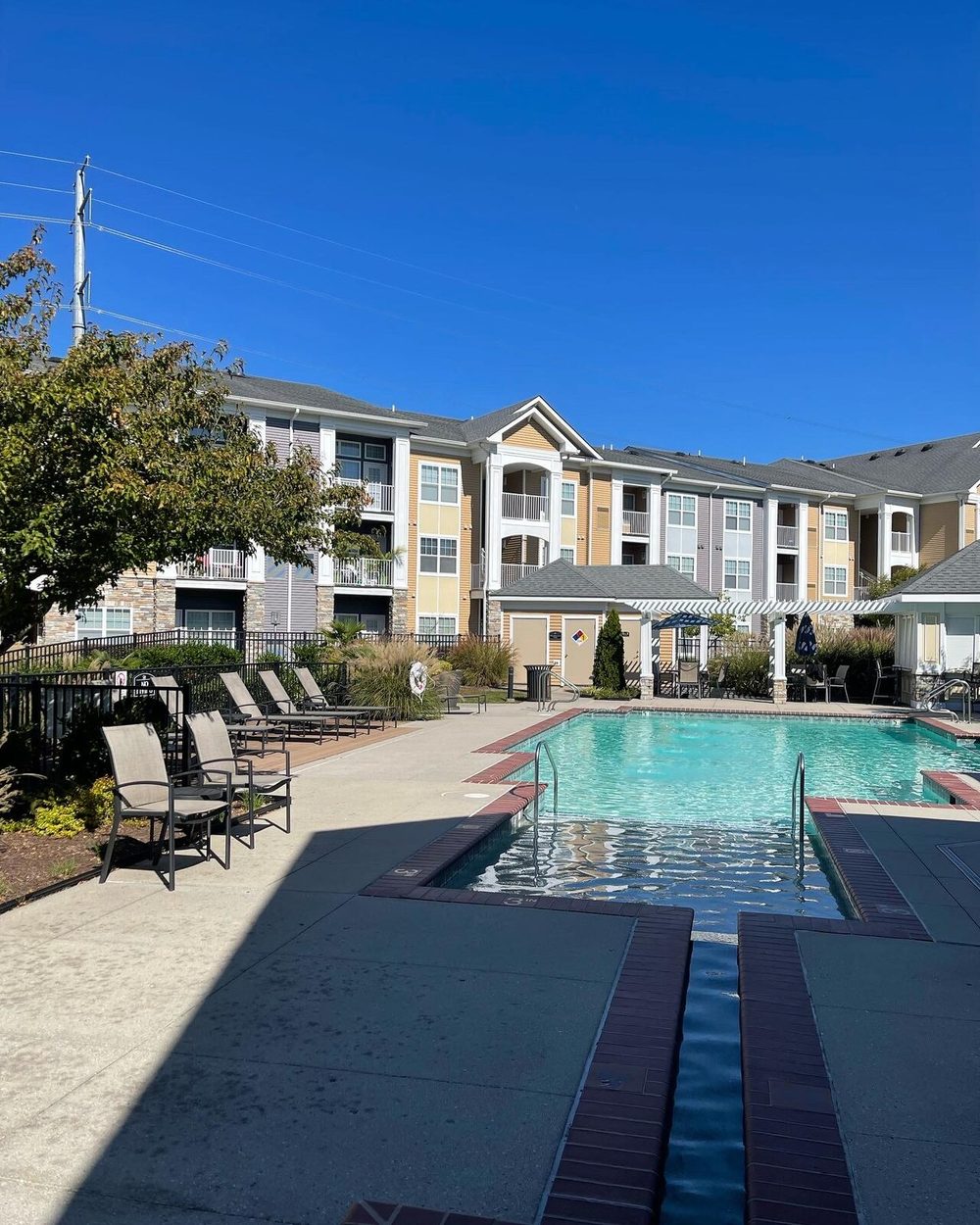
At Kaufman & Company we run a concentrated platform on purpose. Ten operating companies, yes, but within each of them, a small number of larger, more deeply underwritten positions rather than a long tail of smaller ones spread across markets we’re still learning. We’d rather own six DK Homes communities across the Northeast and Florida corridor we know cold than forty scattered across markets where our read on entitlement risk, labor availability, and absorption is secondhand.
What diversification actually buys you
Diversification reduces idiosyncratic risk, the risk that one specific asset underperforms for reasons unrelated to the broader portfolio. It does nothing for systematic risk, and in real estate, a huge share of what looks like idiosyncratic risk at the deal level is actually operator risk in disguise. A sponsor spread across too many markets doesn’t eliminate that risk by adding positions; they just distribute their own thin attention across more places where it matters.
We underwrite every deal assuming we will personally be involved in solving its hardest problem. That’s a real constraint on how many deals we can run at once, and it’s the actual reason we stay concentrated: not because we’re contrarian about portfolio theory, but because the constraint is operational capacity, and pretending otherwise doesn’t make the capacity appear.
Diversification across forty things you understand shallowly isn’t safer than concentration in six things you understand completely. It just feels safer, right up until the year it doesn’t.
Where this breaks down
Concentration is not a virtue in itself, and we’re explicit with our capital partners about where it becomes a liability: single-market concentration during a regulatory shock, single-asset-class concentration during a demand shift, or concentration built on a sponsor’s ego rather than genuine operating edge. The distinction we watch for is whether concentration is a byproduct of depth or a substitute for it.
Our platform’s answer has been to concentrate within operating companies while diversifying across them, workforce housing, adaptive reuse, data-center infrastructure, hospitality, land. Each vertical is deep; the platform as a whole is broad. That’s a different shape than either pure concentration or pure diversification, and it’s the one we’ve found actually reduces risk rather than just reallocating it to places we can’t see as clearly.