Modular construction gets sold on speed, and the pitch is directionally right: building components in a controlled factory environment in parallel with site work should compress a schedule meaningfully versus stick-built construction done sequentially on site. What the pitch usually leaves out is that the speed advantage is entirely conditional on eliminating variance at every handoff between factory and site, and most operators, in my experience, treat modular as a product decision rather than a process discipline, which is exactly backwards.
Where the discipline actually comes from
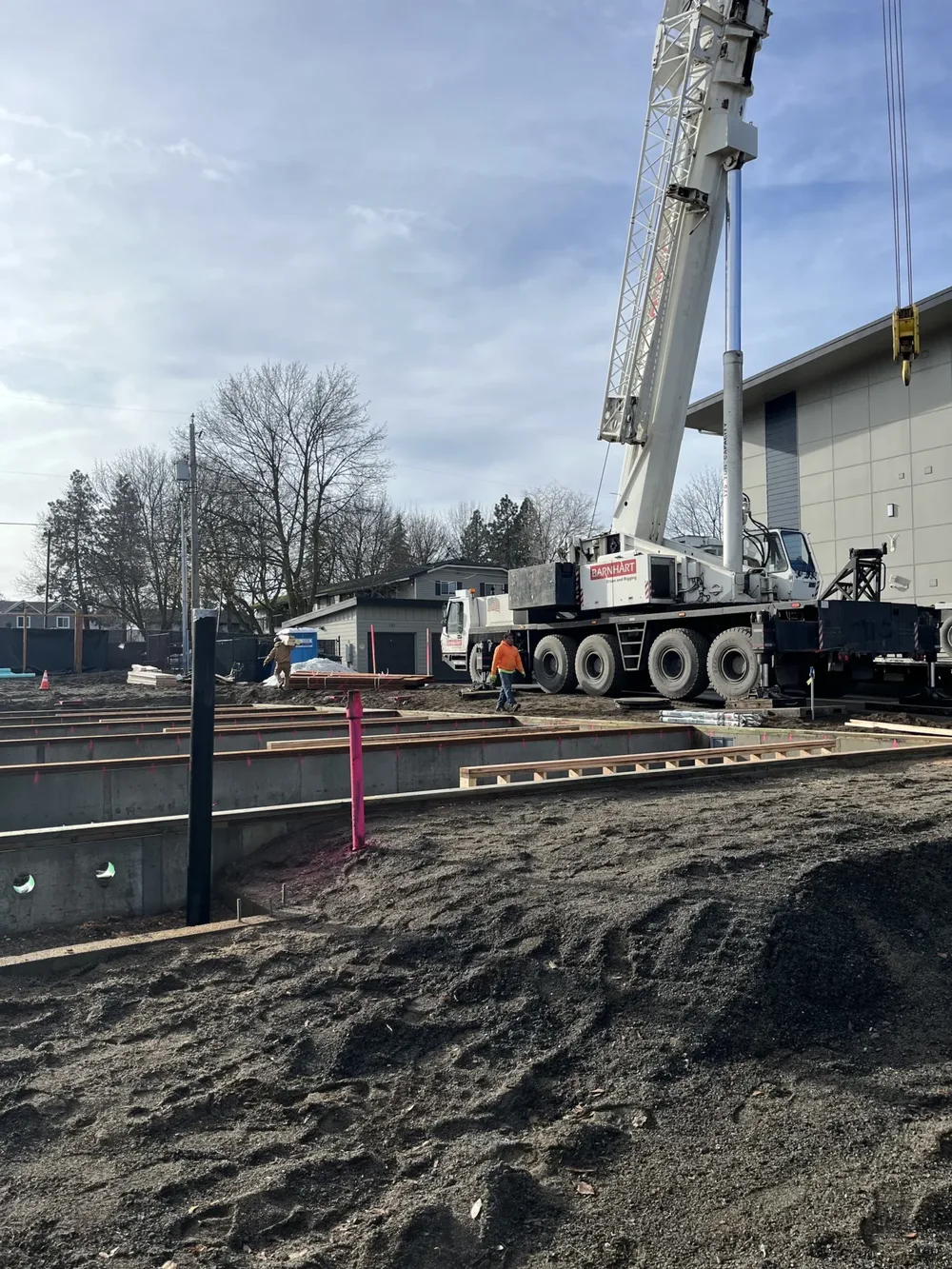
Lean Six Sigma, at its core, is a methodology for finding and removing variance from a process, and a modular construction timeline is, mechanically, a process with dozens of sequential and parallel handoffs: design freeze to factory production, factory production to logistics and delivery scheduling, delivery to crane and set, set to on-site trade completion, on-site completion to final inspection and certificate of occupancy. Every one of those handoffs is a place where variance can enter, and in a stick-built project, you have enough schedule slack baked in that a single bad handoff often doesn’t sink the timeline. In a modular project, sold on compression, that slack has usually been squeezed out, which means a single mishandled handoff can erase the entire speed advantage the whole strategy was built on.
A modular schedule doesn’t fail on the factory floor. It fails at the seams, the handoffs nobody owns end to end.
Where we’ve applied this at Oldivai
The specific tool that’s mattered most is a design freeze discipline borrowed directly from manufacturing change-order control: once a unit design enters factory production, changes require the same level of sign-off a manufacturing floor would require for a mid-run spec change, not the informal “can we just tweak this” process that’s normal on a stick-built job site. It feels bureaucratic the first time a project team pushes back on it. It’s the single biggest lever we’ve found for actually hitting a modular delivery date, because late design changes are the most common cause of factory rework, which cascades into delivery delays, which cascades into crane and site-crew scheduling conflicts that are expensive and hard to re-book on short notice.
The second tool is a single accountable owner for every handoff, rather than the more common practice of the general contractor owning site work and the modular manufacturer owning factory production as two loosely coordinated workstreams. We require one integrated schedule with one party accountable for the handoff itself, not just the work on either side of it, because handoffs are exactly where responsibility diffuses and delay hides.
None of this is exotic. It’s standard process-improvement discipline applied to an industry that has historically treated schedule variance as an unavoidable cost of doing business rather than a defect to be engineered out. Modular construction only delivers on its promise when you treat it that way.