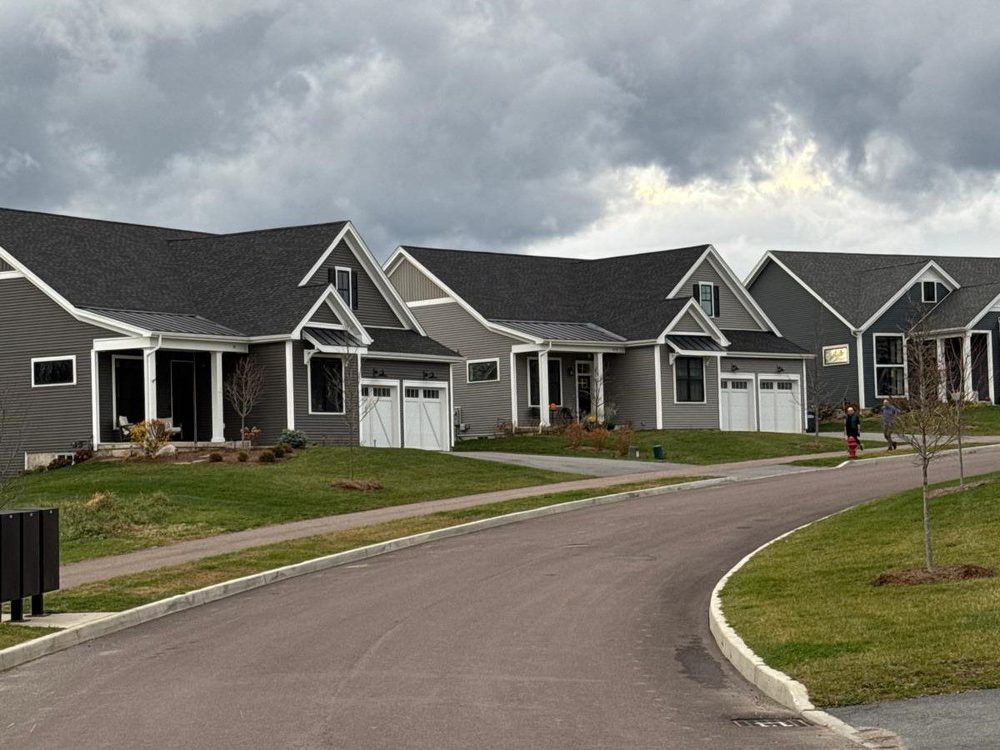
“Missing middle housing” entered the mainstream real estate vocabulary as a term for a physical typology, duplexes, triplexes, small multiplexes, courtyard apartments, the housing forms that used to exist between single-family detached homes and large apartment buildings before mid-century zoning effectively outlawed them in most American cities. That’s a useful and accurate description of a supply problem. It has also, in practice, let a lot of the industry off the hook for the actual demand problem underneath it, which isn’t about building shape at all. It’s about an income band.
The gap the industry keeps missing
The households we underwrite for at Oldivai typically earn somewhere between 60% and 120% of area median income, nurses, teachers, skilled trades workers, two-income households in service and logistics roles. That band is almost perfectly bracketed out of the housing conversation on both sides. Traditional affordable housing programs, LIHTC chief among them, are means-tested for households well below that range, often 50-60% AMI or lower. Market-rate new construction, meanwhile, is underwritten to rents that require an income well above it, because construction costs haven’t come down even where zoning has loosened.
You can build every duplex and courtyard apartment the missing-middle-as-typology advocates want, and if the rents on those units are underwritten to the same construction cost basis as a mid-rise apartment building, you’ve solved a zoning problem without touching the affordability problem. Typology reform is necessary. It is not sufficient.
Ask ten developers to define ‘missing middle’ and you’ll get ten answers about building typology. Almost none of them will mention an income statement.
What actually closes the gap
At Oldivai, closing the income-band gap has meant treating construction cost as the primary lever, not rent as the primary lever. Modular and panelized construction, which Susan has written about from the operations side, is part of that. So is targeting adaptive-reuse and underutilized sites, like our Springfield Historic District project in Jacksonville with Kaufman Real Estate & Consulting, where the acquisition basis is low enough that achievable rents for a 60-120% AMI household actually clear a return, without a subsidy layer that most workforce households don’t qualify for and most private capital won’t underwrite to alone.
The typology conversation matters, and I don’t want to undersell the real damage exclusionary zoning has done. But if the industry keeps treating “missing middle” as a building-shape problem, we’ll keep producing duplexes priced for households that were never actually missing anything, while the income band that gave the term its name stays exactly as squeezed as it’s been for a decade.