

Original Analysis From People Who Close Deals
Kaufman & Company leadership and industry partners write on the deals, capital structures, and operating decisions behind the headlines, plus founder essays from Daniel Kaufman.
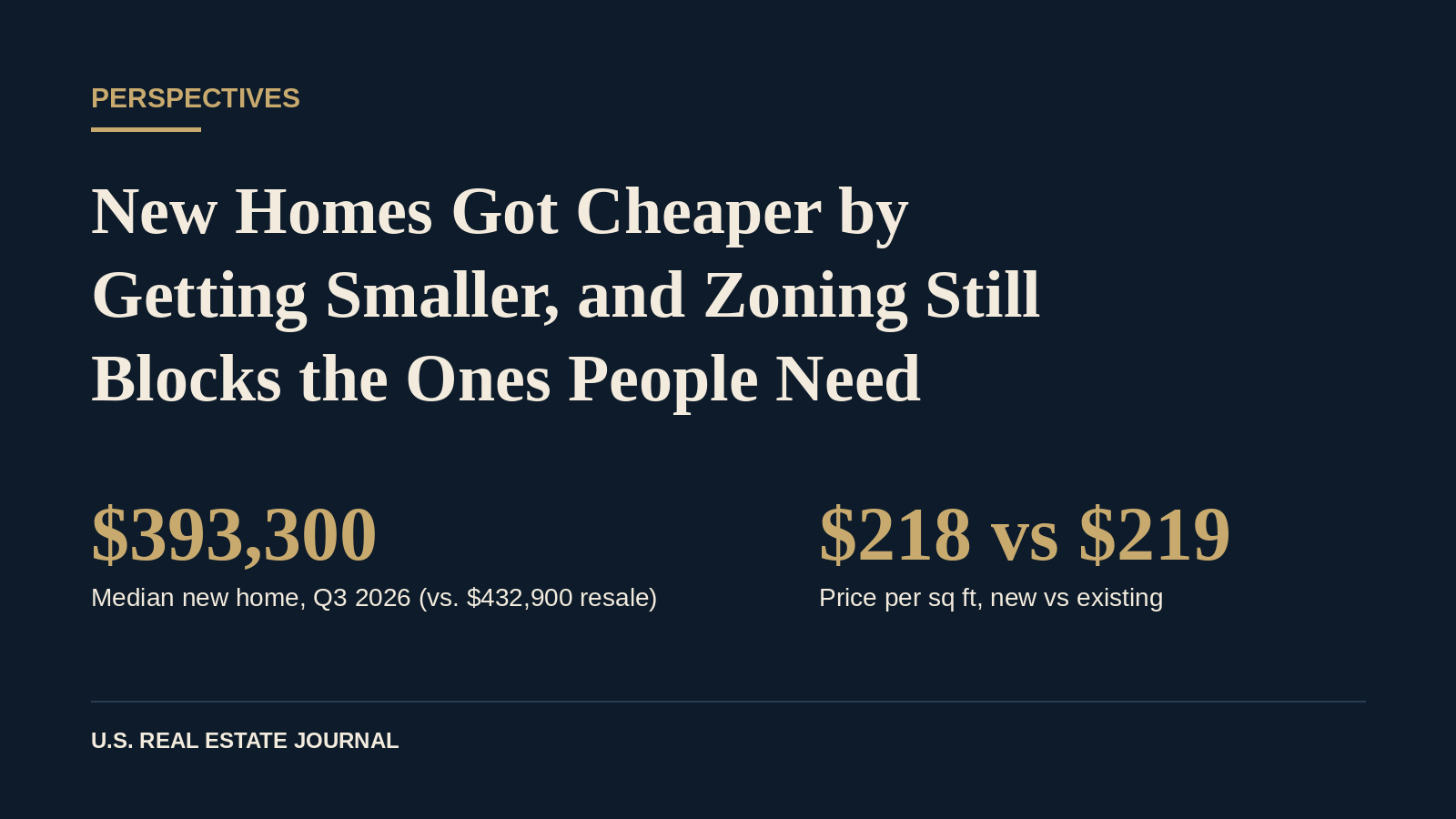
New Homes Got Cheaper by Getting Smaller, and Zoning Still Blocks the Ones People Need
New construction now costs nearly $40,000 less than resale at the median, but at $218 a square foot against $219 the discount is size, not price, and land rules still decide where smaller homes can go.
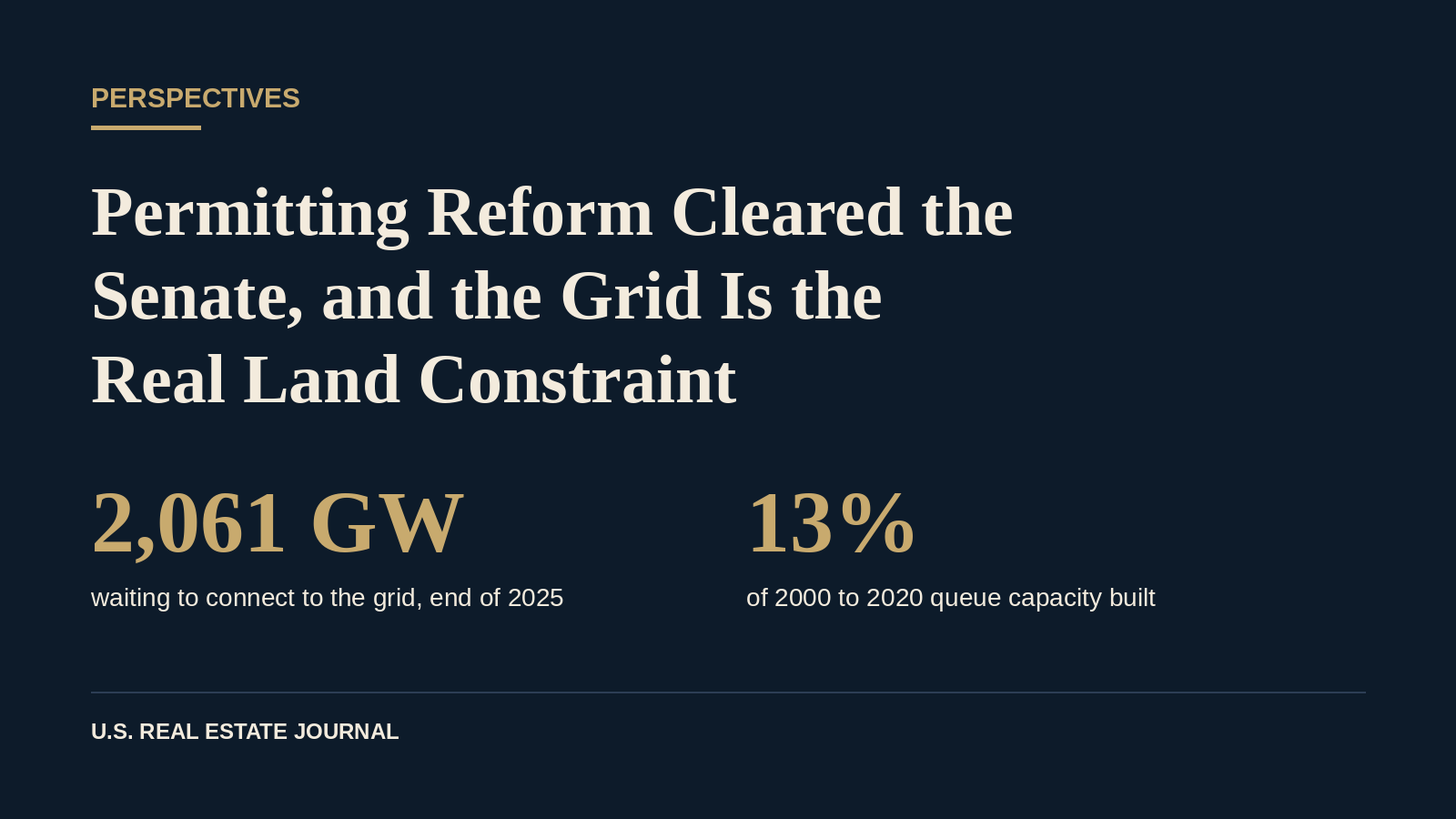
Permitting Reform Cleared the Senate, and the Grid Is the Real Land Constraint
The Senate's BAAJA permitting bill is mostly about energy, but for anyone who builds, its real payoff runs through power lines and the land they make usable.
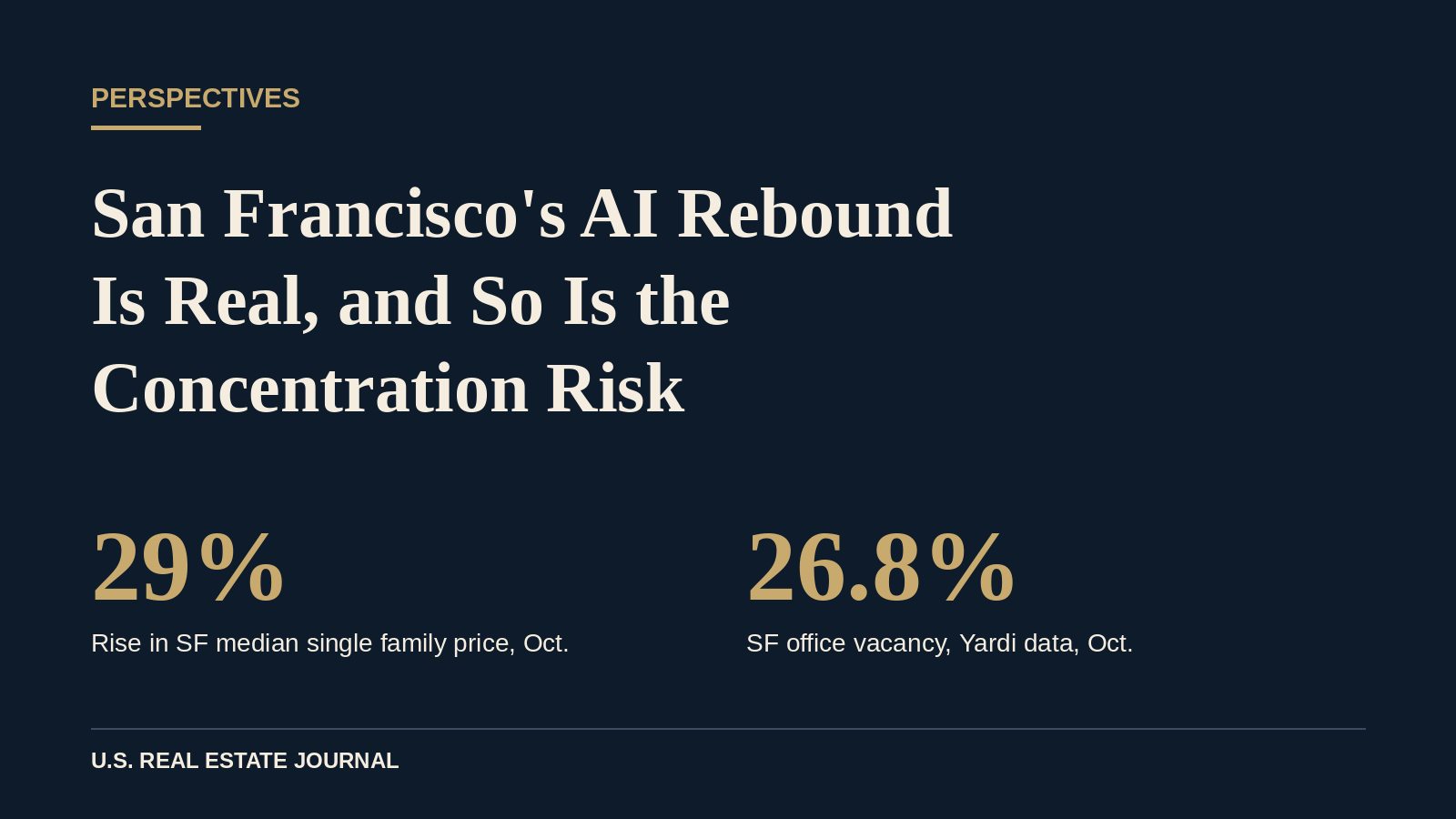
San Francisco's AI Rebound Is Real, and So Is the Concentration Risk
AI tenants pulled San Francisco office vacancy off its highs and home prices jumped 29% in a year, but a recovery built on a few companies leaves housing, workers and lenders exposed to one bet.
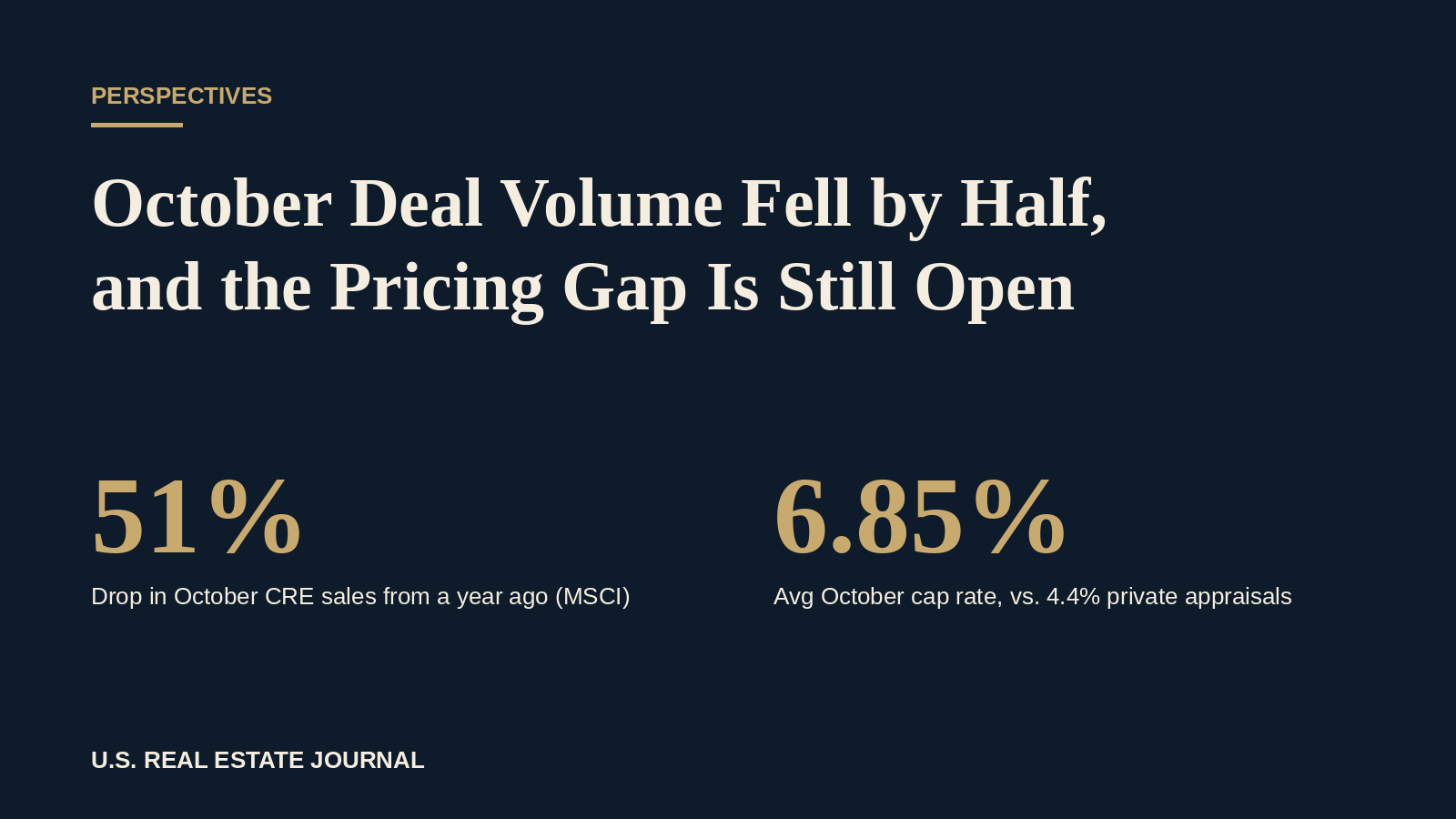
October Deal Volume Fell by Half, and the Pricing Gap Is Still Open
Commercial property sales dropped 51% in October as the 10-year Treasury held above 5%, and the real story is how far private marks still sit from where buyers will pay.
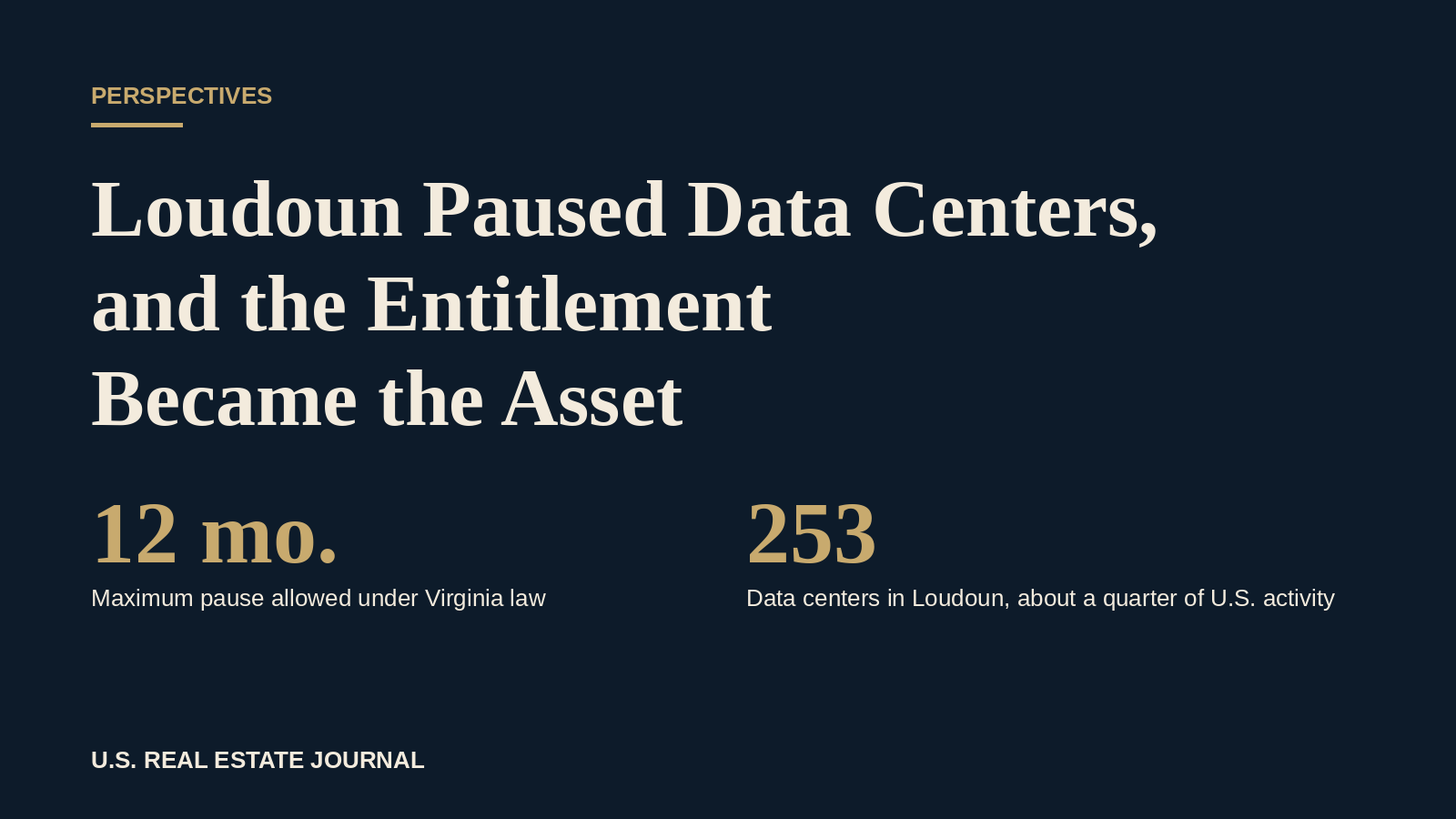
Loudoun Paused Data Centers, and the Entitlement Became the Asset
The world's largest data center market froze new approvals for up to a year, and the lesson for every growth market is that the approved site, not the building, is what holds value.
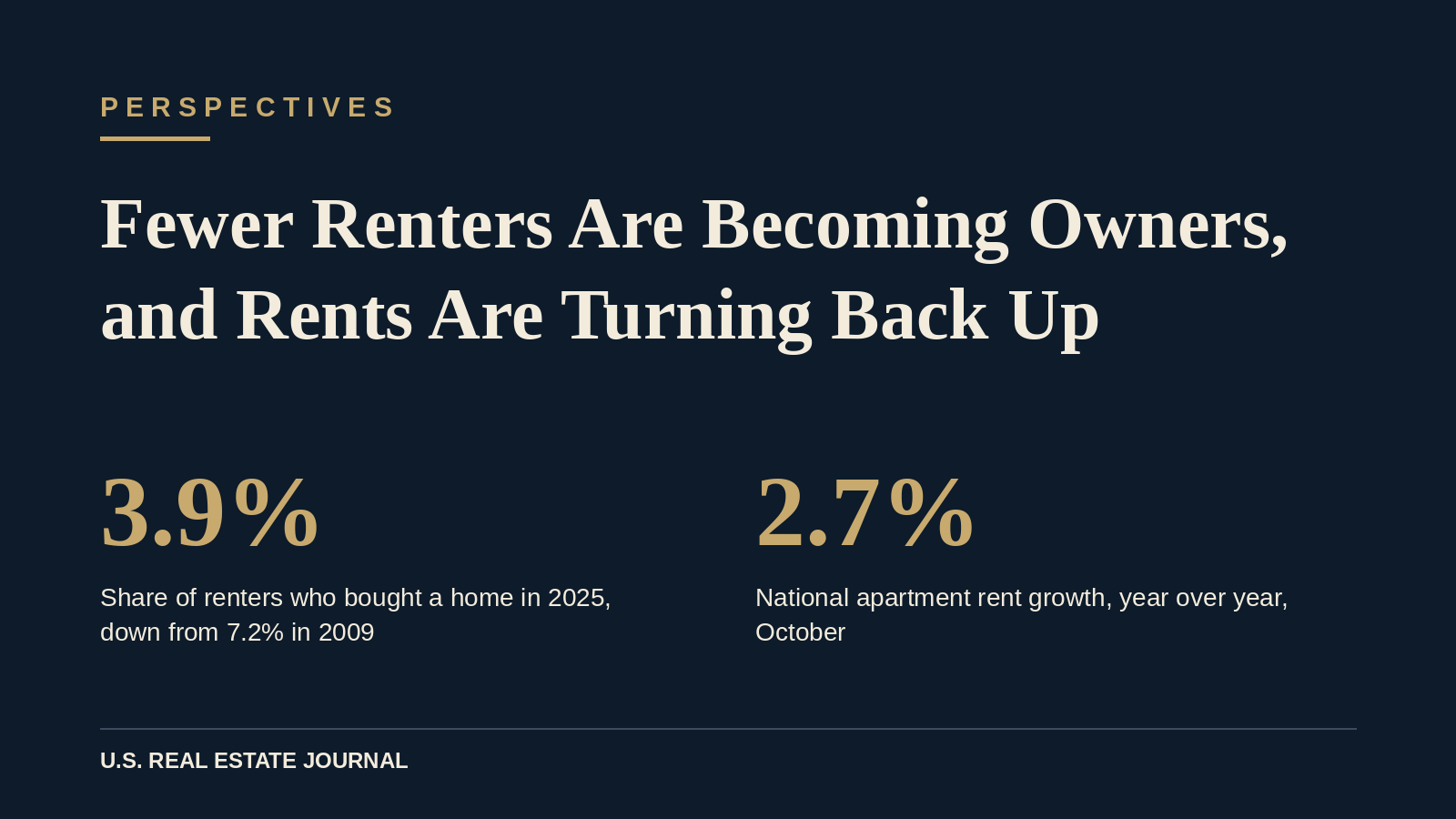
Fewer Renters Are Becoming Owners, and Rents Are Turning Back Up
The share of renters who go on to buy a home has nearly halved since 2009, and with the apartment pipeline shrinking, that stuck renter is now the engine behind the rent recovery.
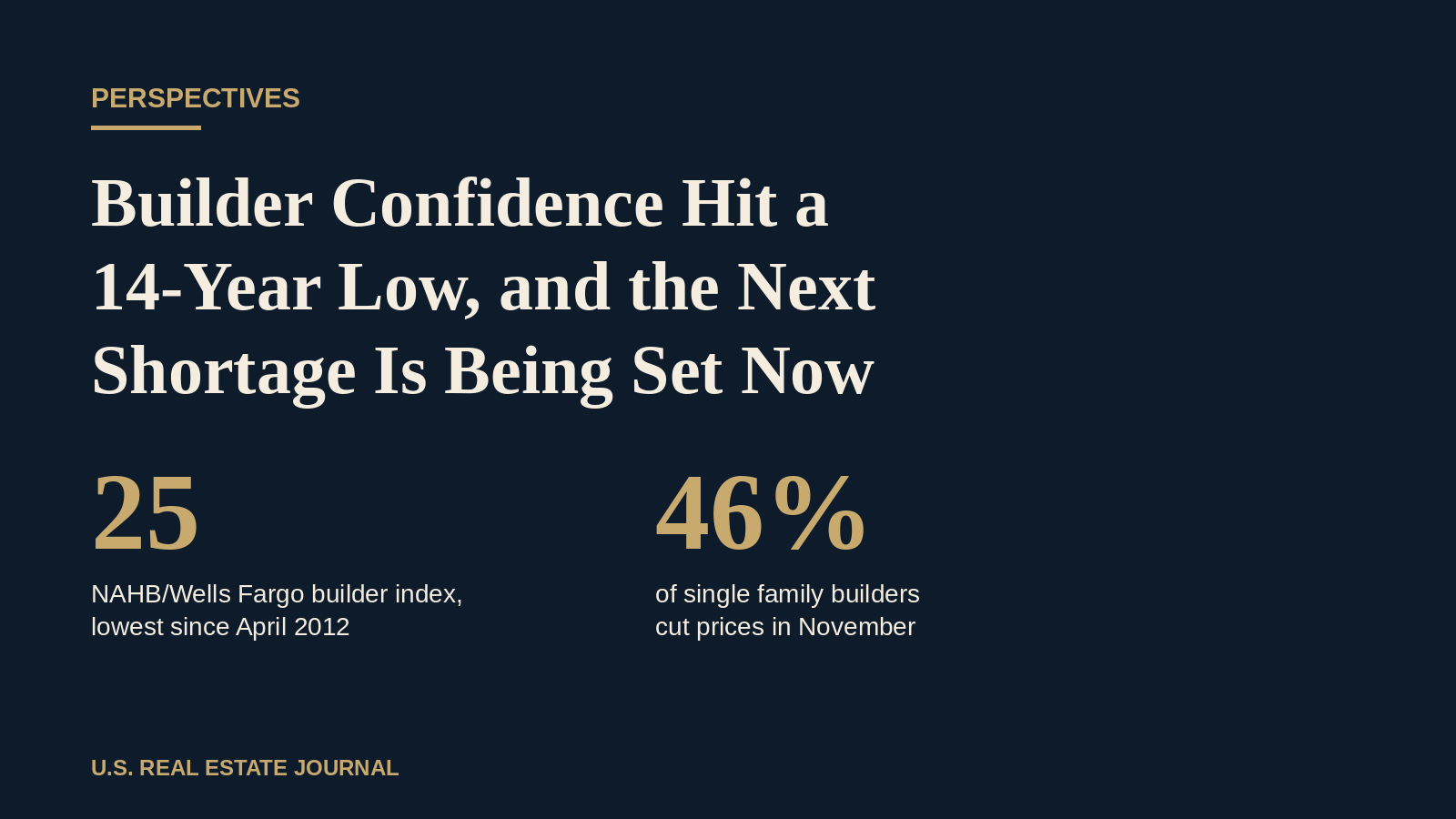
Builder Confidence Hit a 14-Year Low, and the Next Shortage Is Being Set Now
Single family builders are cutting prices at the highest rate since Covid while the apartment pipeline drains, so the land and entitlement work done this winter will decide who has homes to deliver later in the decade.
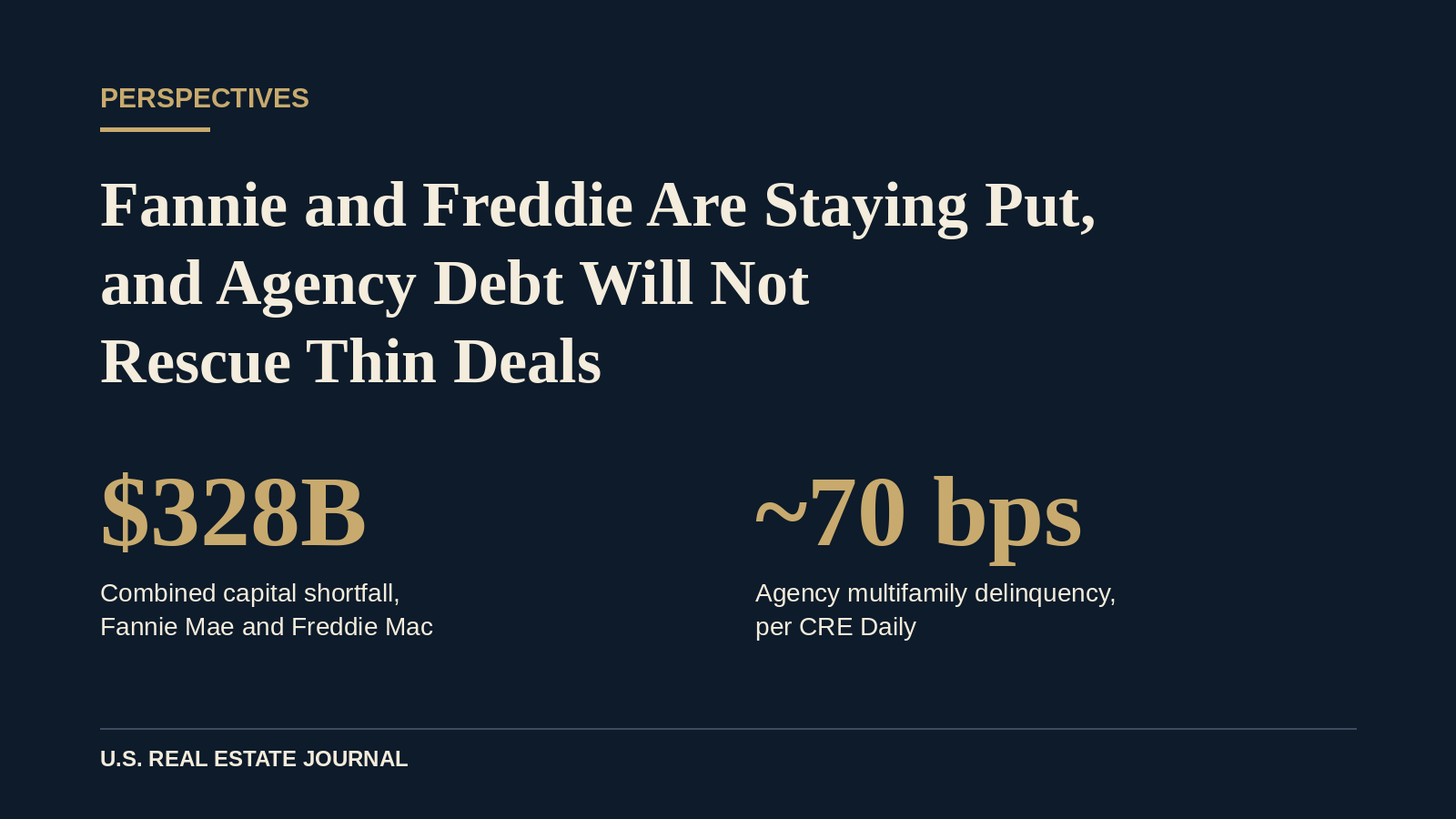
Fannie and Freddie Are Staying Put, and Agency Debt Will Not Rescue Thin Deals
A $328 billion capital gap has stalled the push to release Fannie Mae and Freddie Mac, and the more useful signal for owners is how hard the agencies are now underwriting multifamily.
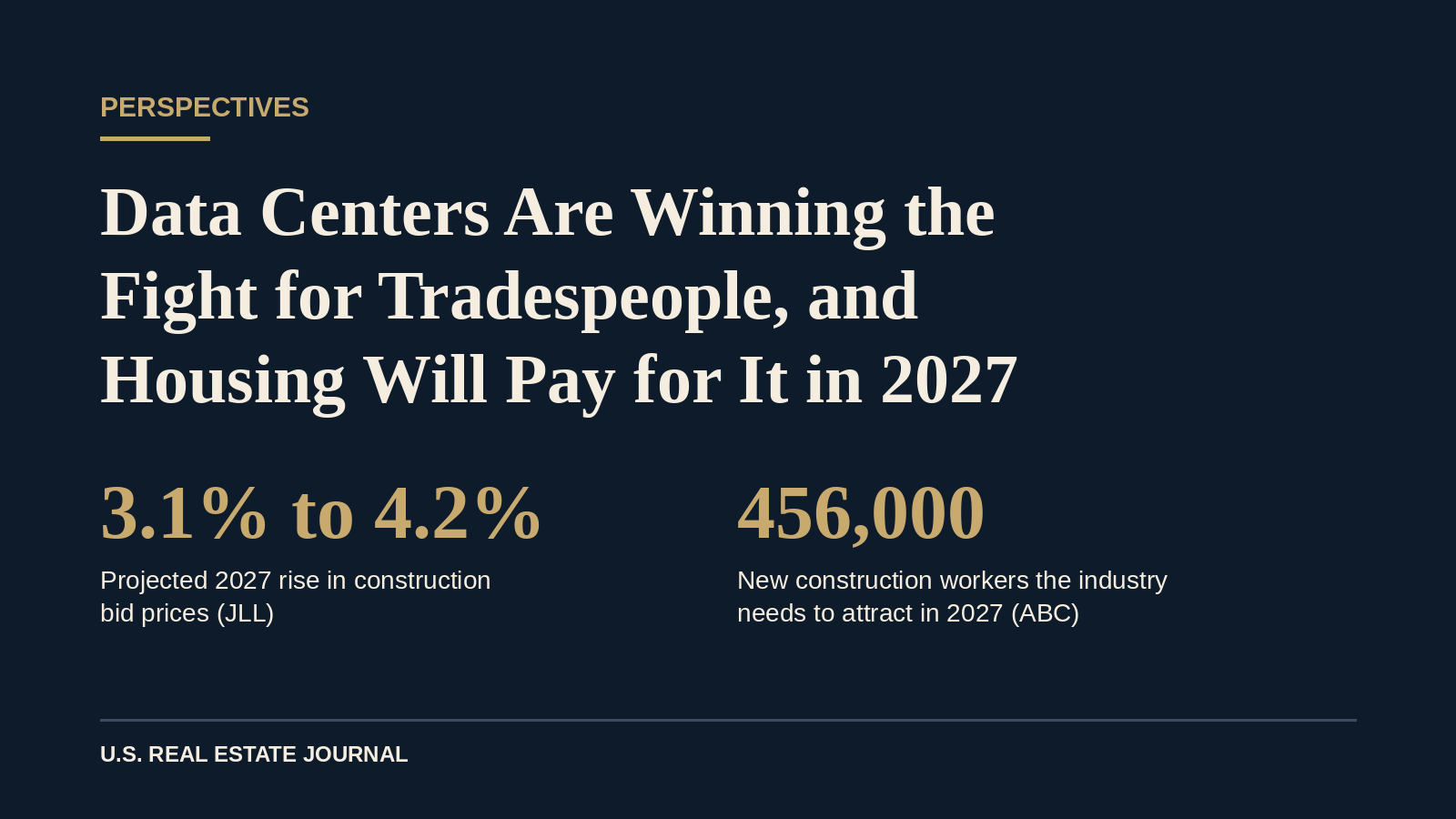
Data Centers Are Winning the Fight for Tradespeople, and Housing Will Pay for It in 2027
Construction demand is slowing, yet bid prices are still set to rise in 2027, because the AI buildout is absorbing the electricians and crews that homes and apartments need.

North Texas Land Is Cooling, and the Buyers Who Can Wait Will Set the Price
Sellers and buyers are far apart on DFW land, lot demand has reset and Dallas is rewriting its zoning code, which makes the next 18 months the most important stretch for North Texas land in five years.

Downtown L.A. Just Hit Bottom. The Sun Belt Is Where the Cracks Are Now.
New leasing, occupancy and visitor data show downtown Los Angeles turning while rents and prices soften in Texas and Florida. Follow the fundamentals, not the feed.
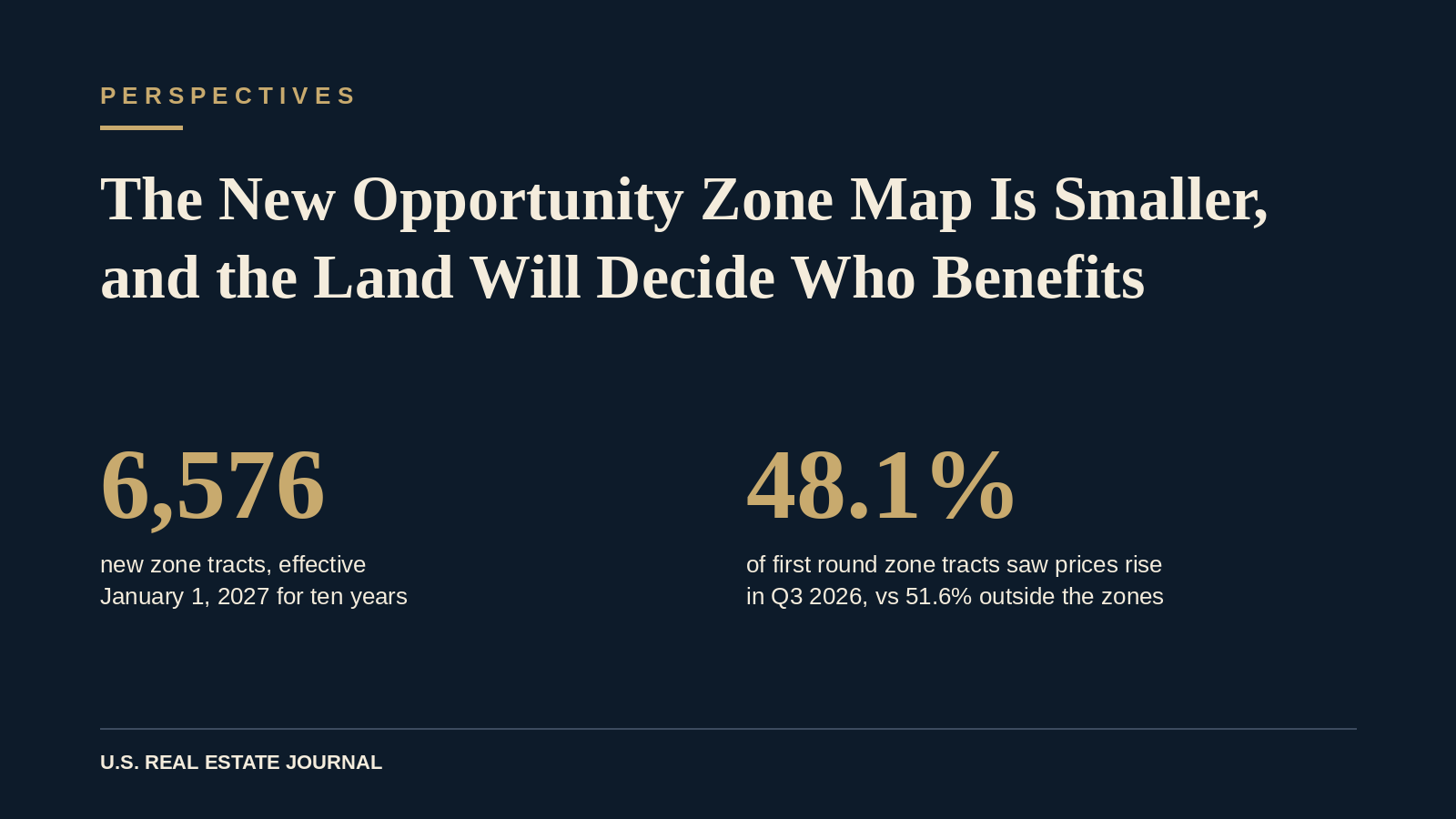
The New Opportunity Zone Map Is Smaller, and the Land Will Decide Who Benefits
Treasury named 6,576 tracts for the next decade, but the first round shows a tax incentive follows the market, and only buildable land turns a designation into housing.
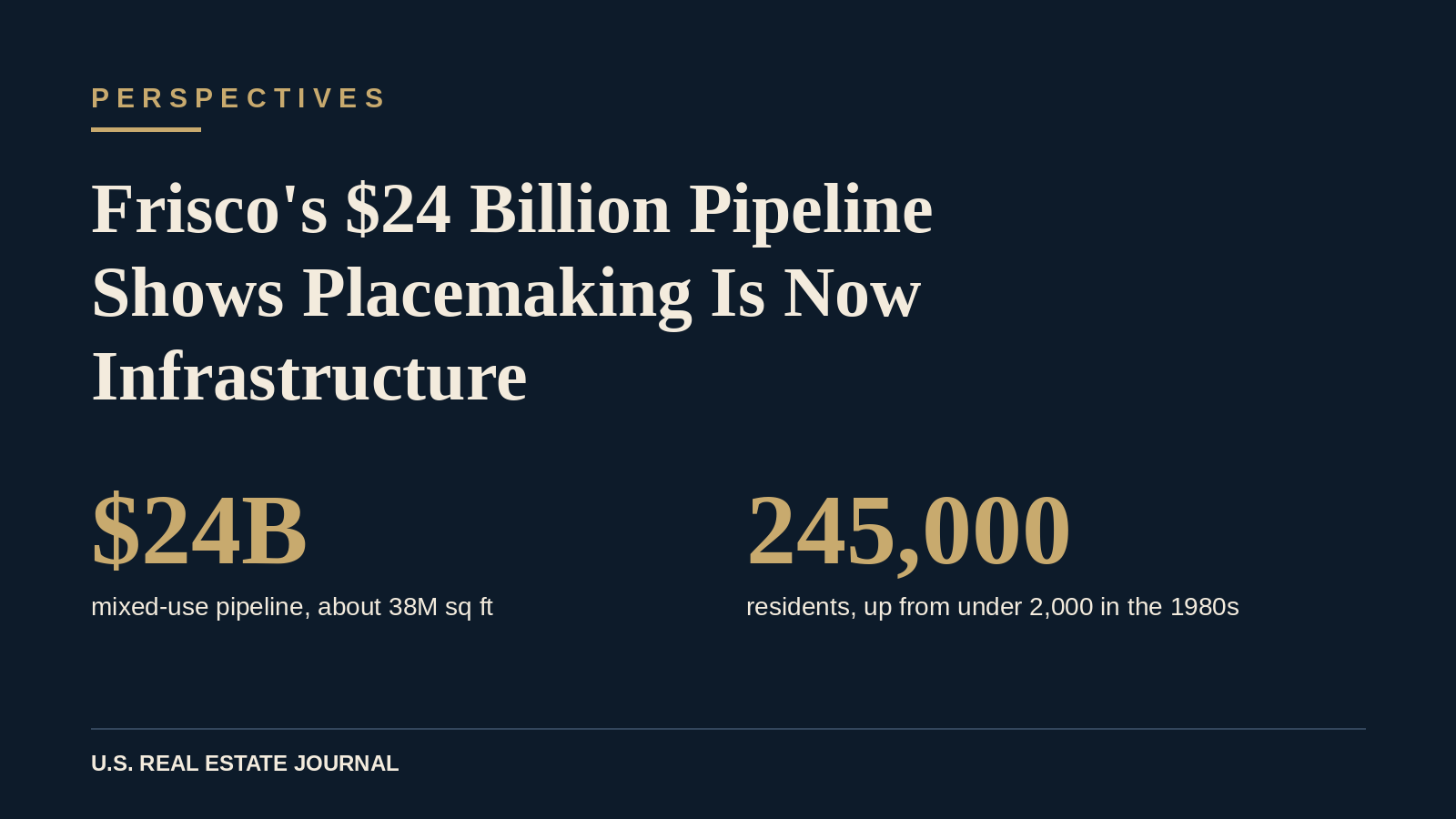
Frisco’s $24 Billion Pipeline Shows Placemaking Is Now Infrastructure
A North Texas suburb that was farmland a generation ago is lining up 38 million square feet of mixed use, and the real lesson for other markets is about land, sequencing and patience.
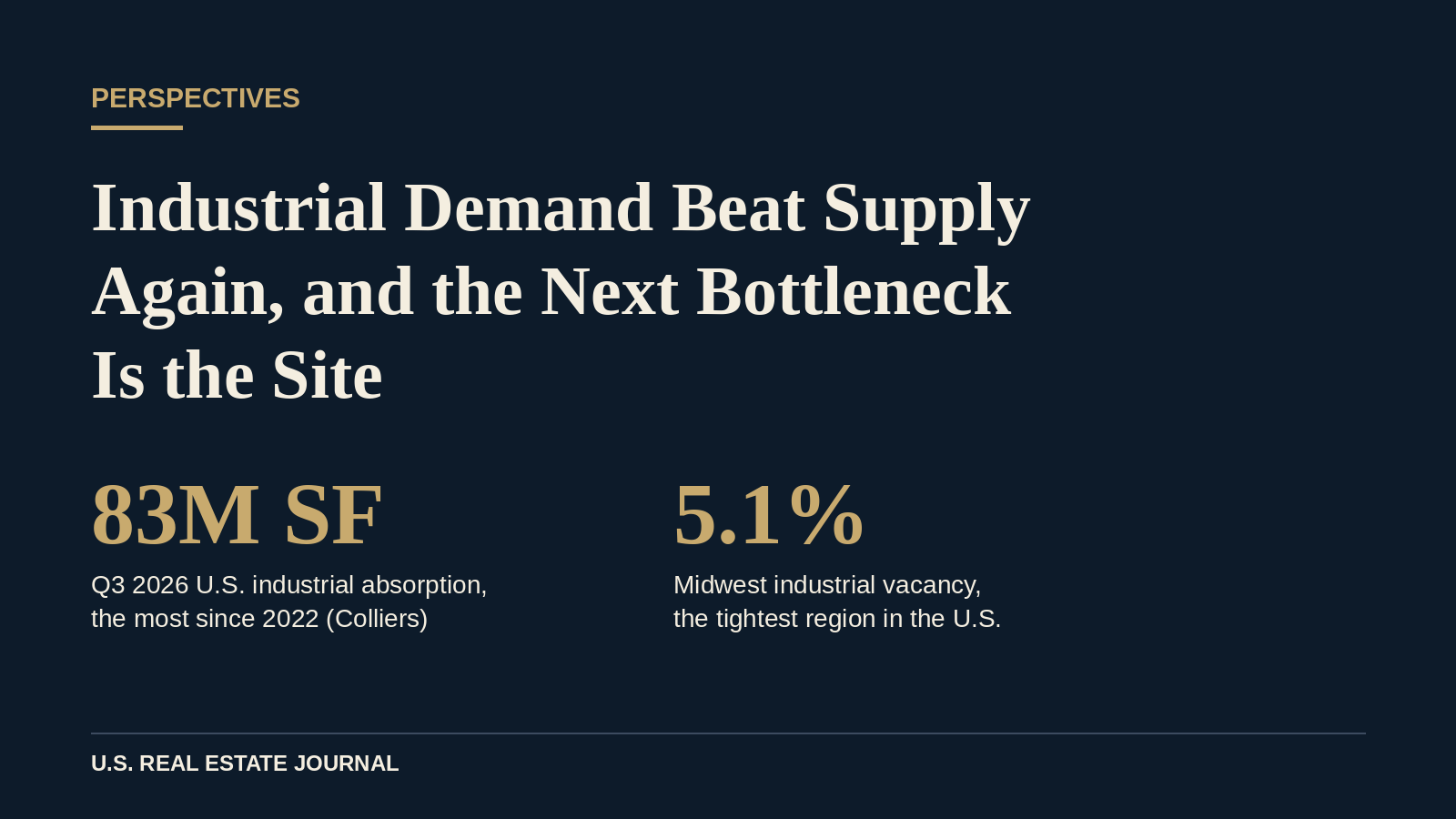
Industrial Demand Beat Supply Again, and the Next Bottleneck Is the Site
Colliers counted 83 million square feet of industrial absorption in the third quarter, the most since 2022, but with the pipeline far below its peak, the next buildings will be won on powered, entitled land.
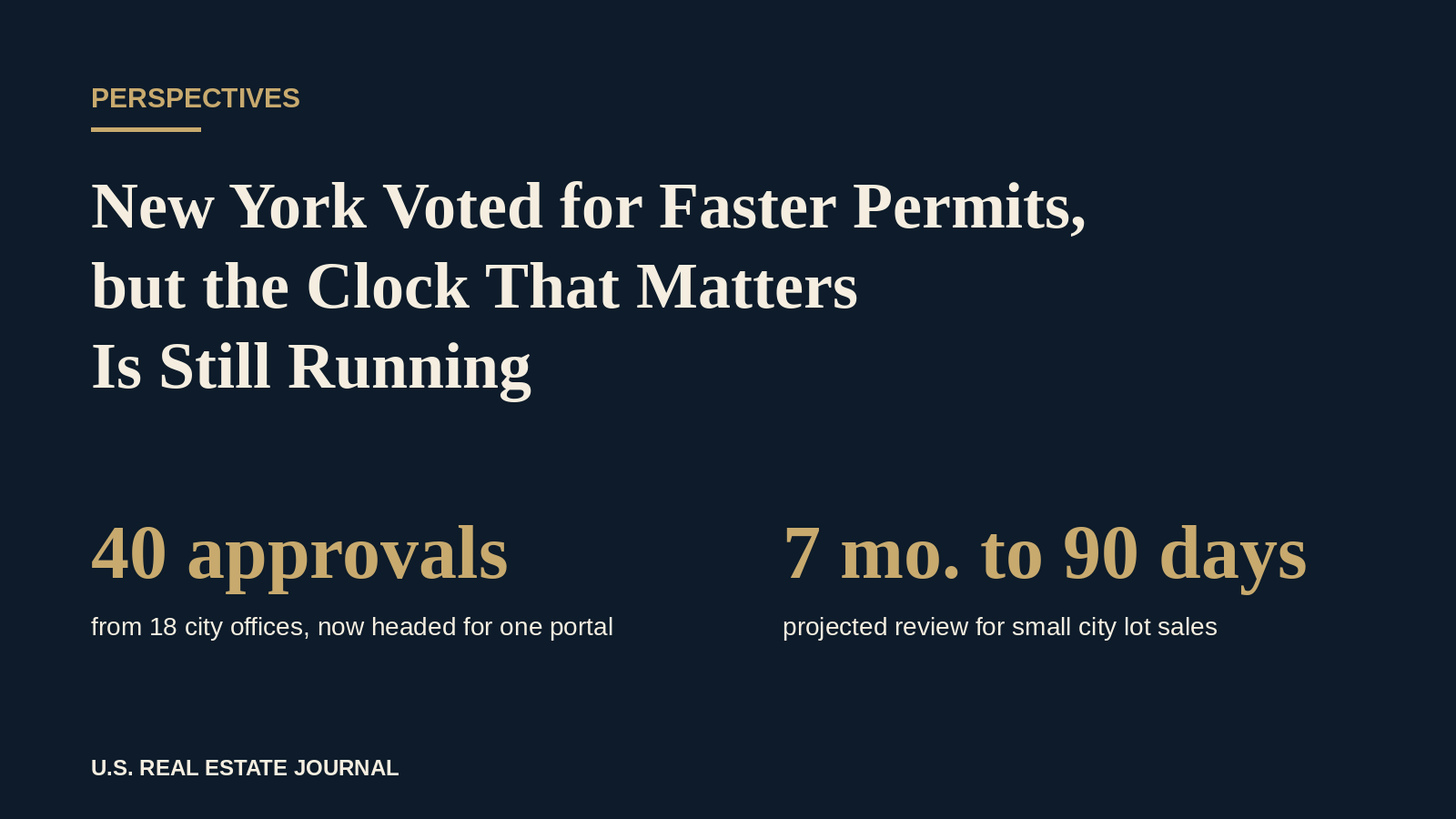
New York Voted for Faster Permits, but the Clock That Matters Is Still Running
A single Buildings portal and a 90 day path for small city lots are real progress, but the portal is years away and time is still the most expensive input in any project.
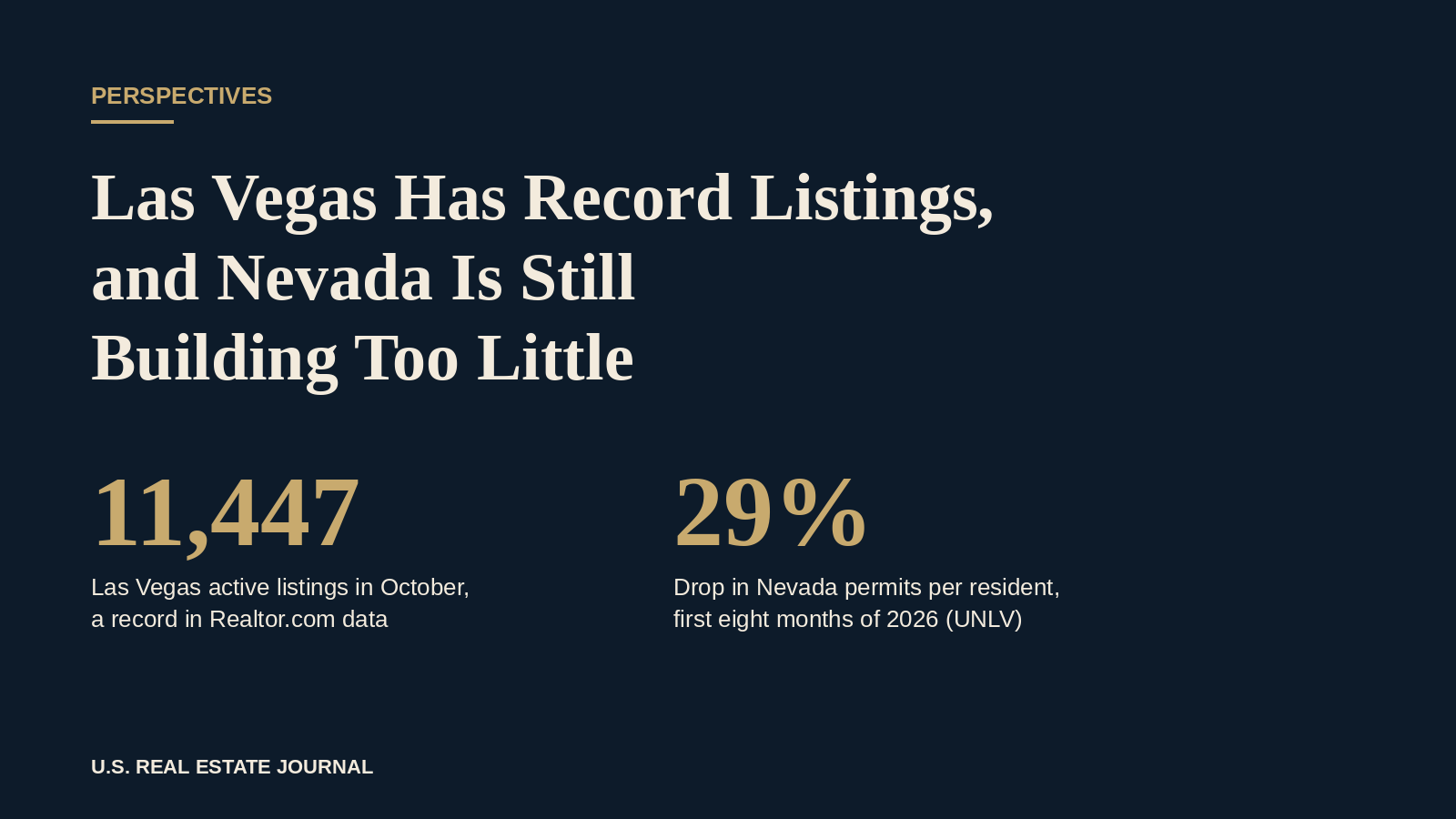
Las Vegas Has Record Listings, and Nevada Is Still Building Too Little
A demand pause is filling the resale market while permits fall almost a third, which sets up a thin pipeline for the moment rates finally give.
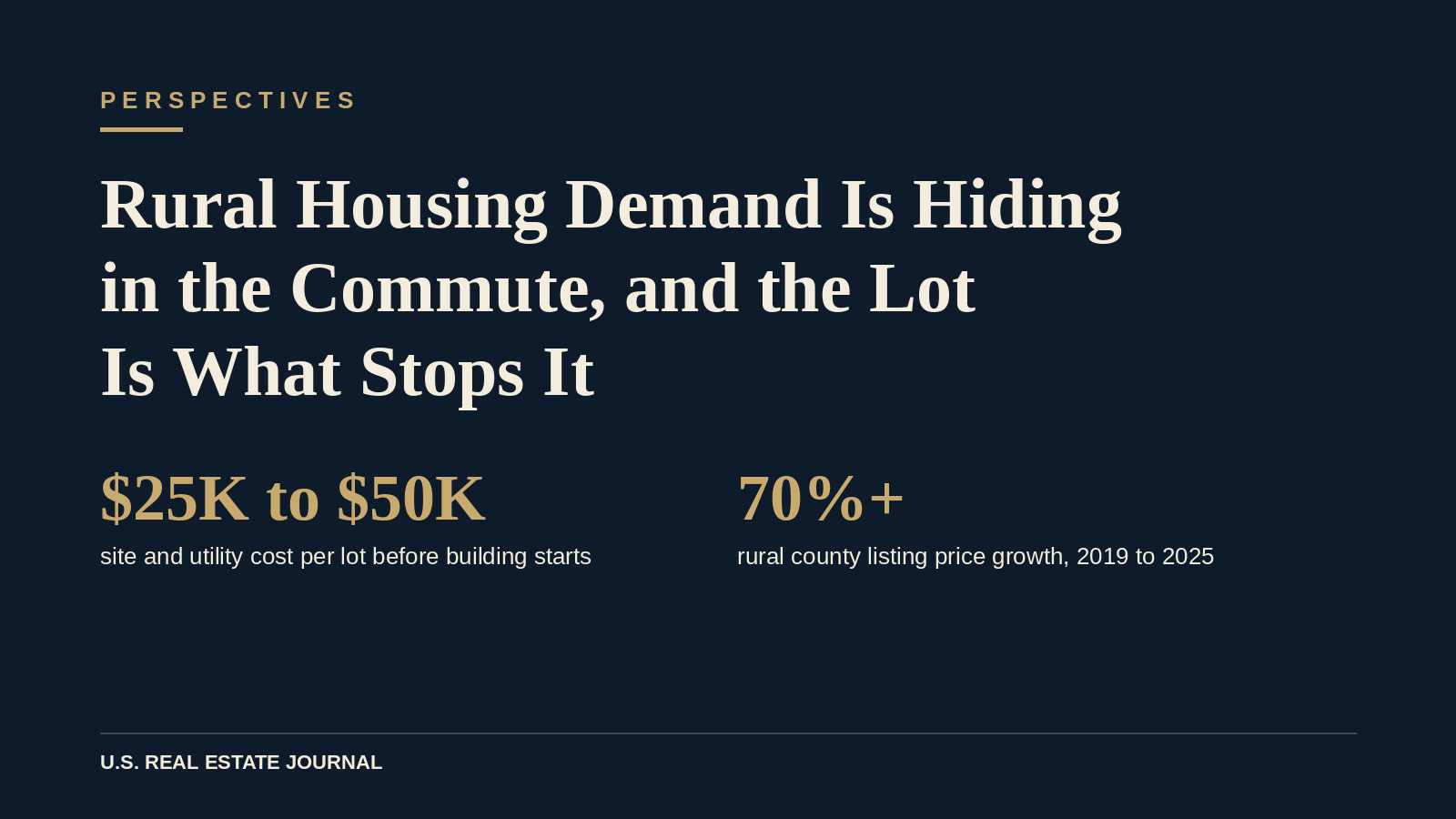
Rural Housing Demand Is Hiding in the Commute, and the Lot Is What Stops It
A shrinking population can hide a town that simply stopped building, and the real barriers are infrastructure cost per lot and lenders who need comps that no longer exist.
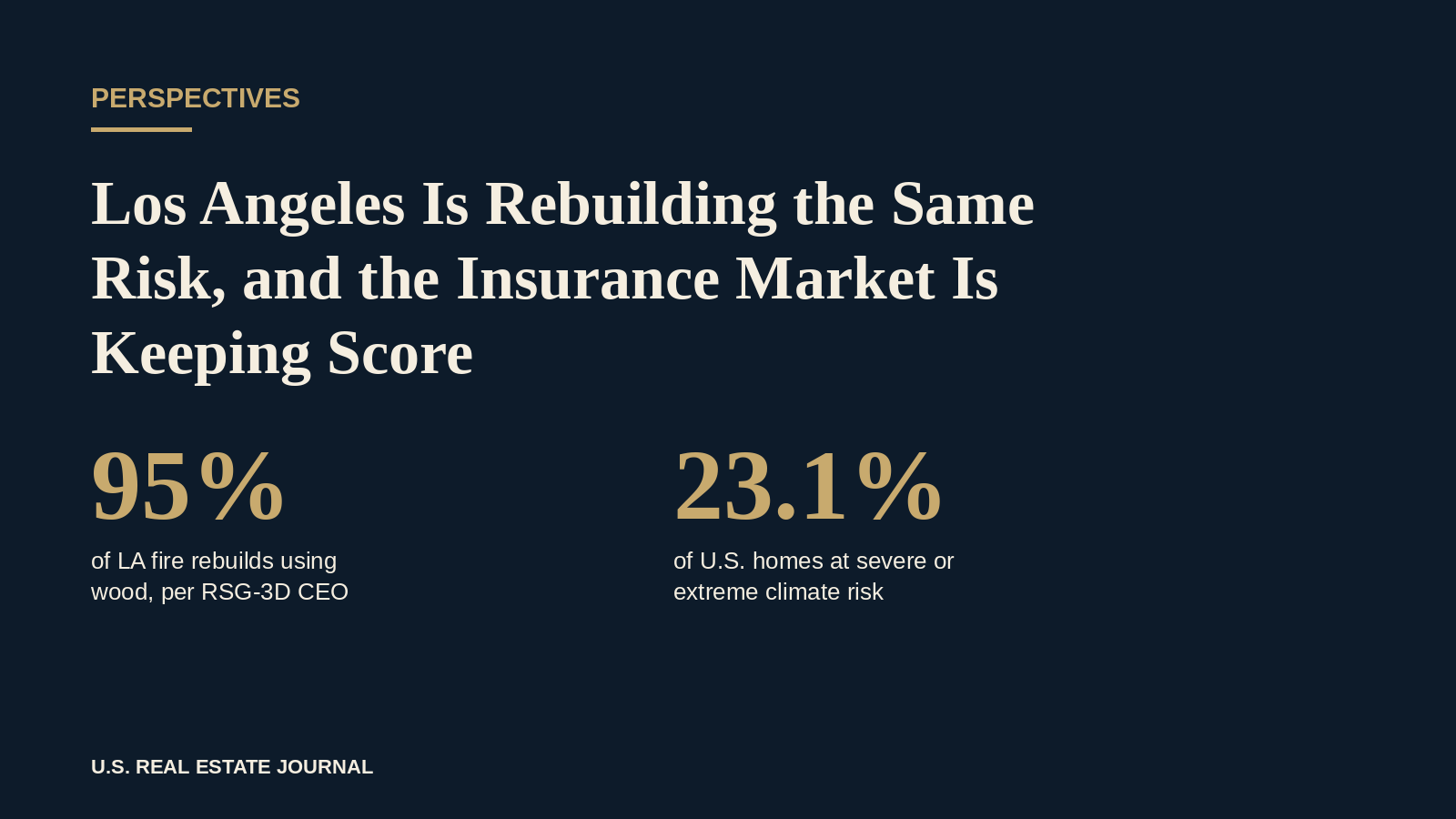
Los Angeles Is Rebuilding the Same Risk, and the Insurance Market Is Keeping Score
Most fire rebuilds are going back up in wood, bigger and closer together, which turns wildfire resilience from a design choice into the number insurers and owners will price.
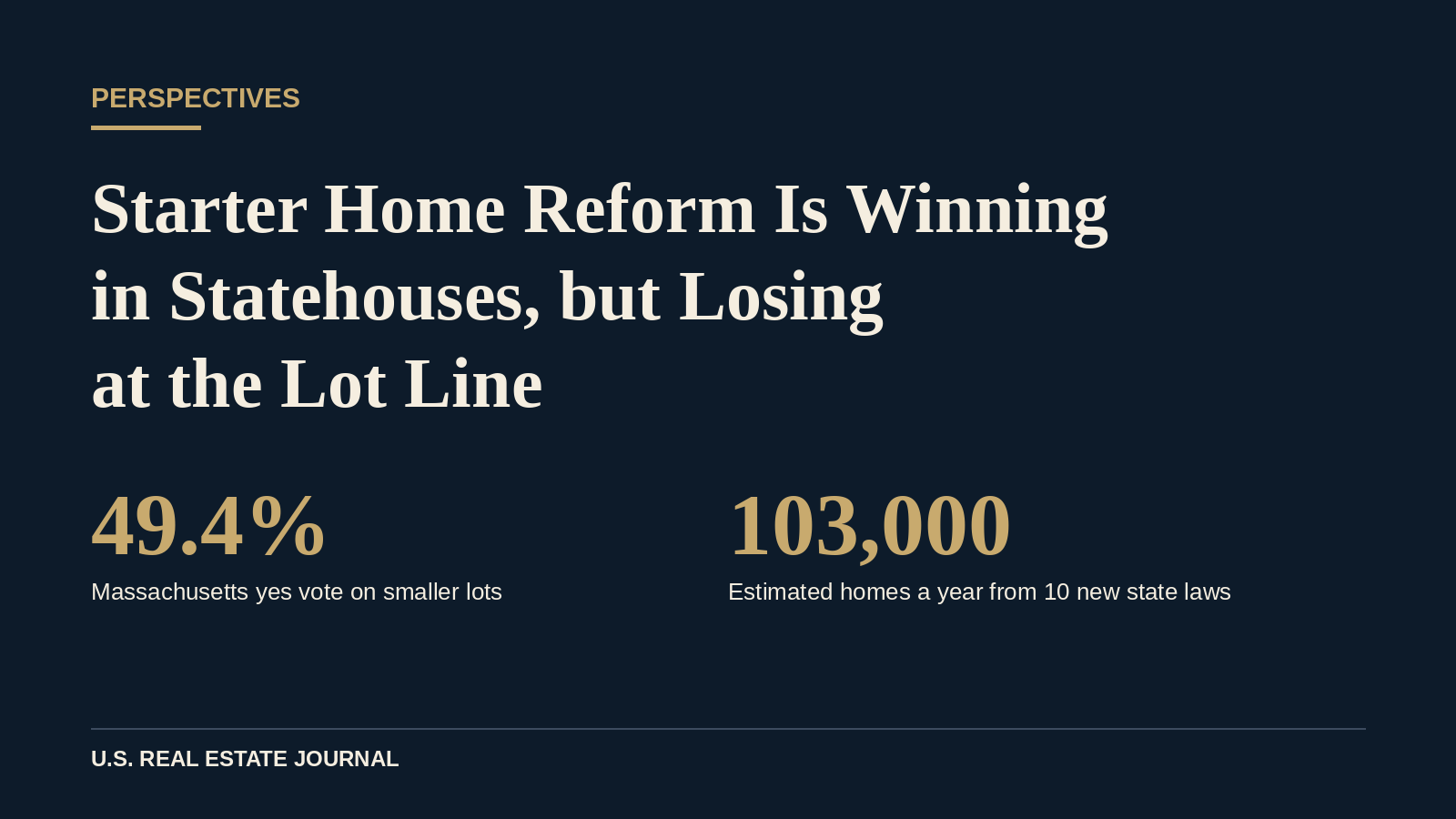
Starter Home Reform Is Winning in Statehouses, but Losing at the Lot Line
A narrow Massachusetts defeat and a new count of state housing laws show that real supply gains depend on who controls the minimum lot size.
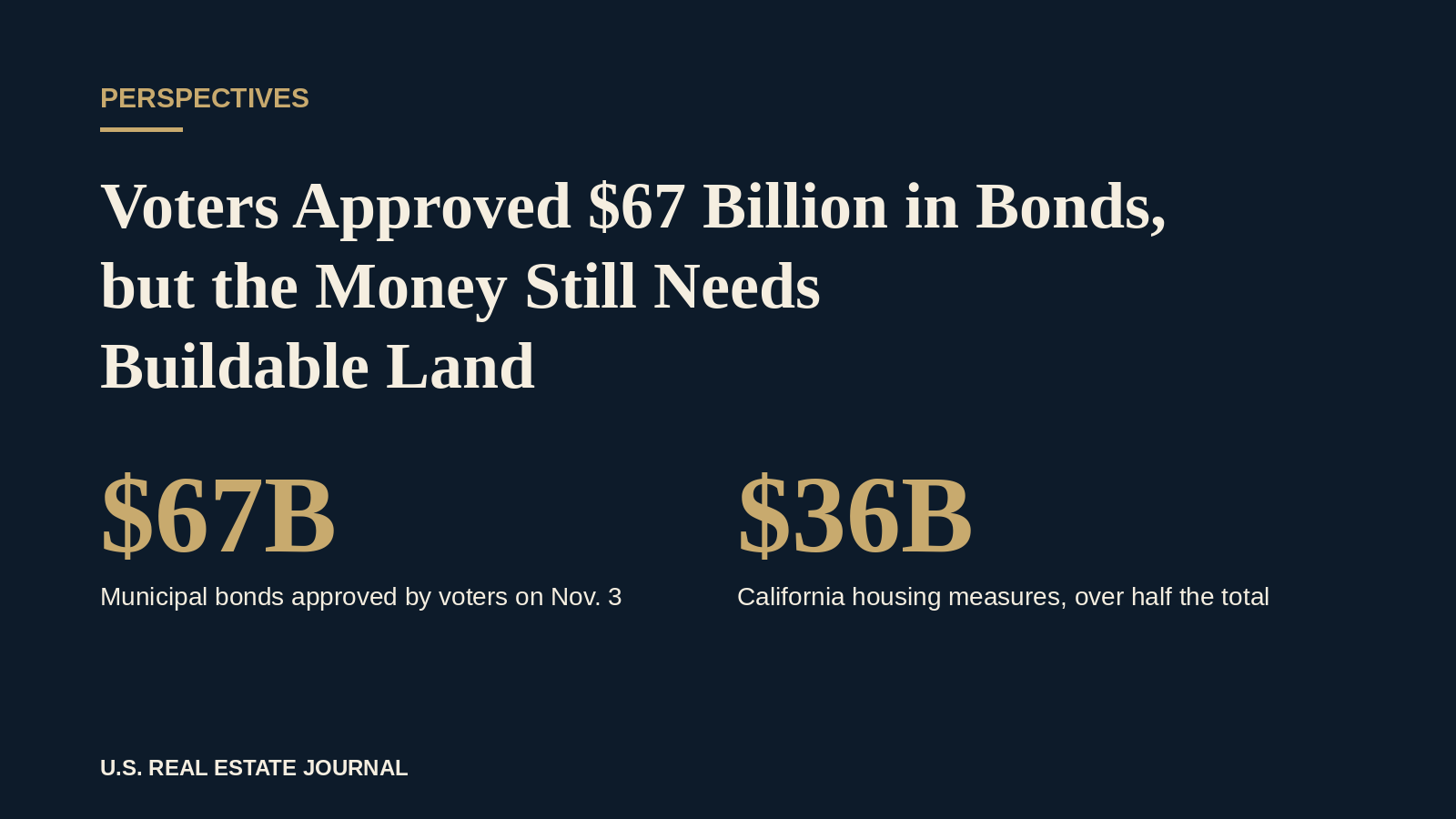
Voters Approved $67 Billion in Bonds, but the Money Still Needs Buildable Land
The midterm bond wave puts real public money behind housing and schools, but rising costs, tax fatigue in Texas and the scarcity of entitled land will decide how much of it turns into homes.
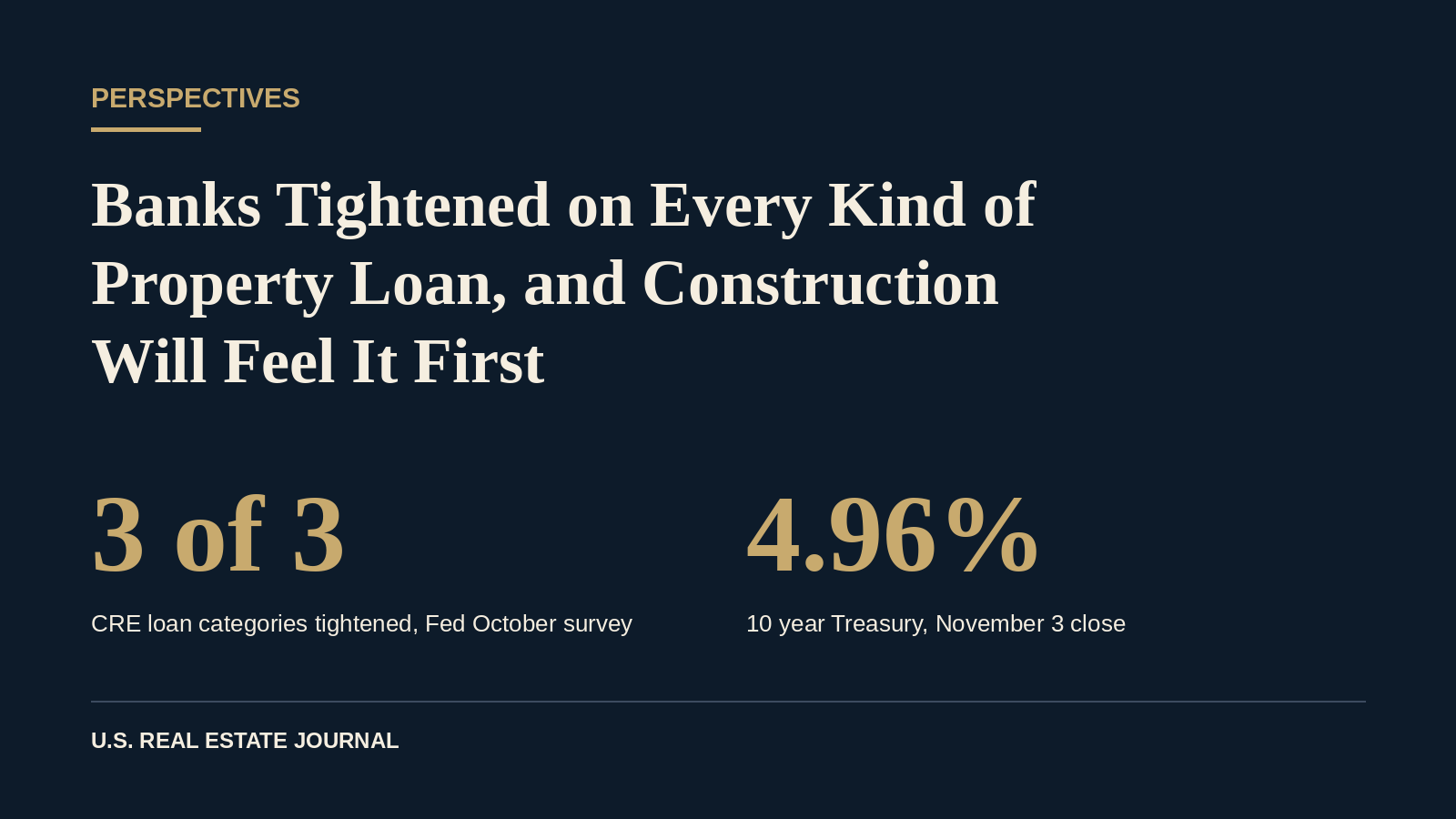
Banks Tightened on Every Kind of Property Loan, and Construction Will Feel It First
The Fed's October loan officer survey shows banks tightening standards on construction, land, commercial and multifamily loans at once, while also pulling back from the private lenders that have been filling the gap.
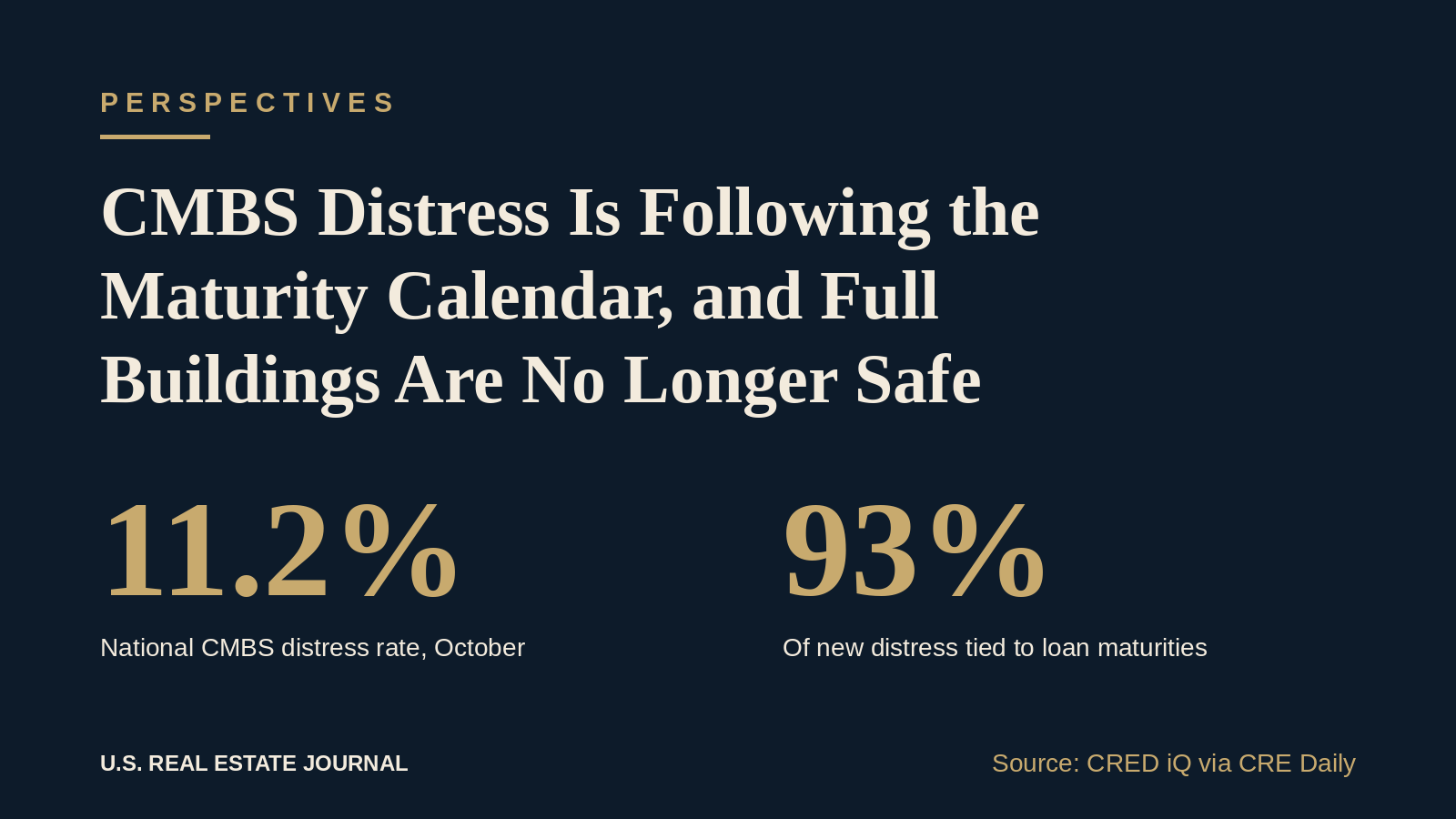
CMBS Distress Is Following the Maturity Calendar, and Full Buildings Are No Longer Safe
CRED iQ data shows 93% of October’s newly distressed CMBS debt was tied to maturing loans, and the strain is moving from New York to Los Angeles, Chicago and Houston.
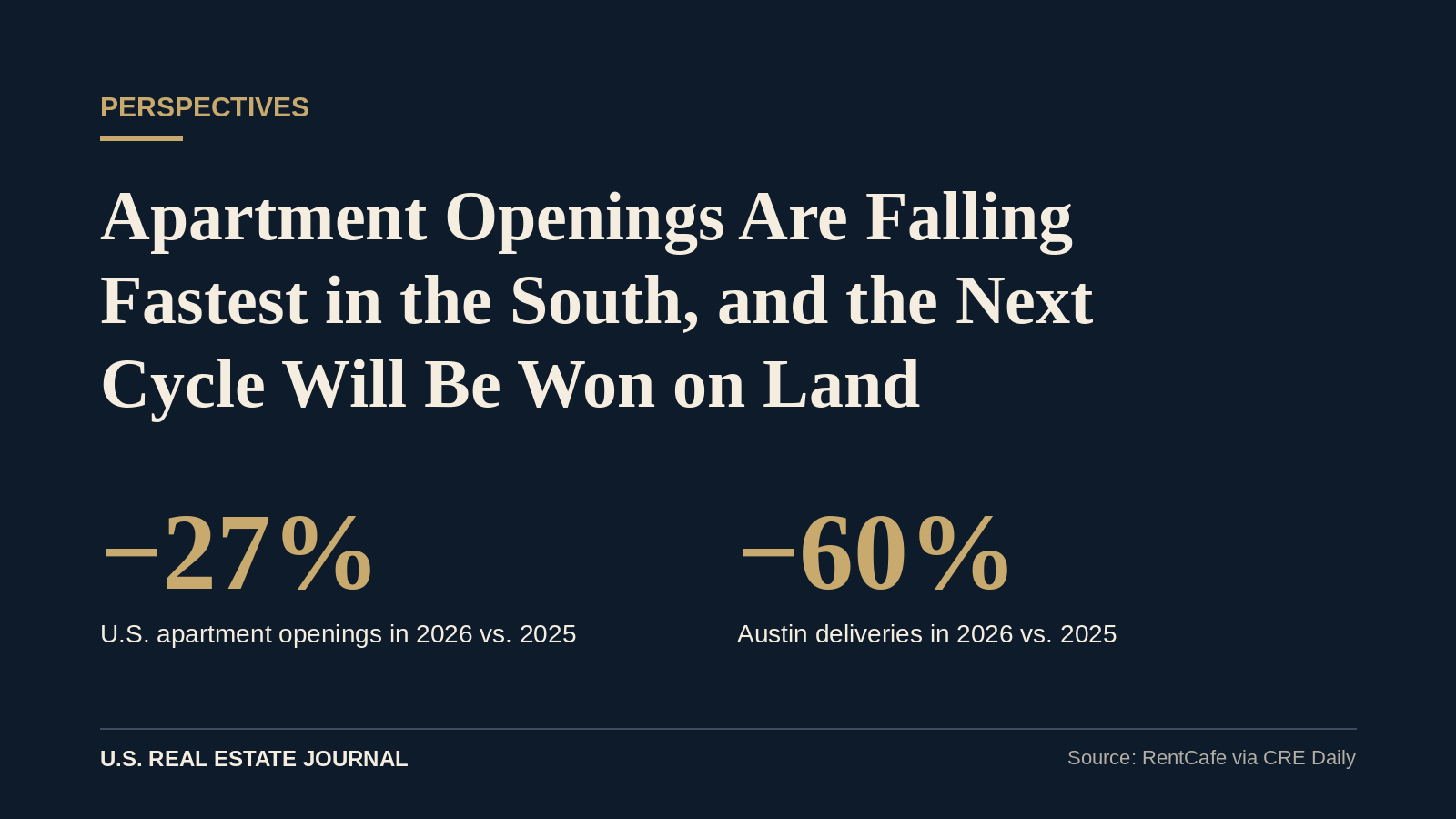
Apartment Openings Are Falling Fastest in the South, and the Next Cycle Will Be Won on Land
RentCafe expects 27% fewer apartment openings in 2026, with Dallas and Austin falling hardest, and with construction running 50% below its peak, the real scarcity ahead is entitled, buildable land.
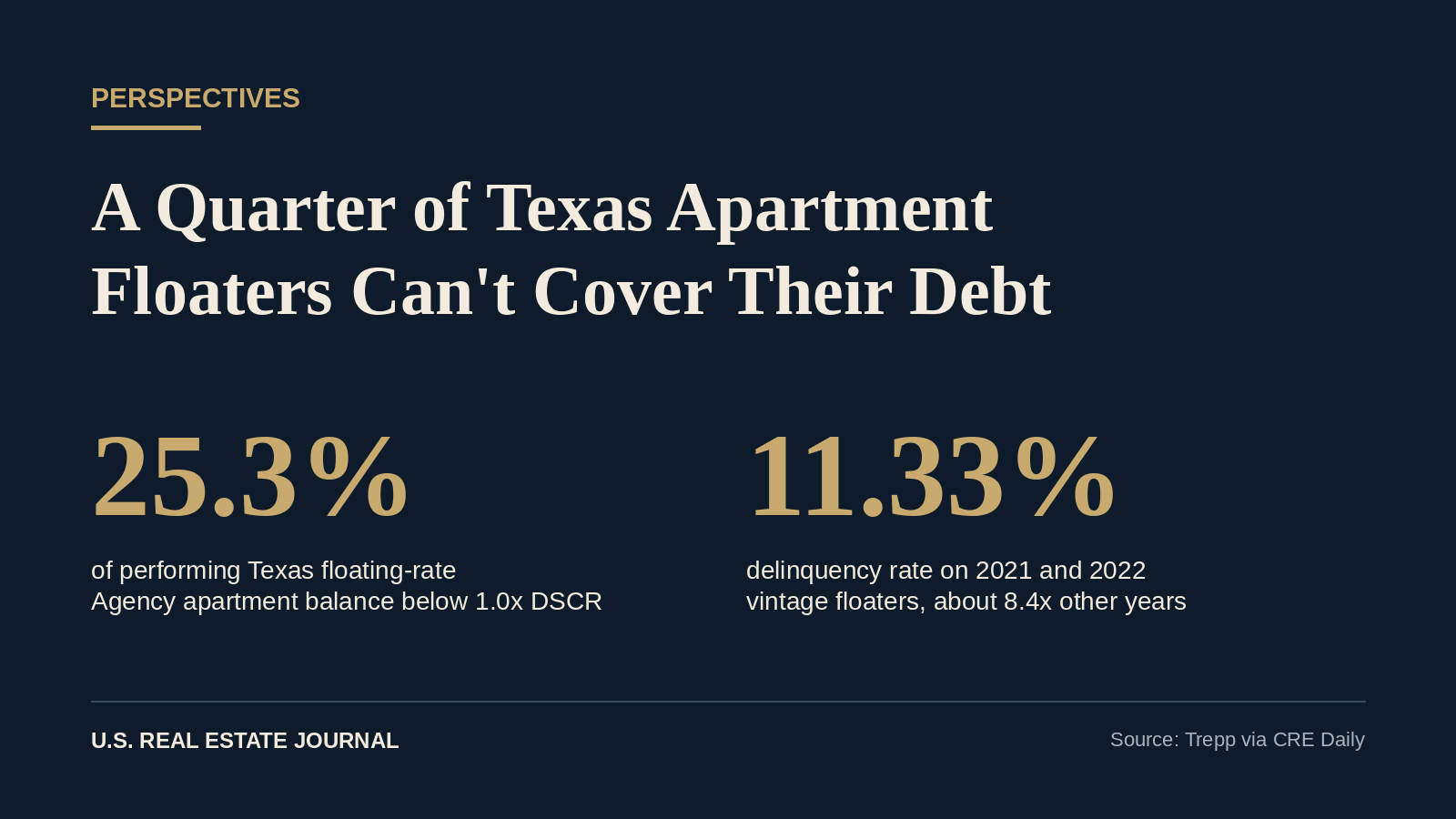
A Quarter of Texas Apartment Floaters Can’t Cover Their Debt, and Rate Relief Isn’t Coming
Trepp data shows $3.04 billion of performing floating-rate Agency apartment loans in Texas below 1.0x coverage, and with the Fed leaning toward a hike, the 2021 and 2022 vintage faces a refinance reckoning.
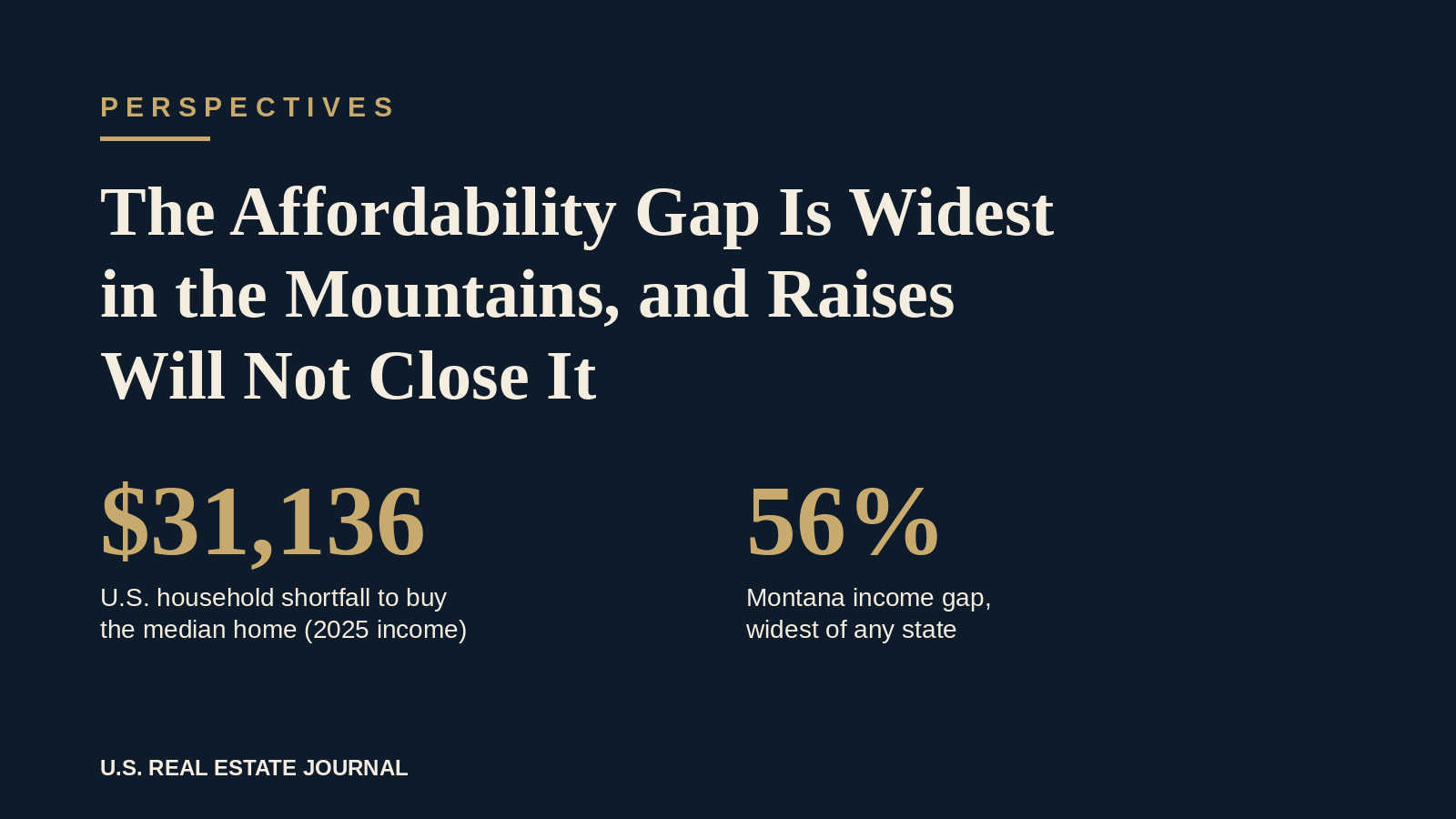
The Affordability Gap Is Widest in the Mountains, and Raises Will Not Close It
New Census data shows incomes rose 3.8% last year, yet no state is affordable at the median, and the widest gaps sit in Montana and the mountain West.

Insurance Is Eating the Price Cut, and the Monthly Payment Is the Only Number That Matters
Realtor.com data shows list prices down for 11 straight months, but record insurance costs are taking back much of the savings, and the gap falls hardest on the lower end of the market.
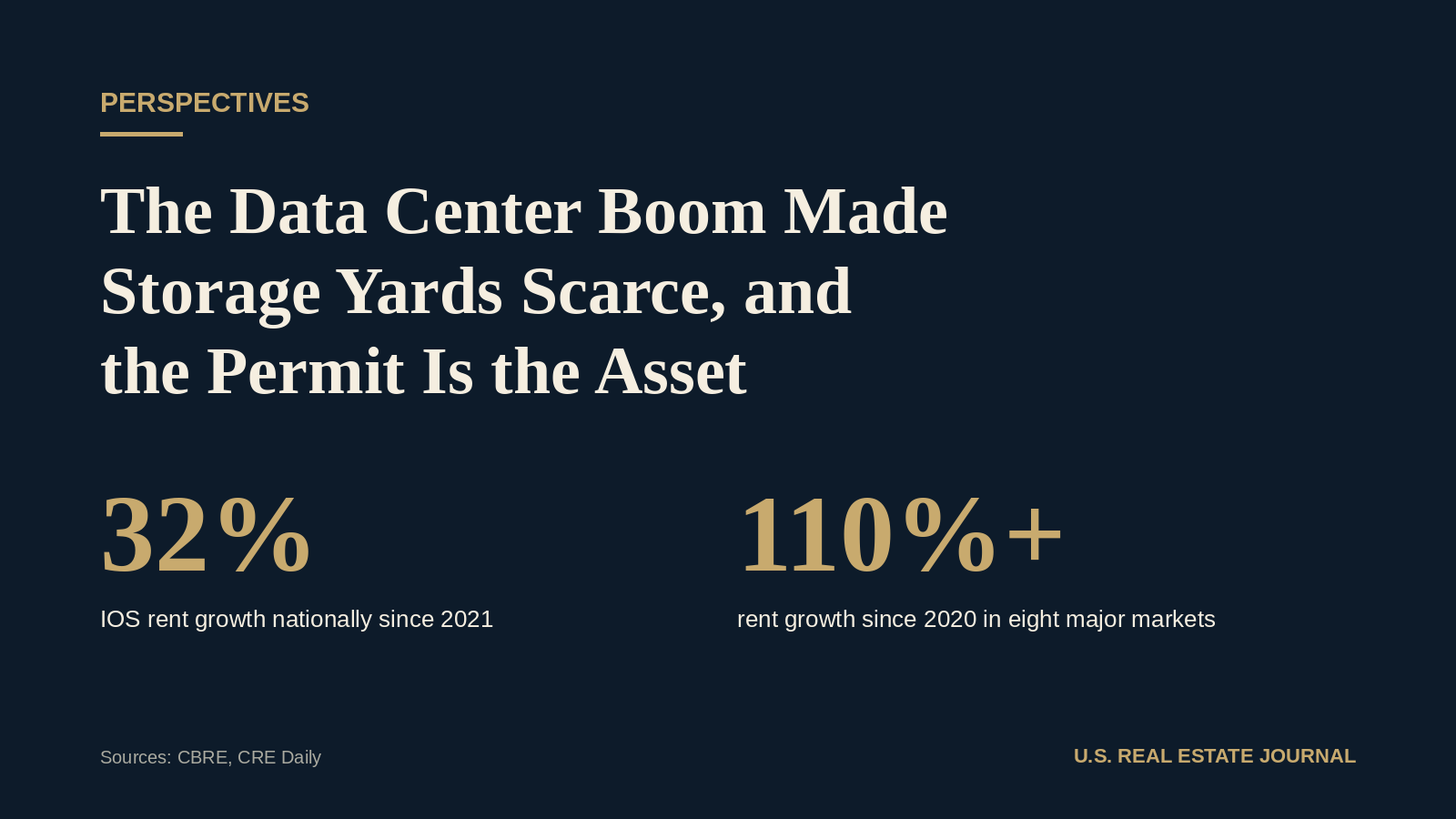
The Data Center Boom Made Storage Yards Scarce, and the Permit Is the Asset
Outdoor storage rents have surged as AI campuses need staging space, but the real value sits in scarce zoning approvals, and rents set at the build peak may not last.
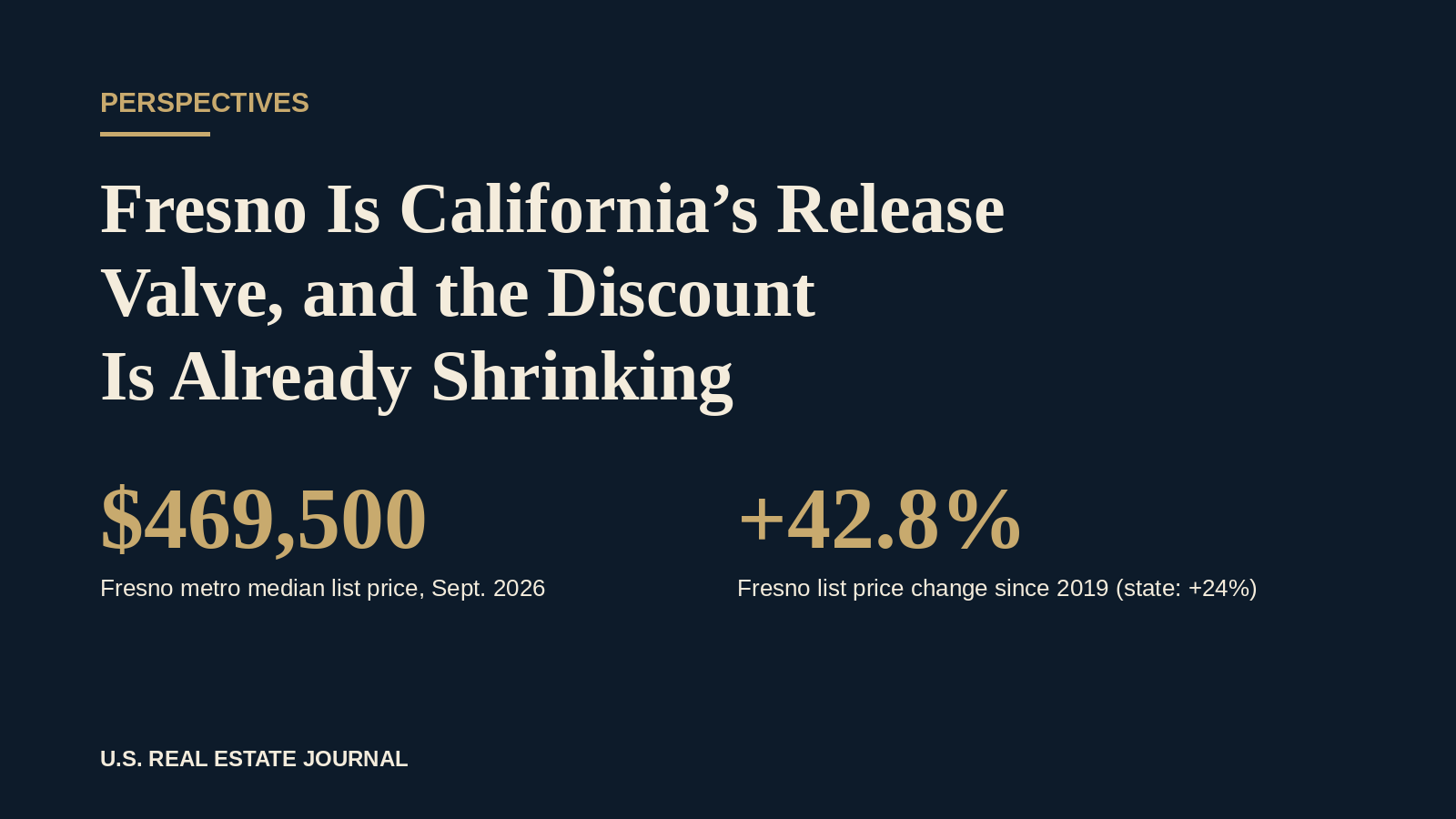
Fresno Is California’s Release Valve, and the Discount Is Already Shrinking
Coastal buyers and employers are moving to the Central Valley for cheaper land and faster approvals, but rising prices, high unemployment and higher rates will test how long that edge lasts.
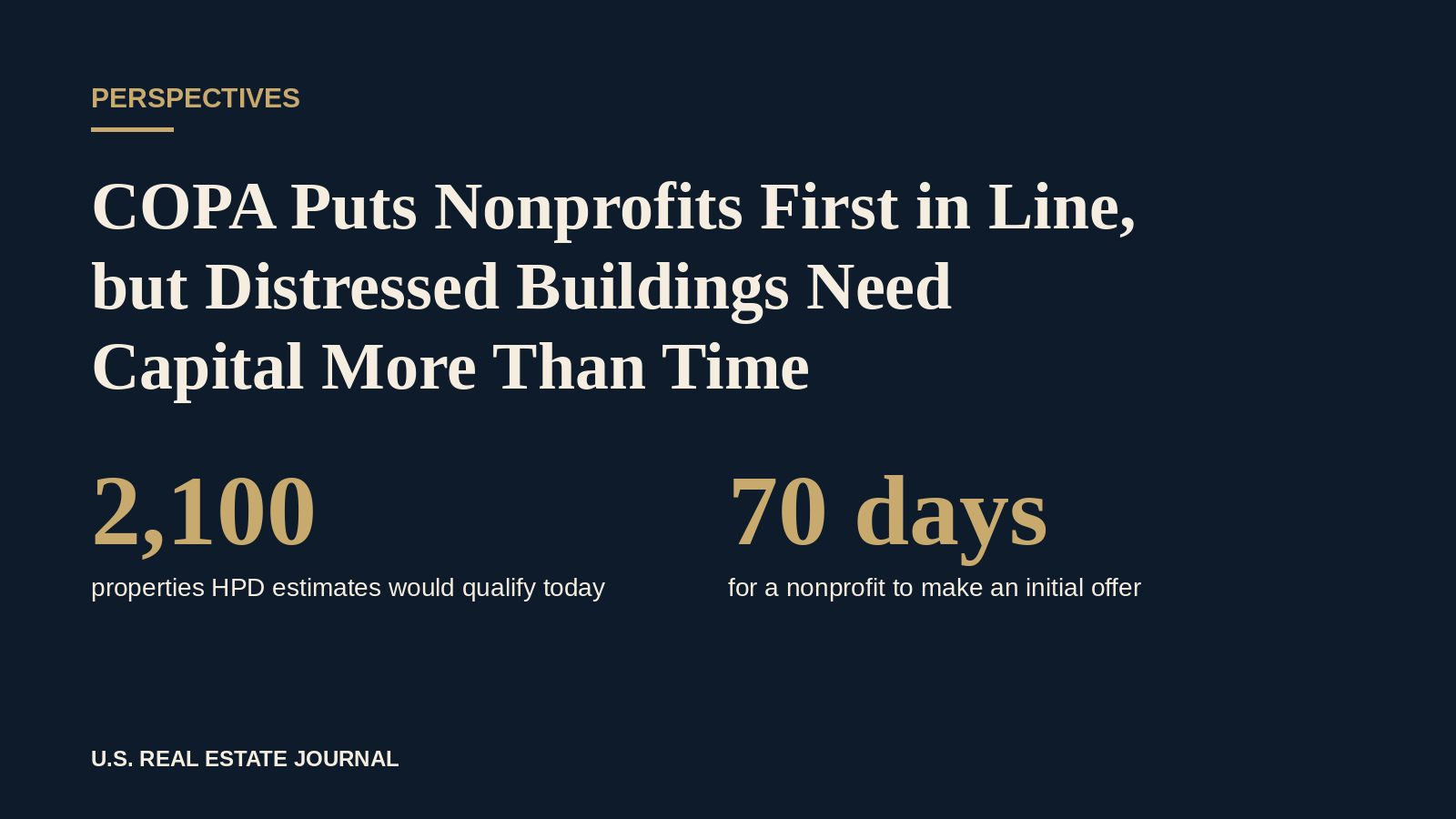
COPA Puts Nonprofits First in Line, but Distressed Buildings Need Capital More Than Time
New York’s new purchase right will slow sales of the city’s most troubled apartment buildings, and whether it preserves housing depends on rehab capital the law itself does not provide.
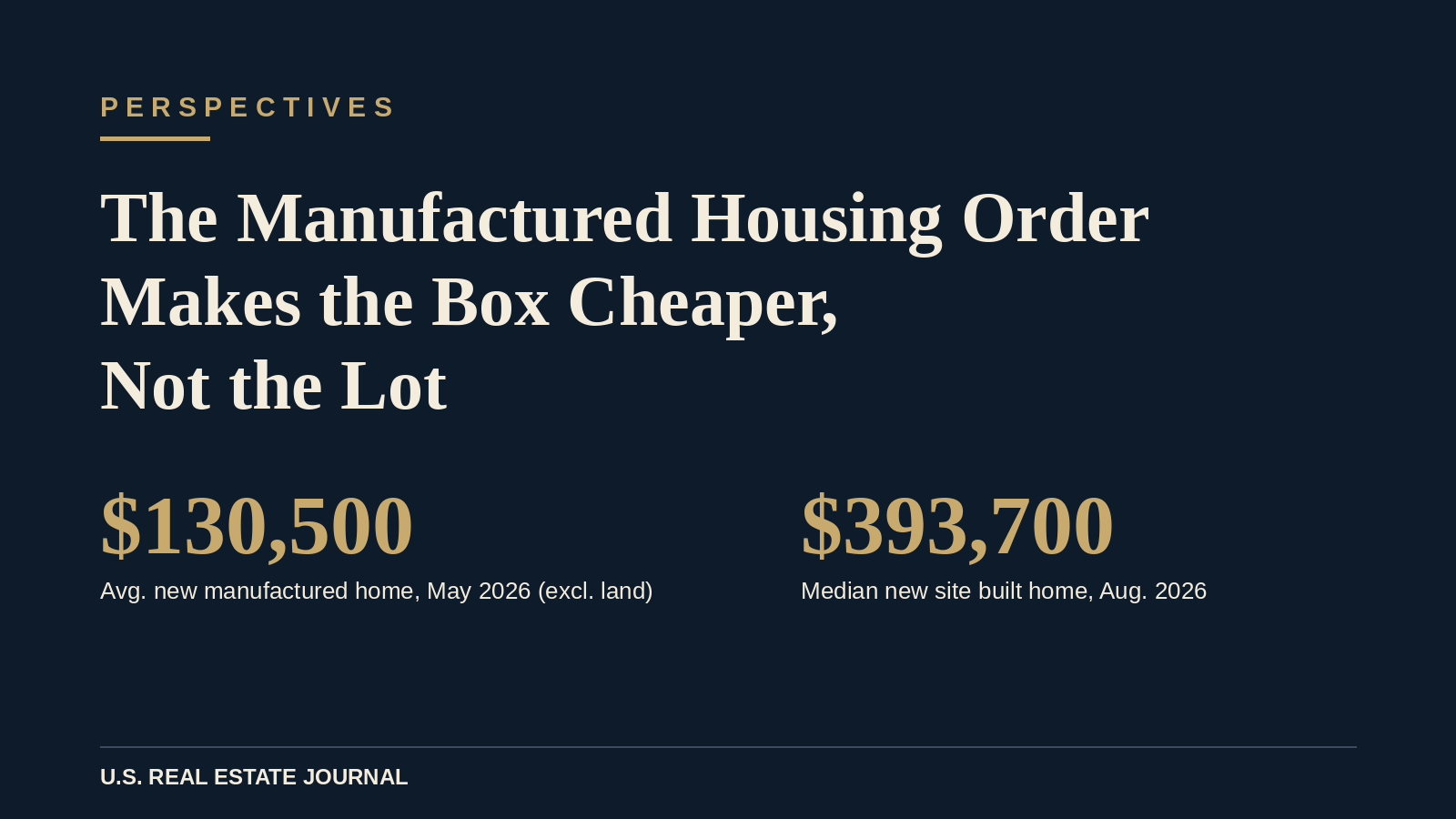
The Manufactured Housing Order Makes the Box Cheaper, Not the Lot
The White House’s new executive order targets factory built homes and mortgage costs, but land and local approvals still decide whether any of it gets built.
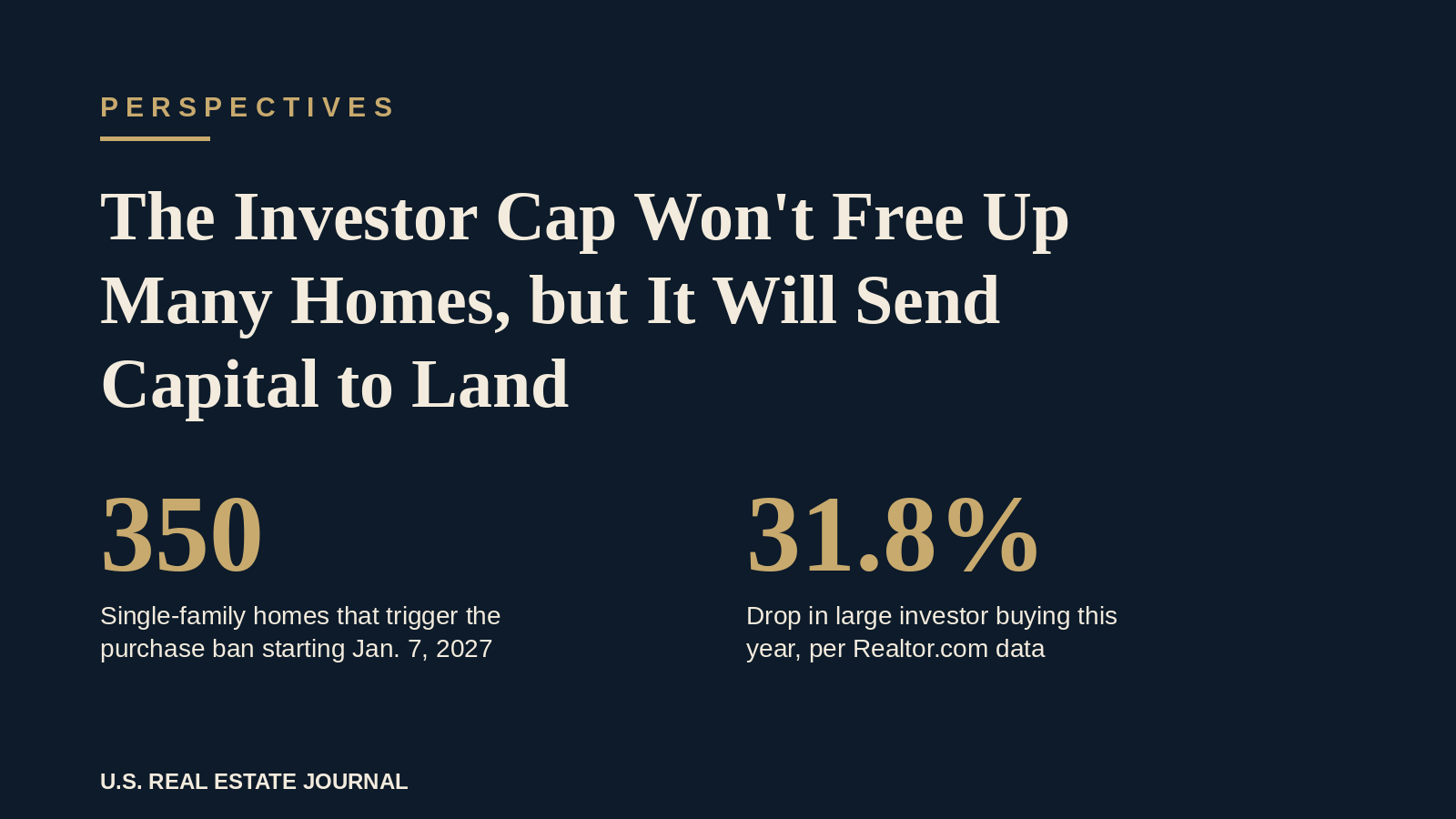
The Investor Cap Won’t Free Up Many Homes, but It Will Send Capital to Land
Treasury’s proposed rule bars large investors from buying more existing homes, but its carve-outs for new construction and heavy renovation will push that capital toward entitled land and older housing stock.
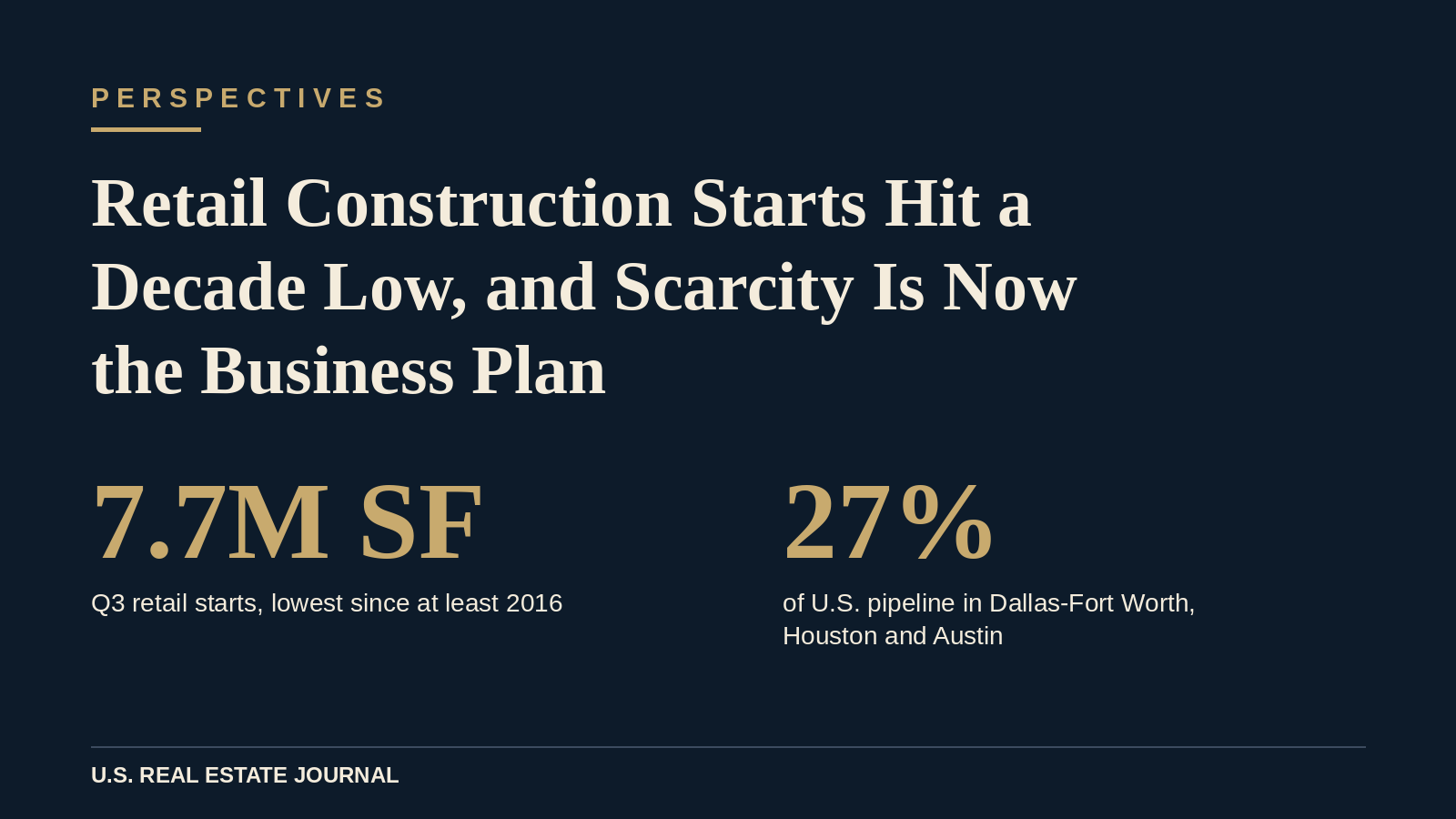
Retail Construction Starts Hit a Decade Low, and Scarcity Is Now the Business Plan
CoStar data show retail starts fell to 7.7 million square feet in the third quarter, a decade low that rewards owners of existing centers and tells developers new space will not pencil until rents rise.
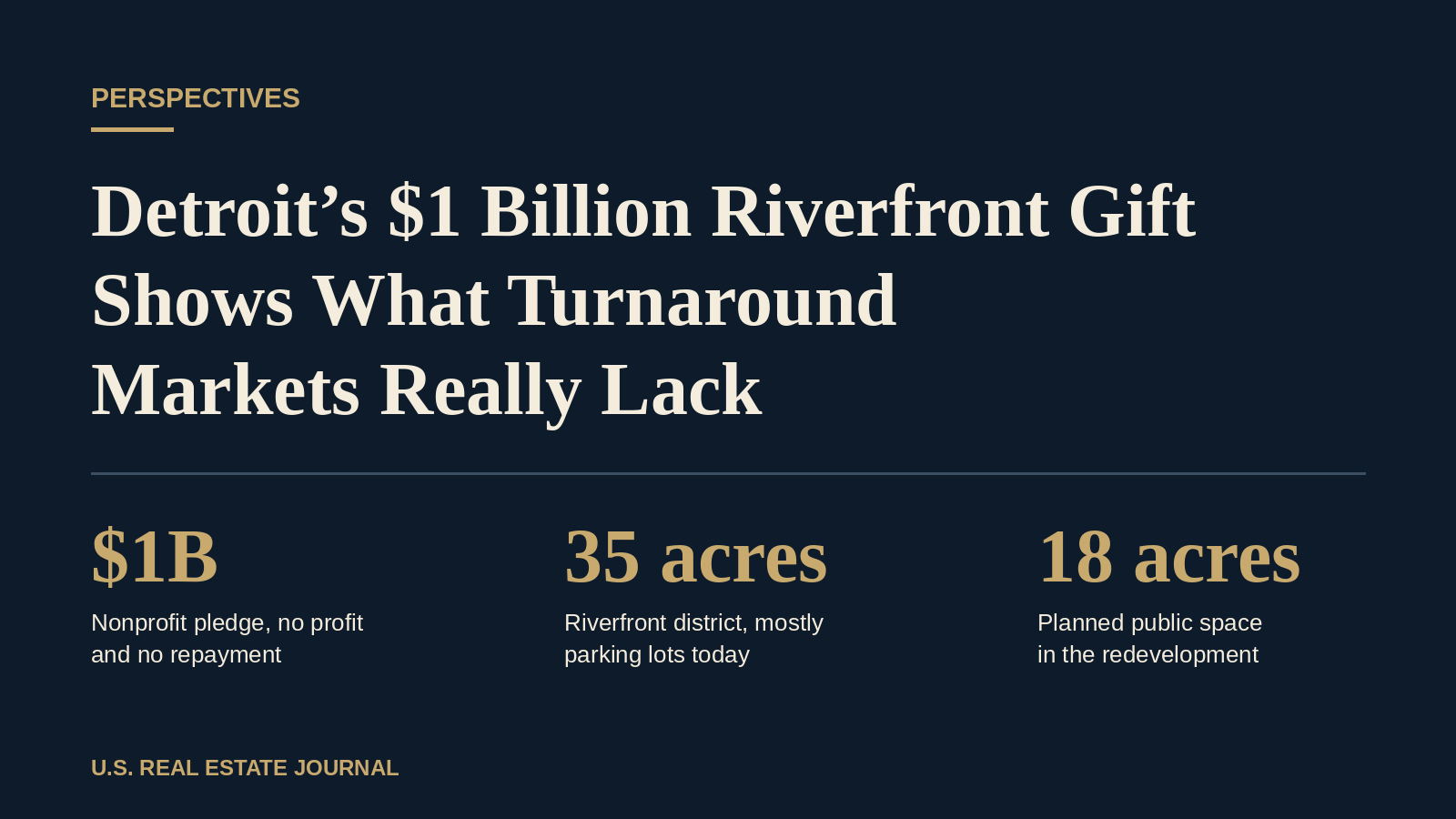
Detroit’s $1 Billion Riverfront Gift Shows What Turnaround Markets Really Lack
Dan Gilbert’s nonprofit pledge for the Renaissance Center and East Riverfront shows that in turnaround markets, the missing pieces are patient capital and public financing, not ideas.
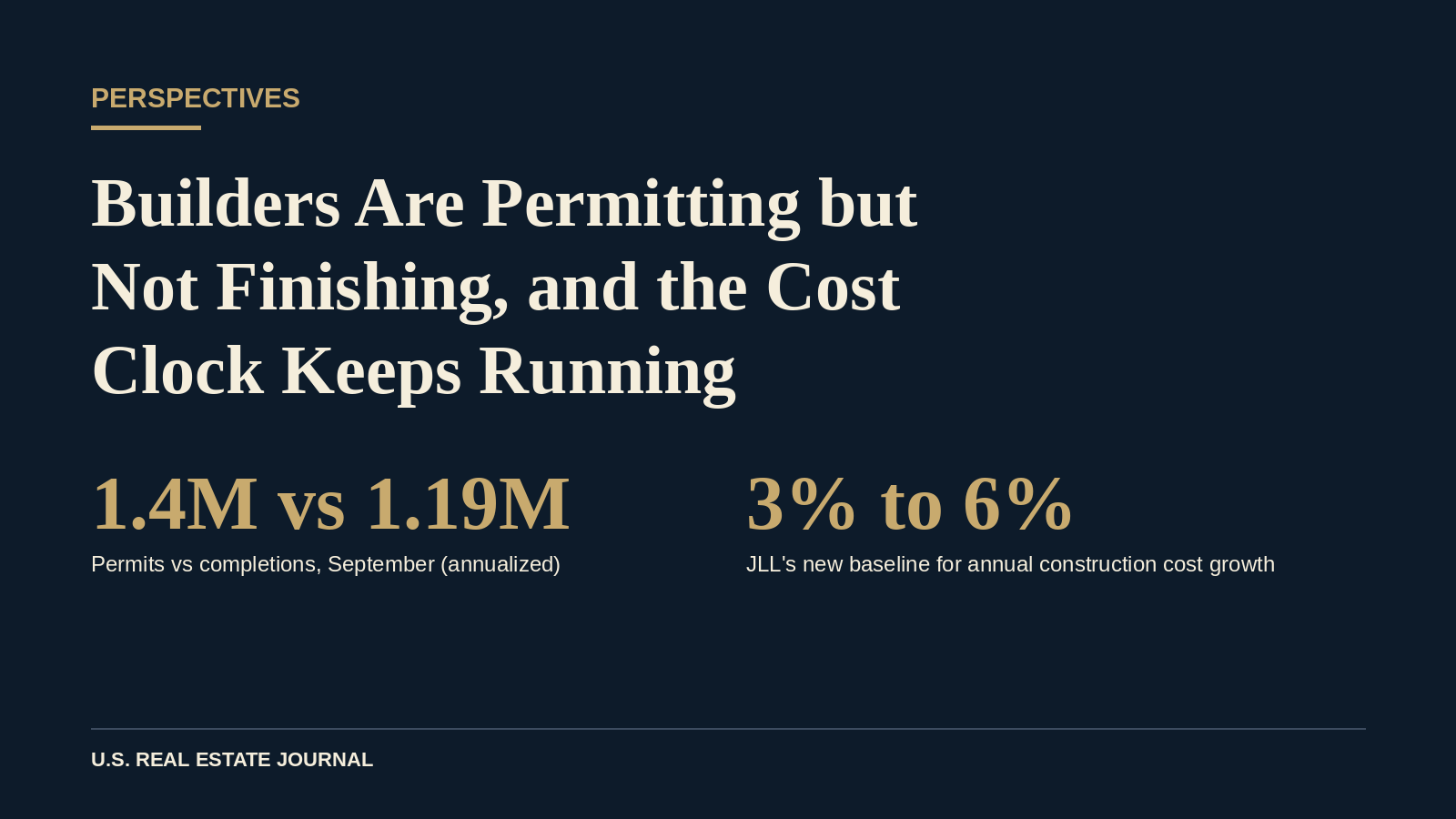
Builders Are Permitting but Not Finishing, and the Cost Clock Keeps Running
September data shows 1.4 million permits against 1.19 million completions, while JLL says 3% to 6% annual cost growth is the new baseline, which makes waiting for lower rates an expensive bet.
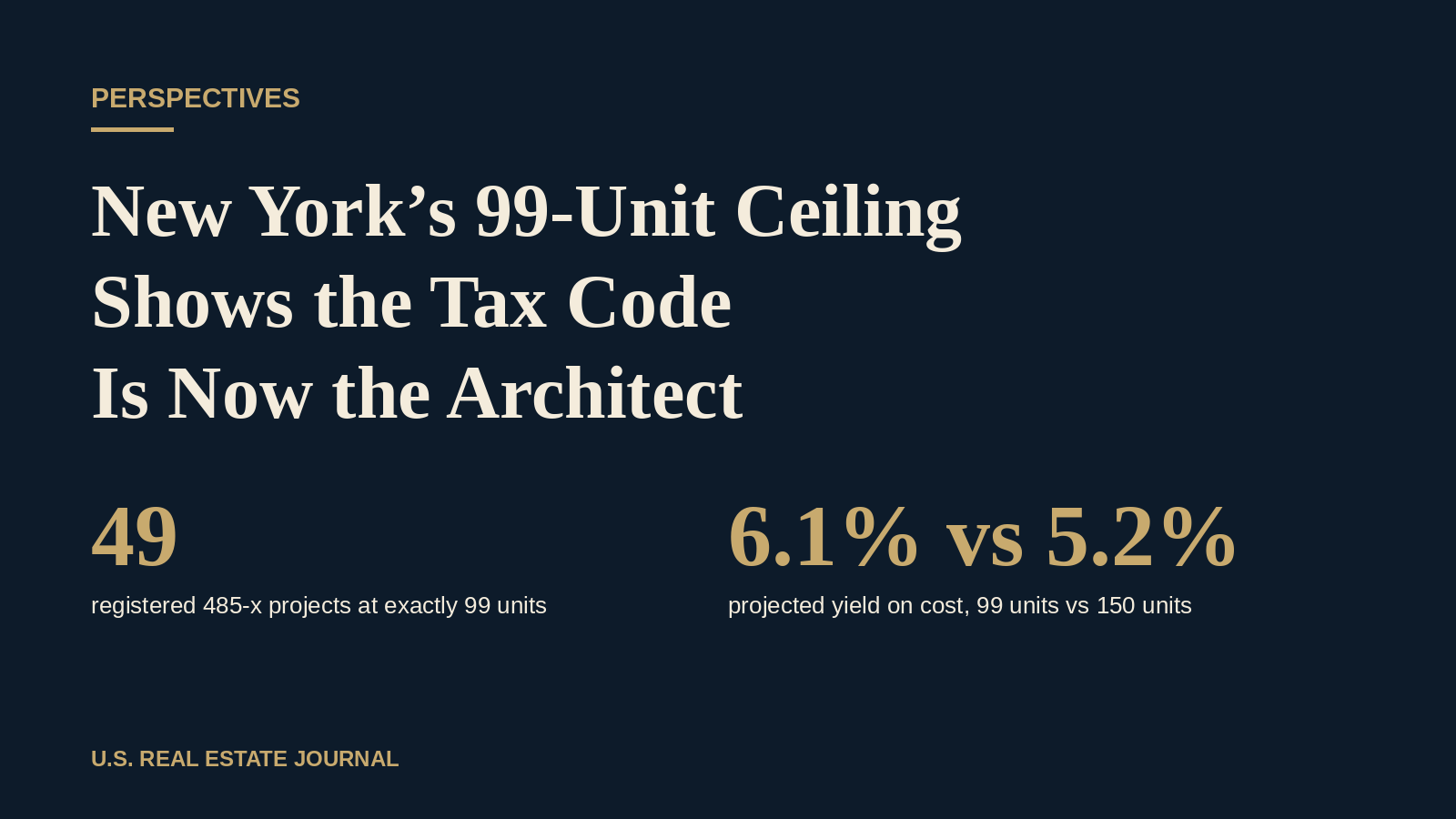
New York’s 99-Unit Ceiling Shows the Tax Code Is Now the Architect
New York’s latest 485-x filings show developers stopping one apartment short of stricter rules, and the math explains why the city keeps getting smaller buildings than its land can hold.
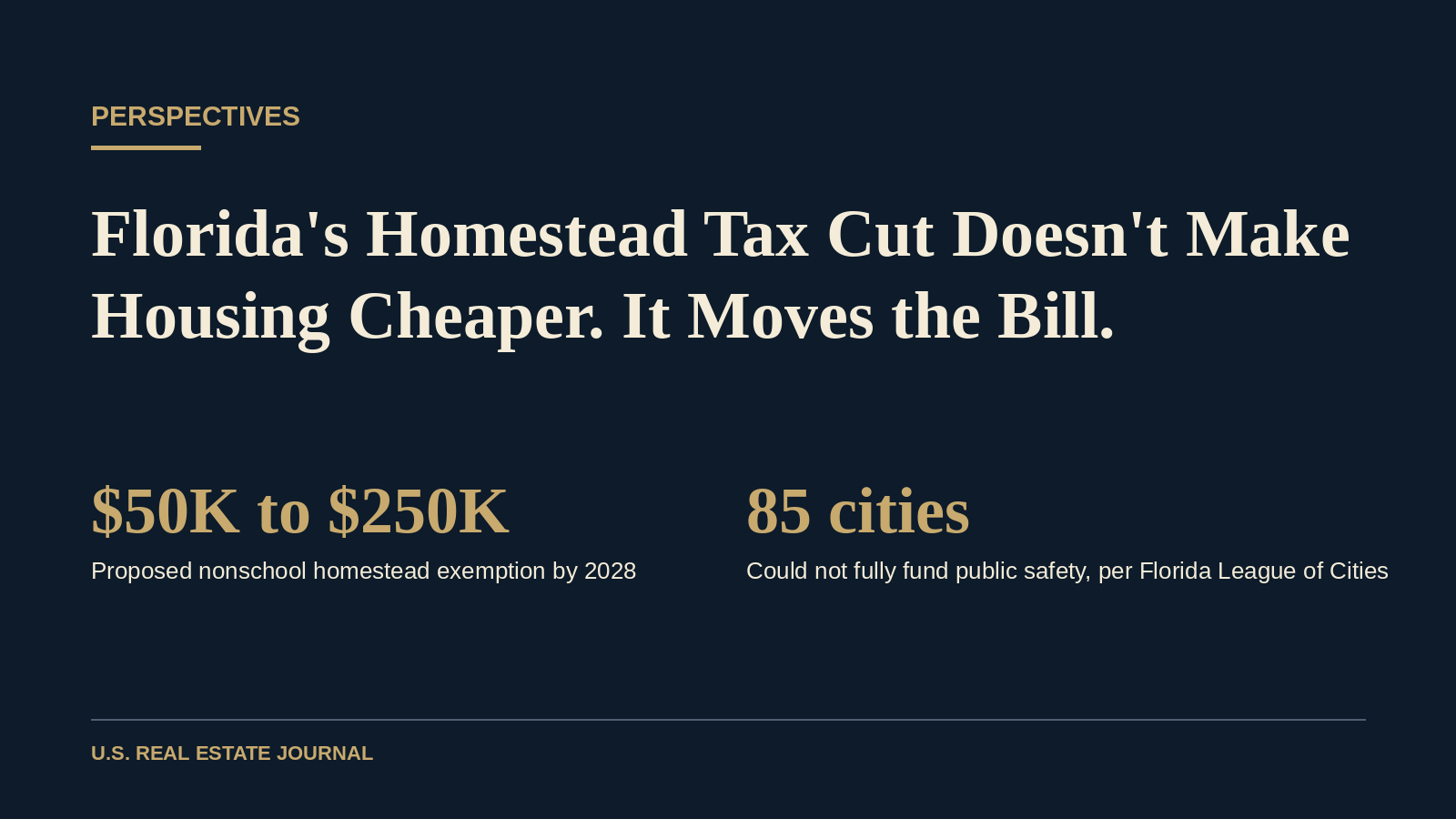
Florida’s Homestead Tax Cut Doesn’t Make Housing Cheaper, It Moves the Bill
Amendment 3 would cut bills for established Florida owners, but the cost lands on renters, newcomers, and local services in a state already losing its migration edge.
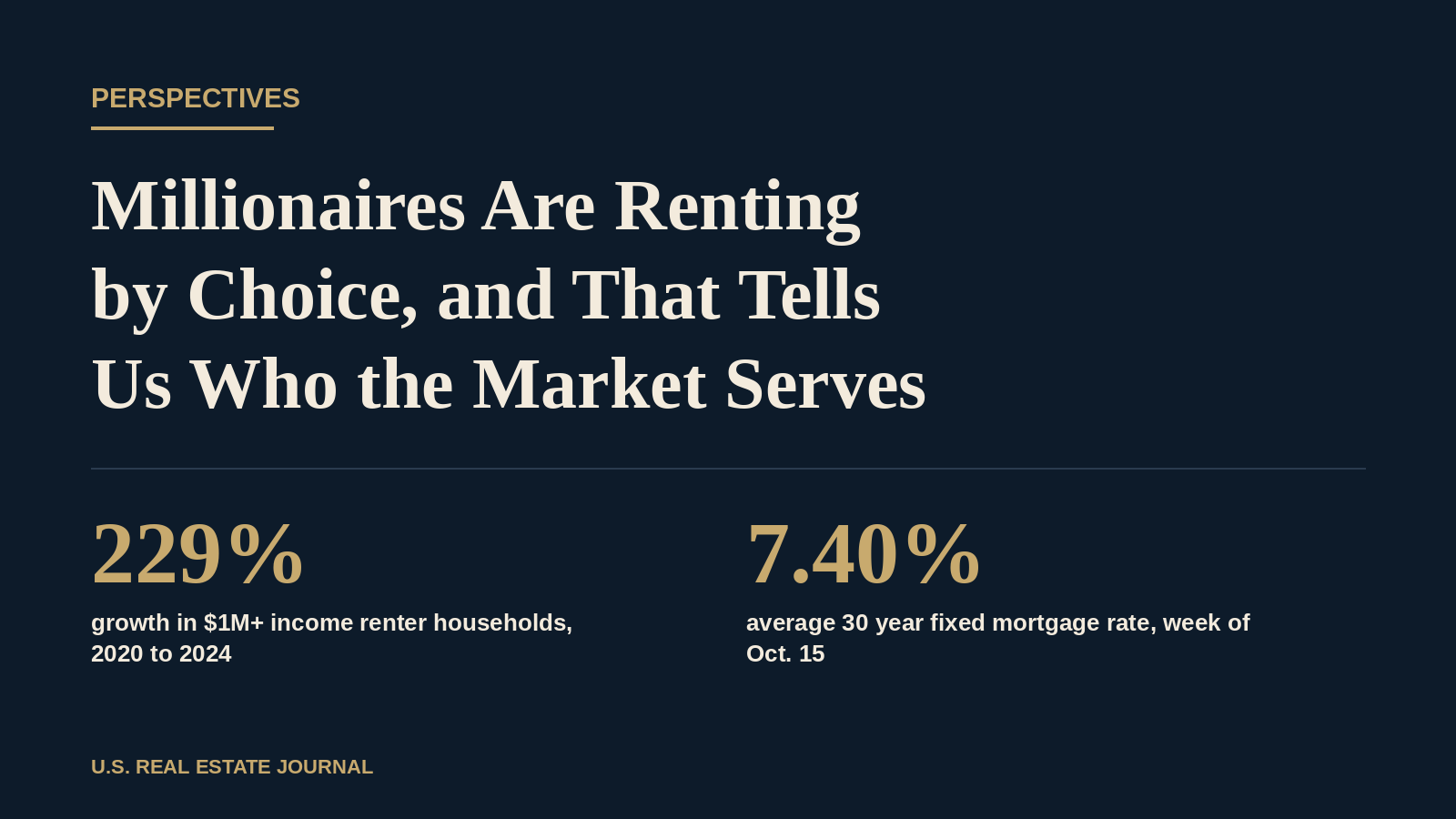
Millionaires Are Renting by Choice, and That Tells Us Who the Market Serves
RentCafe counts more than three times as many million dollar renter households as in 2020, a small group that explains a lot about optionality, capital, and a split housing market.
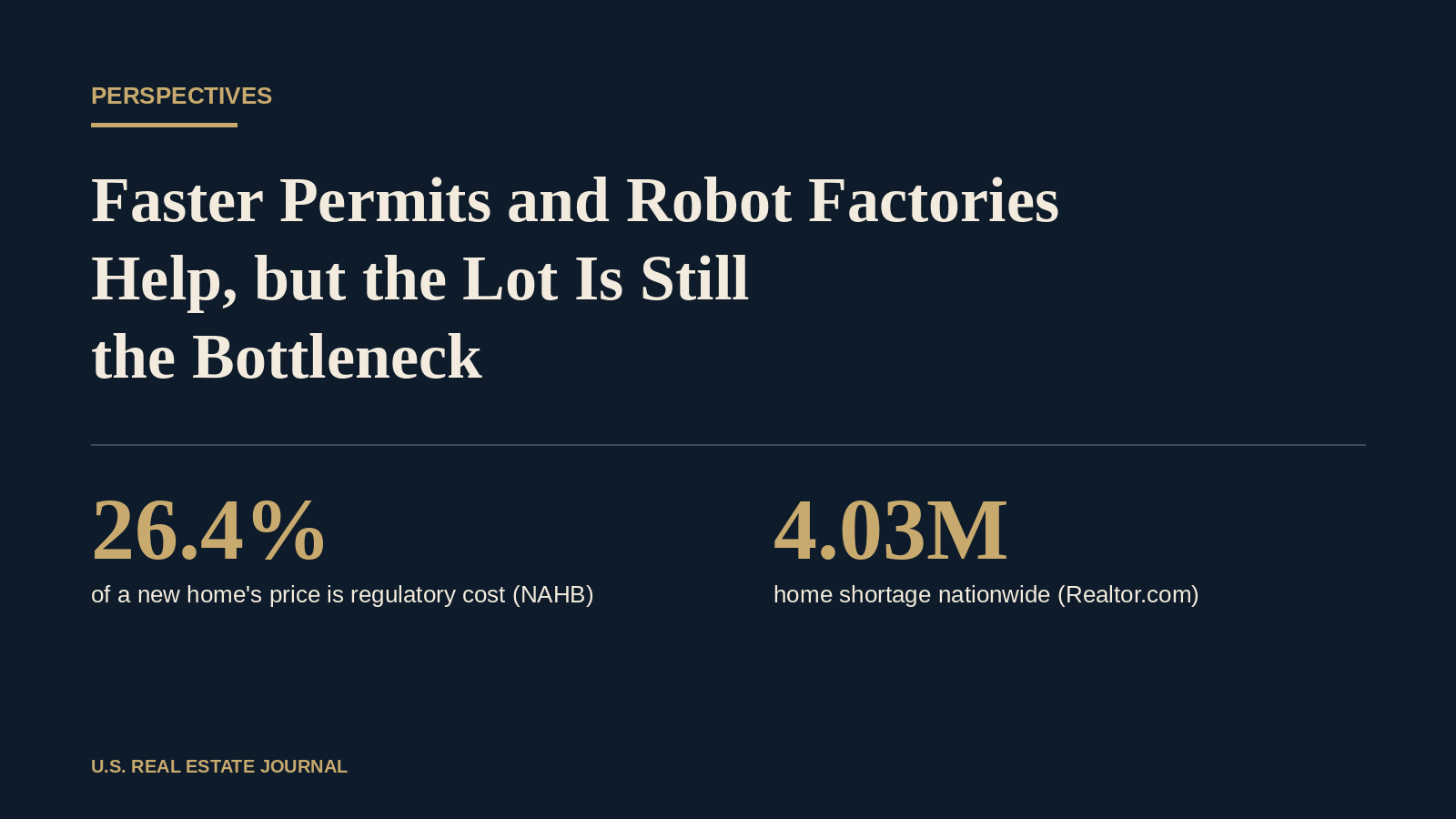
Faster Permits and Robot Factories Help, but the Lot Is Still the Bottleneck
Bloomberg's grants to 30 city halls and D.R. Horton's robotics deal each attack a real cost of building a home, and both leave the hardest one untouched.
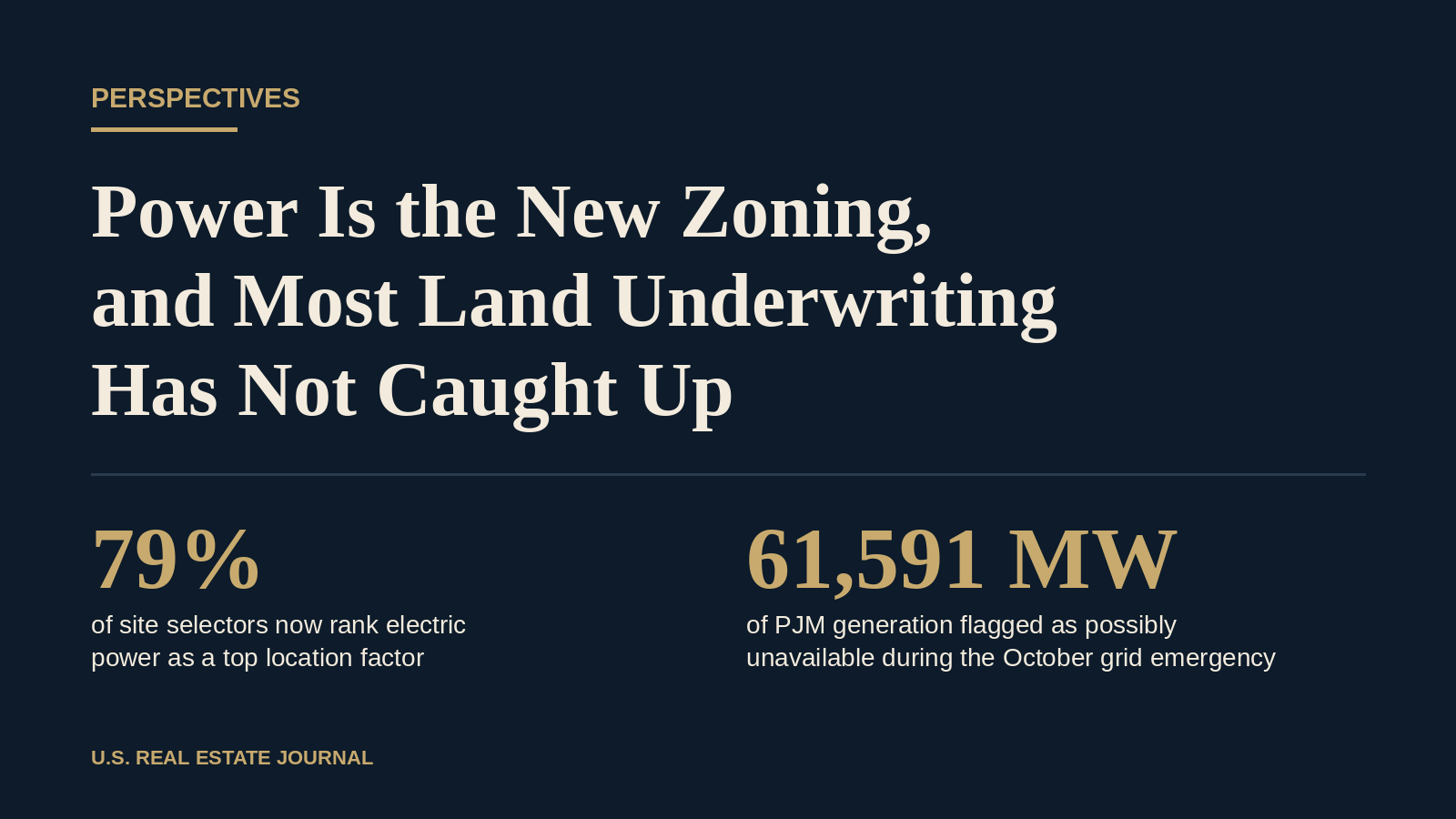
Power Is the New Zoning, and Most Land Underwriting Has Not Caught Up
Site selectors now rank electricity above labor, and a grid emergency covering 67 million people shows why the megawatt has become the scarcest input in land.
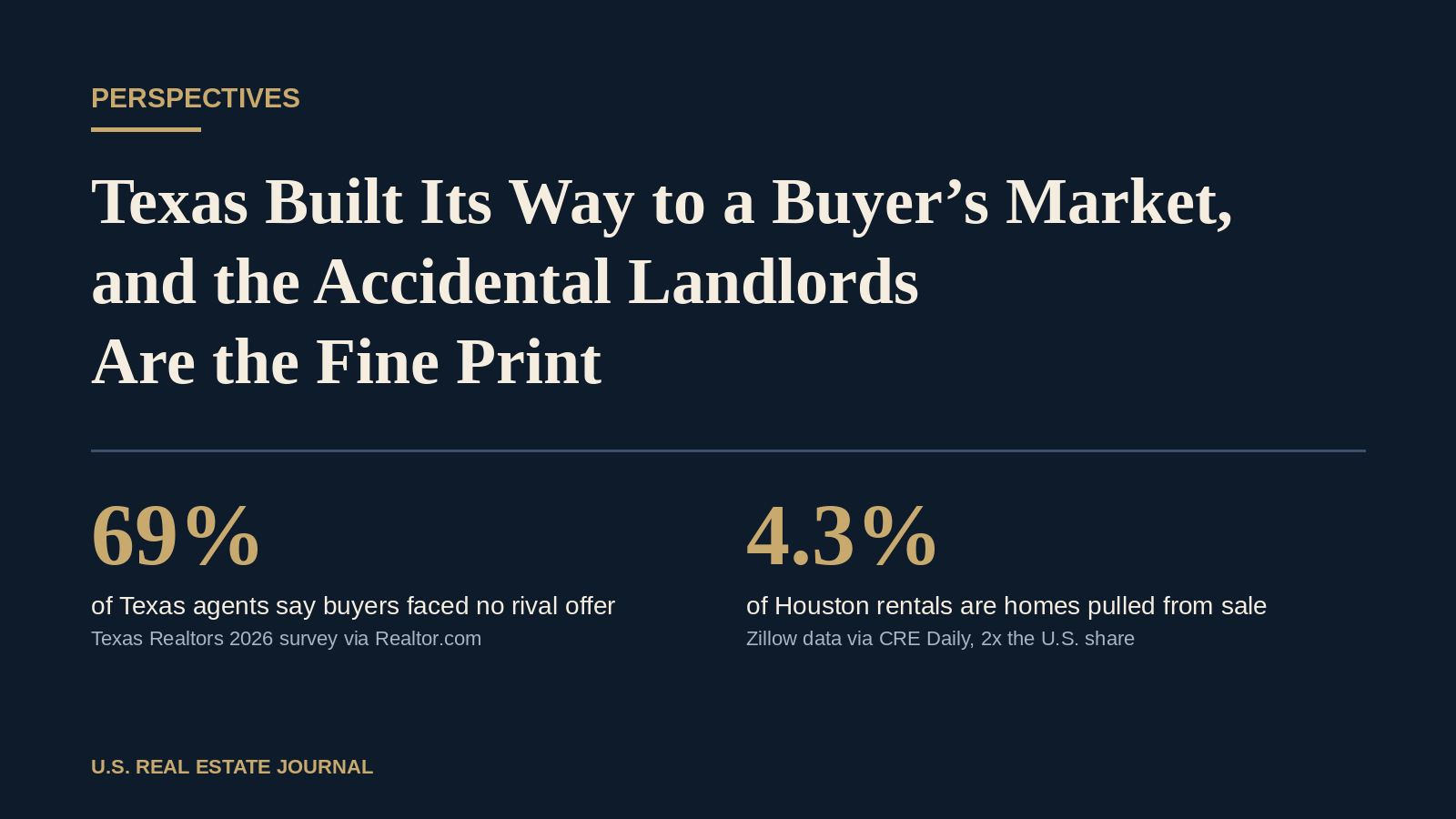
Texas Built Its Way to a Buyer’s Market, and the Accidental Landlords Are the Fine Print
Bidding wars have mostly vanished across Texas while Houston leads the nation in sellers turning landlord, a split that rewards supply and punishes the 2022 to 2024 buyer.

The Bridge Loan Bet Is on the Wrong Side of Higher for Longer
Green Street shows the CRE price recovery stalling as the 10-year holds above 5%, while owners keep rolling floating rate bridge debt and betting that rates blink first.
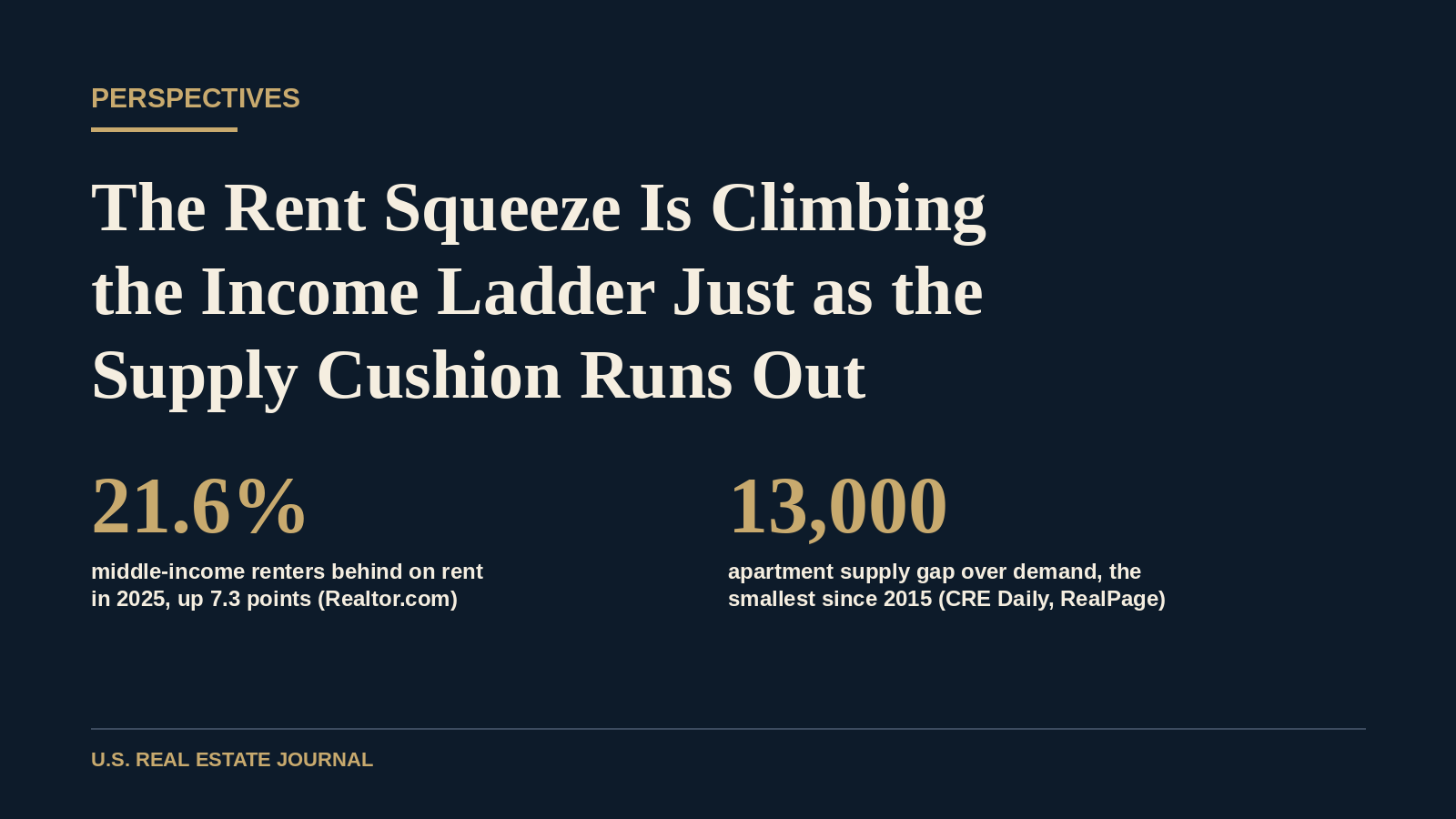
The Rent Squeeze Is Climbing the Income Ladder Just as the Supply Cushion Runs Out
Middle-income renters are falling behind even after three years of softer asking rents, and the apartment supply wave that made those rents possible is now fading.
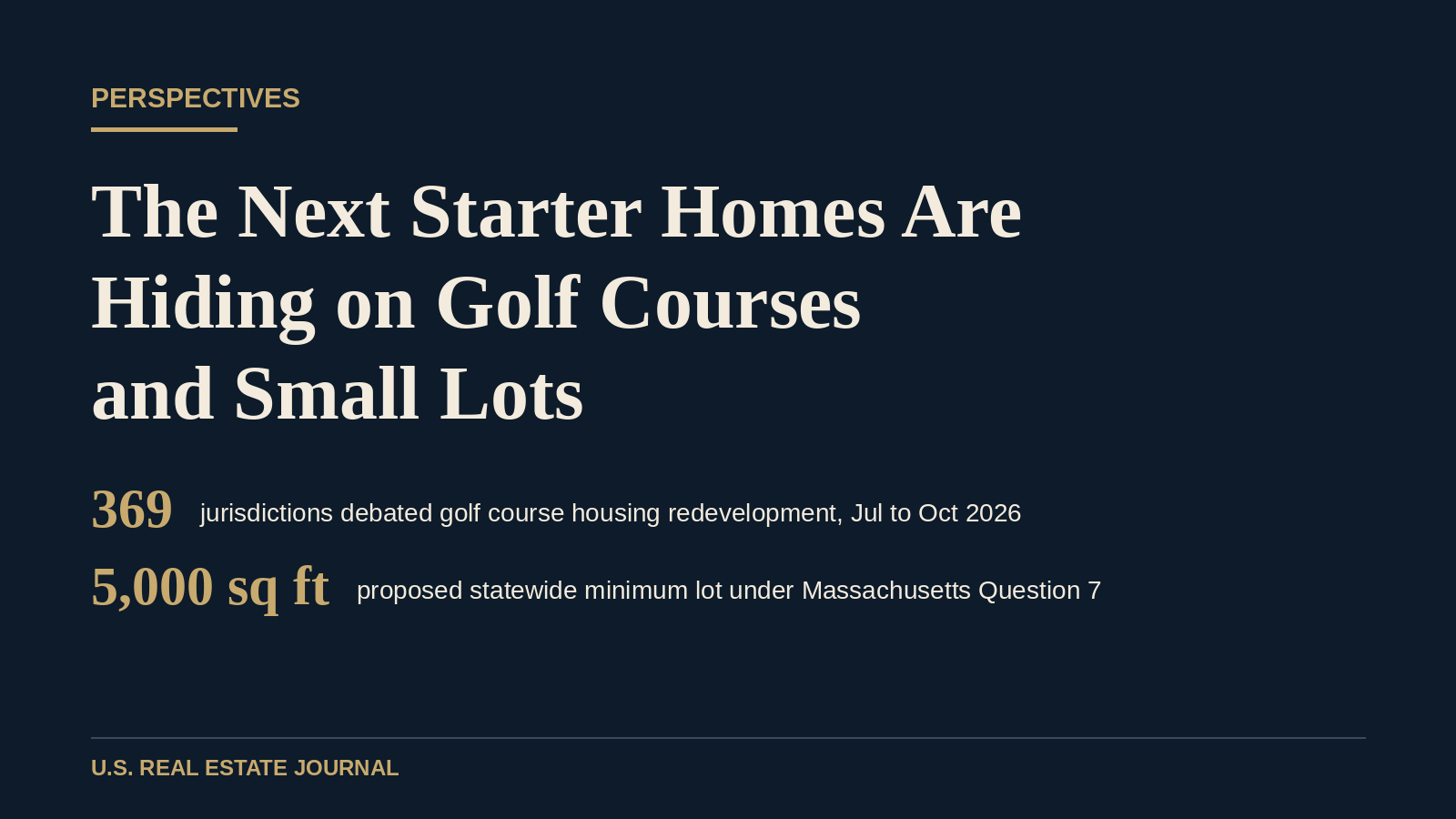
The Next Starter Homes Are Hiding on Golf Courses and Small Lots
A city golf course sale in Virginia Beach and a lot size ballot question in Massachusetts show that the housing shortage is a land and entitlement problem first.
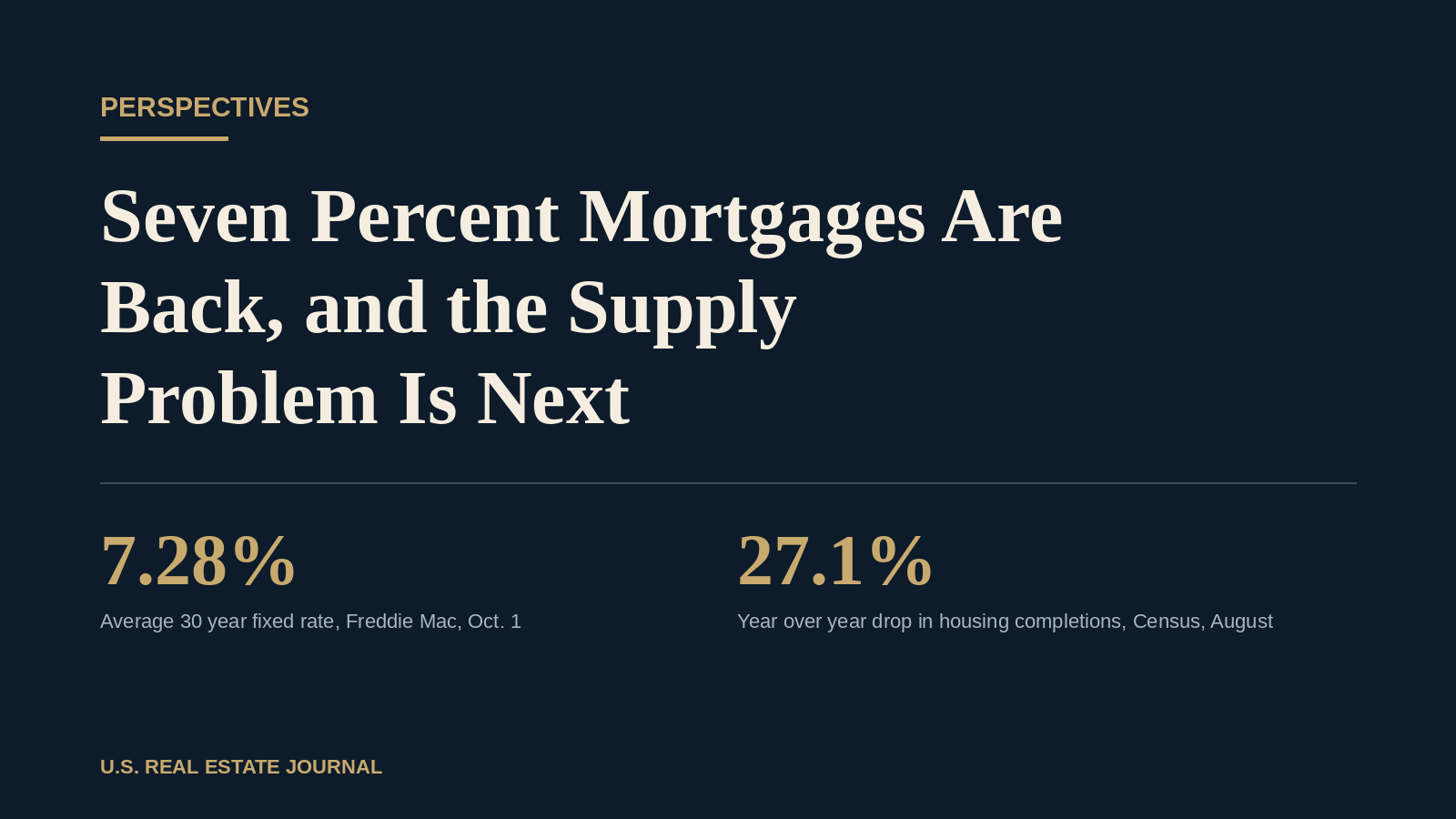
Seven Percent Mortgages Are Back, and the Supply Problem Is Next
A quarter point weekly jump in the 30-year rate is a buyer problem this fall, but the bigger cost of higher long rates is the housing that never gets financed.
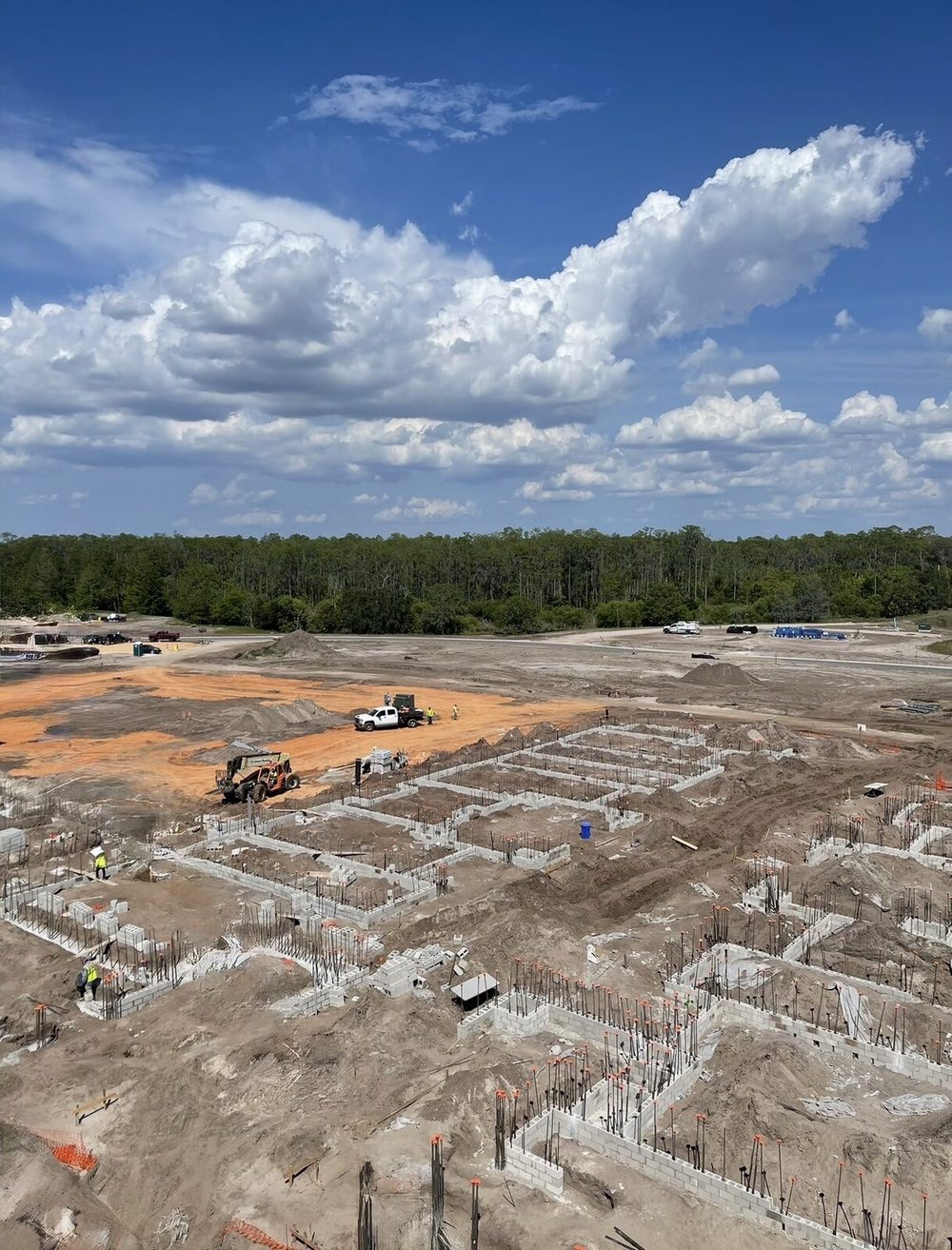
Why We’re Buying Land, Not Building, in This Part of the Cycle
Kaufman & Company’s President & CIO on why the platform is running its land pipeline harder than its construction pipeline right now, and what has to change before that flips back.
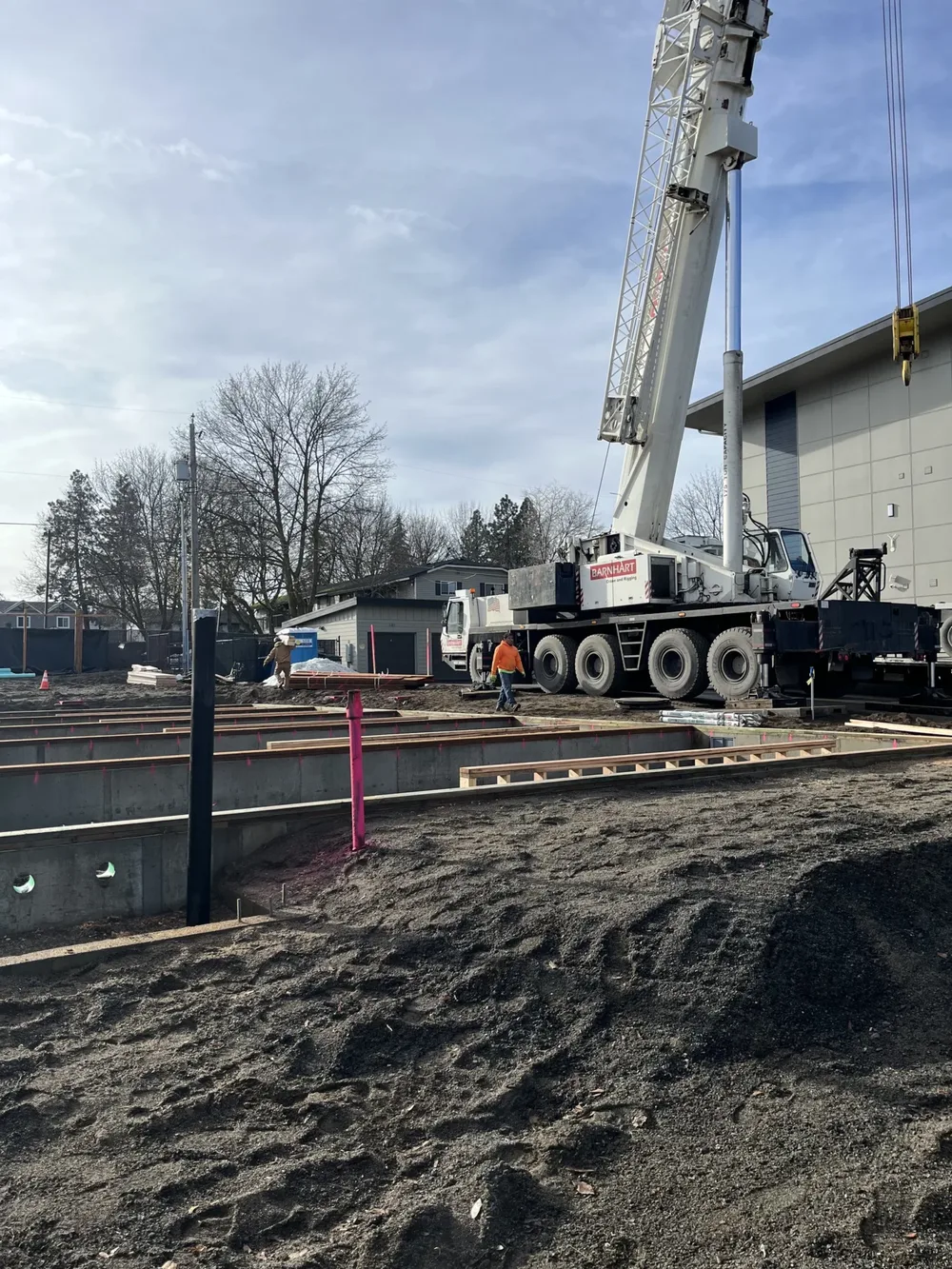
What Lean Six Sigma Taught Me About Modular Construction Timelines
Haven’s Susan Gillespie, a Lean Six Sigma Black Belt, on applying manufacturing-floor discipline to a modular housing schedule, and where most operators still let variance creep back in.
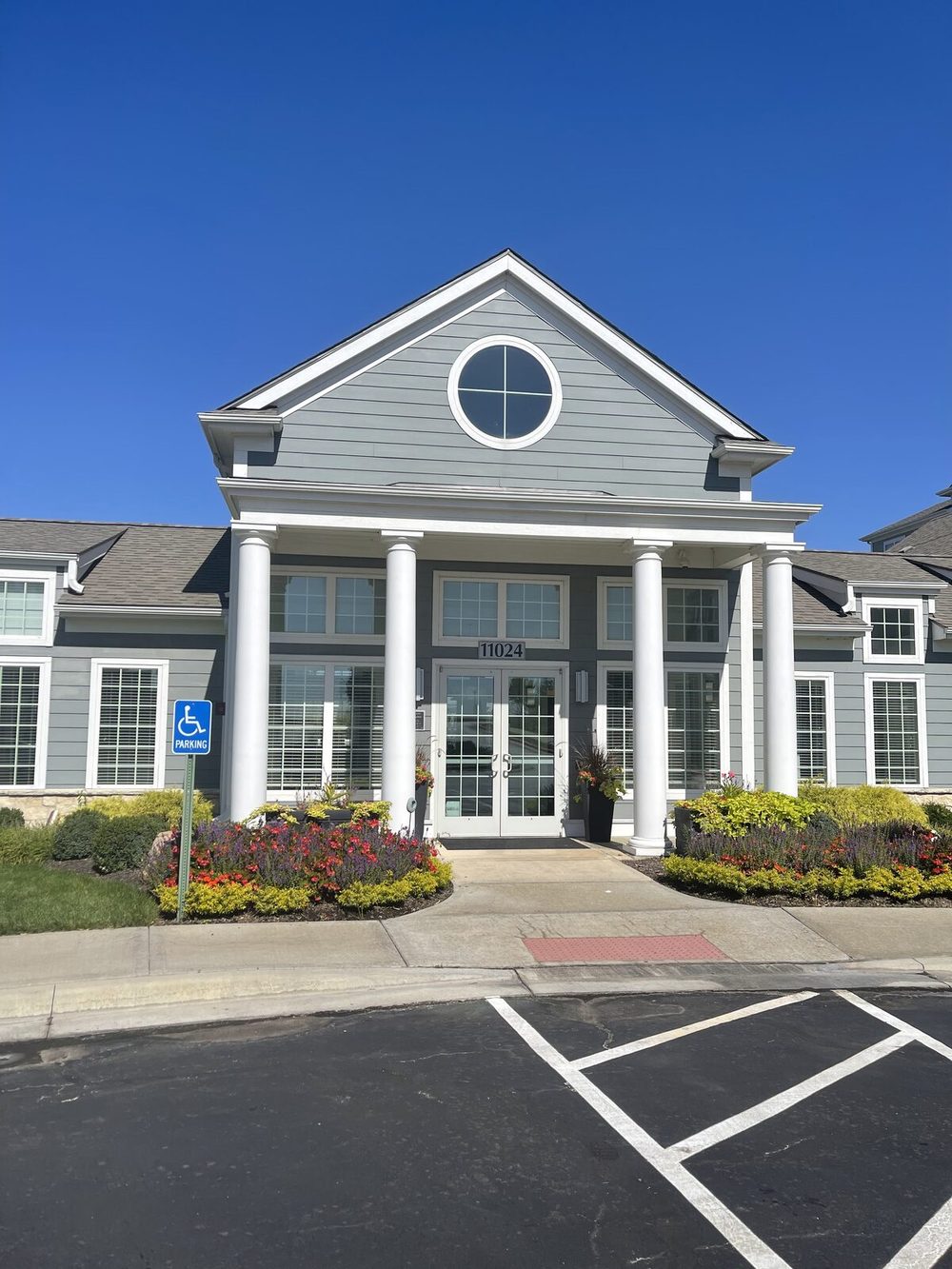
The Entitlement Process Is the Real Underwriting: What Kills Deals in Zoning
Kaufman & Company’s General Counsel on why the spreadsheet is the easy part, and the planning department is where most deals actually live or die.
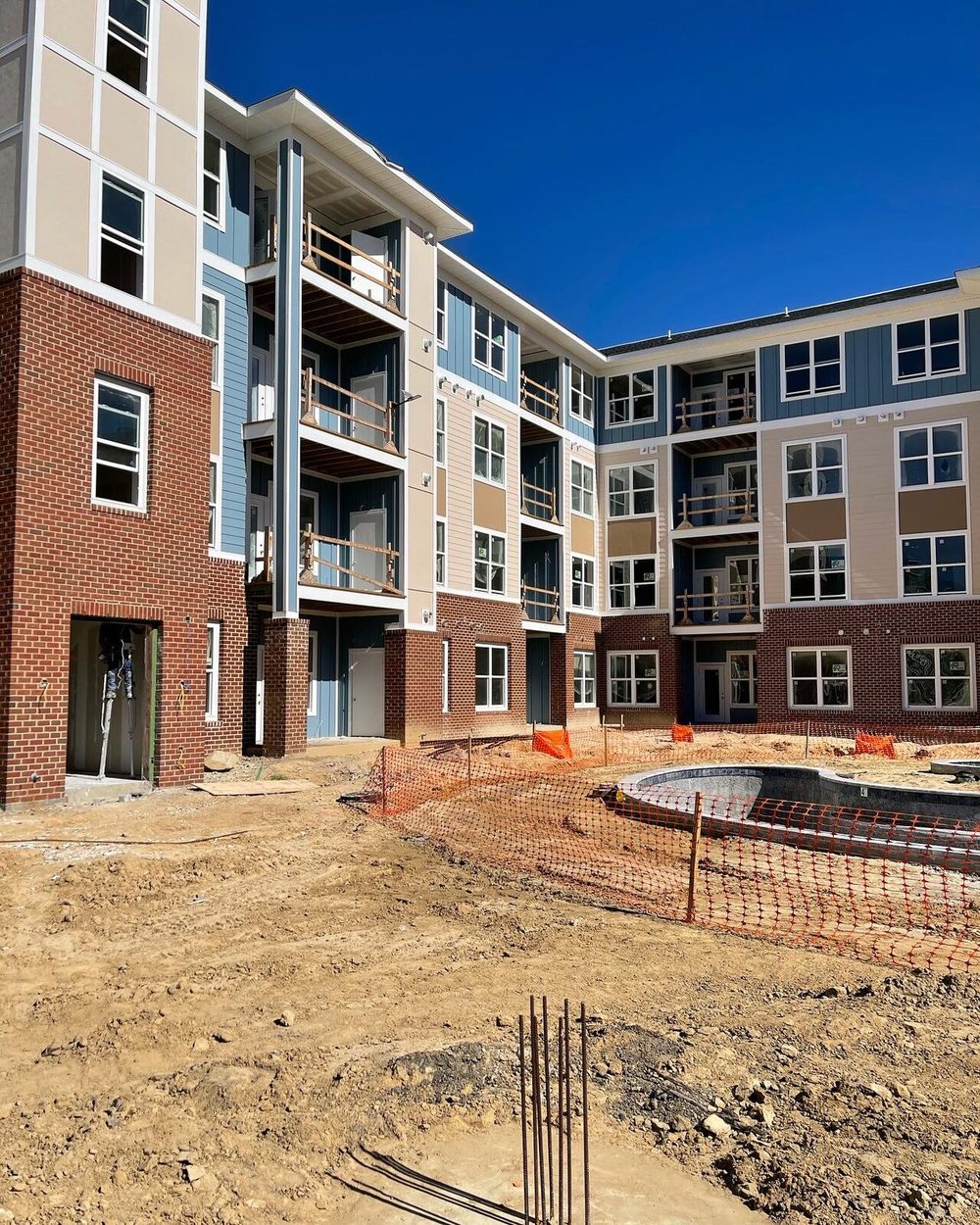
Private Credit Has Quietly Replaced the Regional Bank for Mid-Market Developers
Kaufman & Company’s CFO on a structural shift in construction and bridge financing that most sponsors under $50M in annual originations haven’t fully priced in yet.
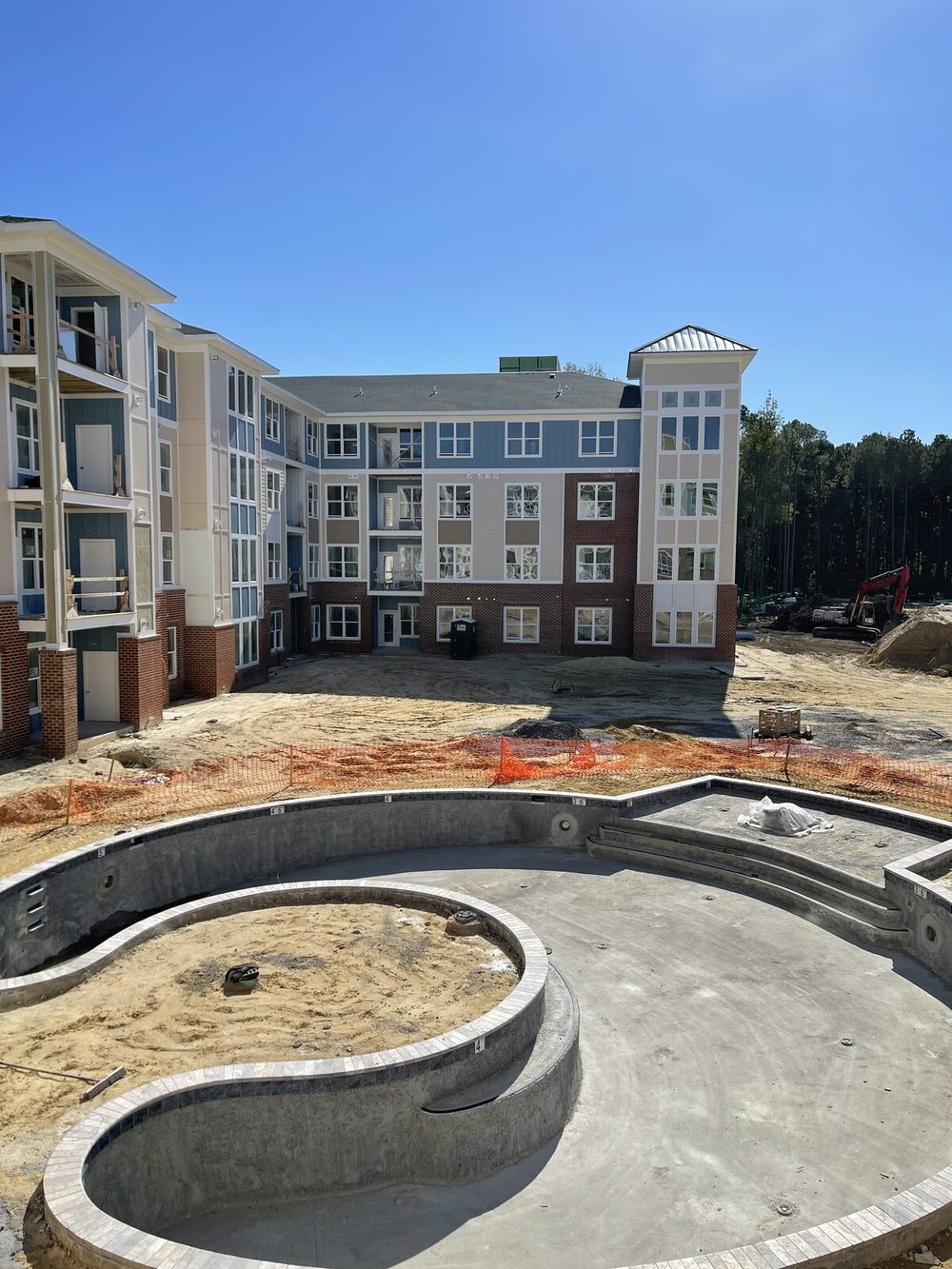
What Emergency Medicine Taught Me About Underwriting Workforce Housing
Haven’s John Milne, a practicing emergency physician, on the diagnostic discipline he brought from the ER into real estate, and why housing instability shows up in his patients before it shows up in any market report.
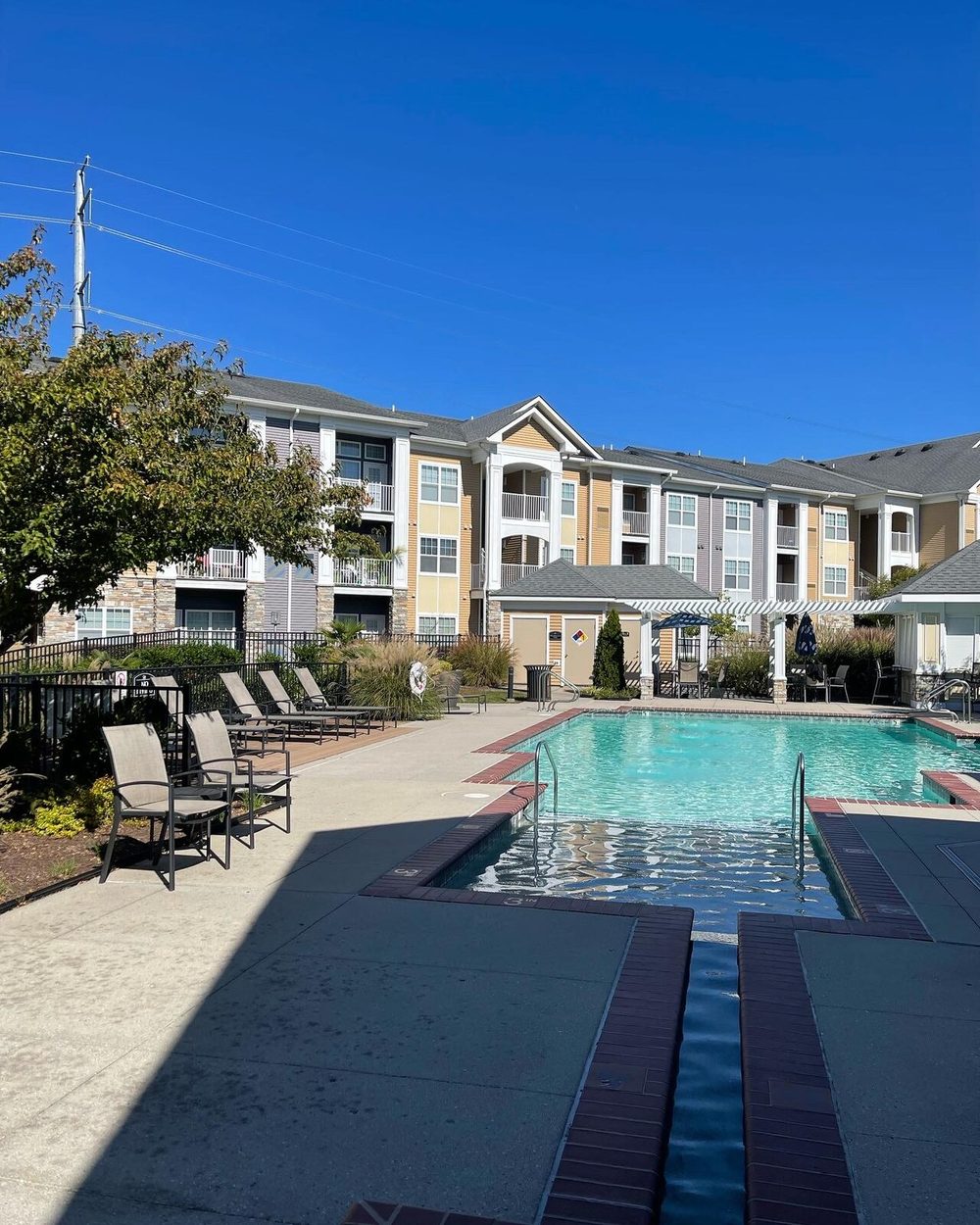
The Case for Fewer, Larger Positions: How We Think About Concentration Risk
Diversification is supposed to be free risk reduction. Kaufman & Company’s CIO argues that past a certain point, it just means owning more deals you understand less well.
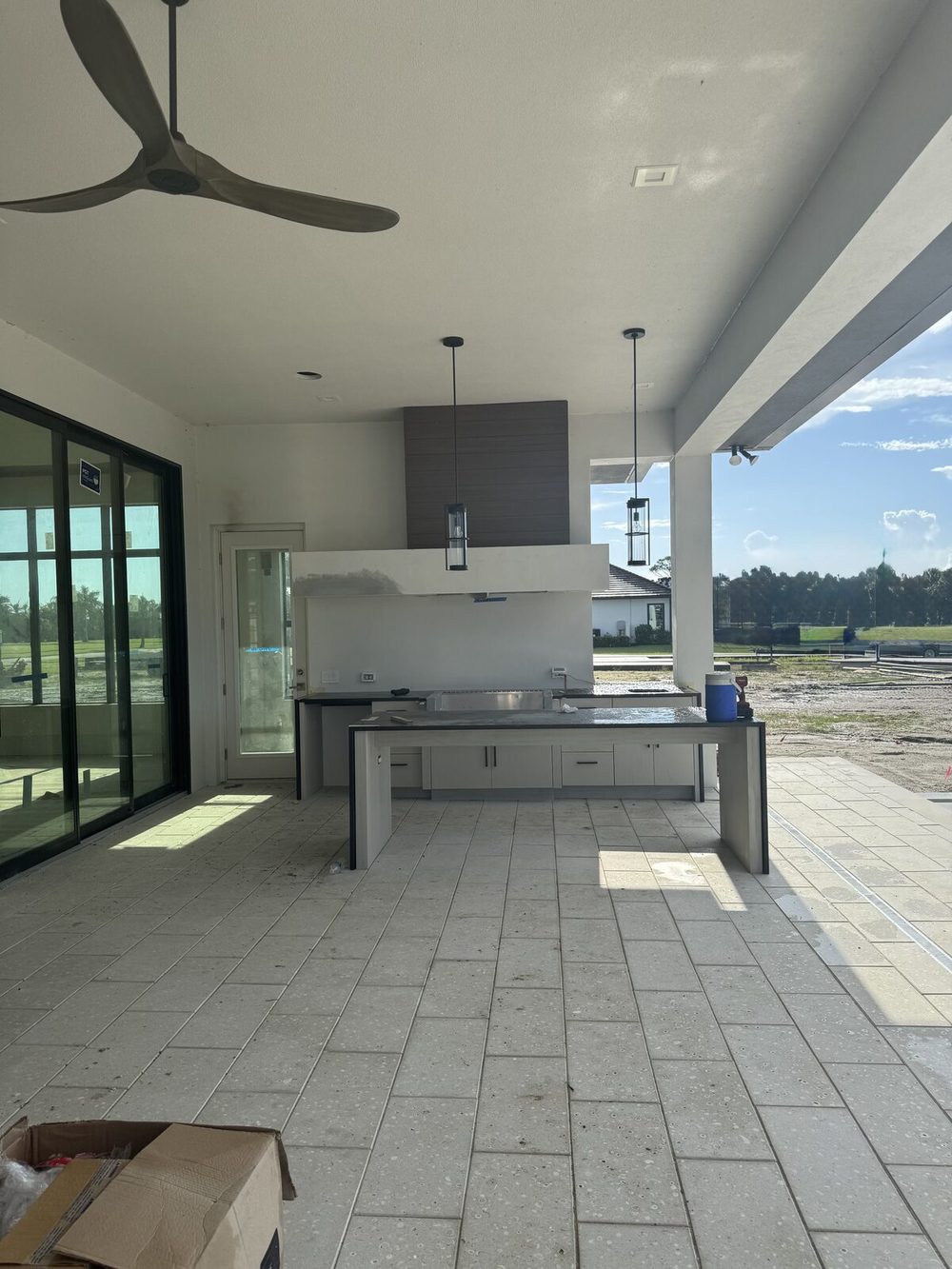
The Punch List Is Where Development Budgets Go to Die
Haven’s Susan Gillespie on why the final 5% of a project consumes far more than 5% of the budget and schedule, and the operational fix most teams skip.

Ground Leases Are Having a Moment, and Most Sponsors Don’t Understand Why
Kaufman & Company’s General Counsel on the structural reasons ground leases are reappearing in deals that wouldn’t have considered them five years ago.
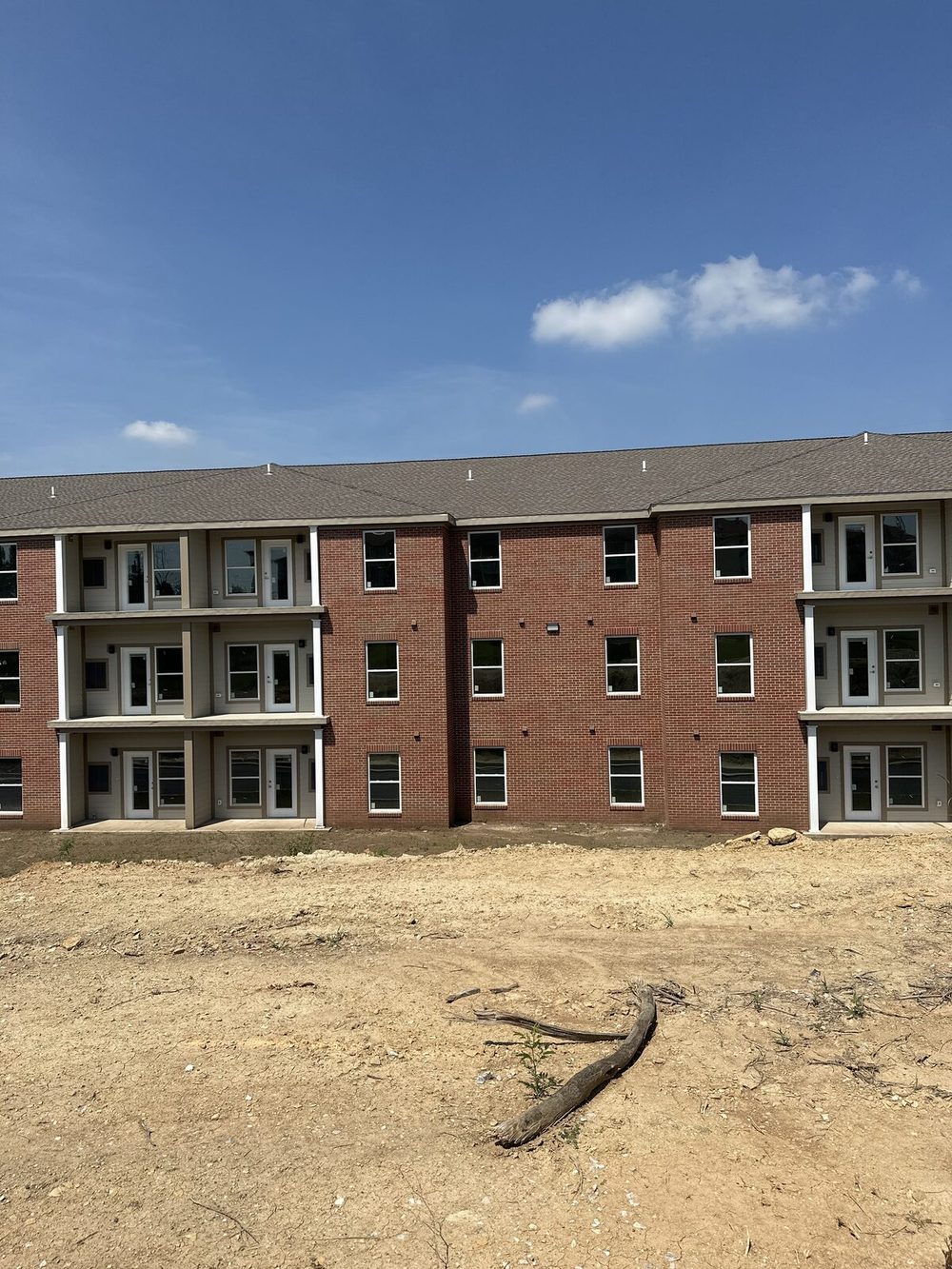
The Real Cost of Capital Isn’t the Rate, It’s the Covenant Package
Sponsors compare loans on rate and leverage. Kaufman & Company’s CFO argues the covenant package is where deals actually get made or broken.
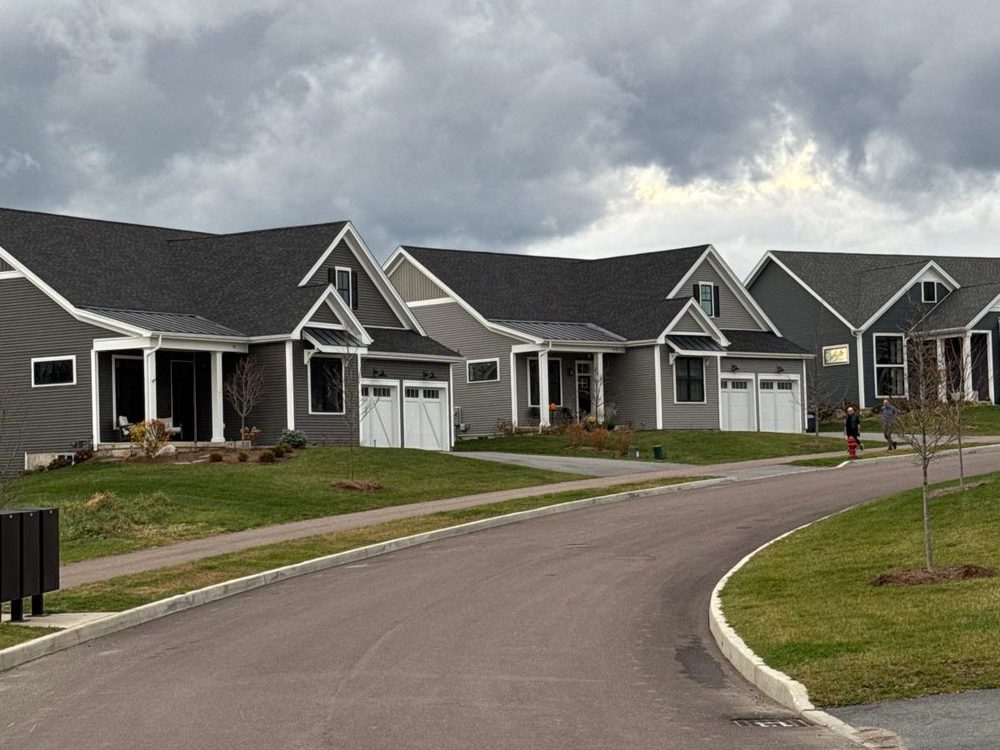
The “Missing Middle” Isn’t a Housing Type, It’s an Income Band, and We’re Building for the Wrong One
Haven’s John Milne argues the real estate industry has confused a physical typology with an economic definition, and that confusion is quietly worsening the workforce housing shortage it claims to be solving.
Daniel Kaufman’s own essays on real estate and capital markets, live from Substack and Medium. Full profile: Daniel Kaufman →
Loading essays…
Dan Ski & Build, Where the Mountain Meets the Job Site
Daniel Kaufman on mountain resort real estate, independent ski area economics, and housing shortages in ski towns.